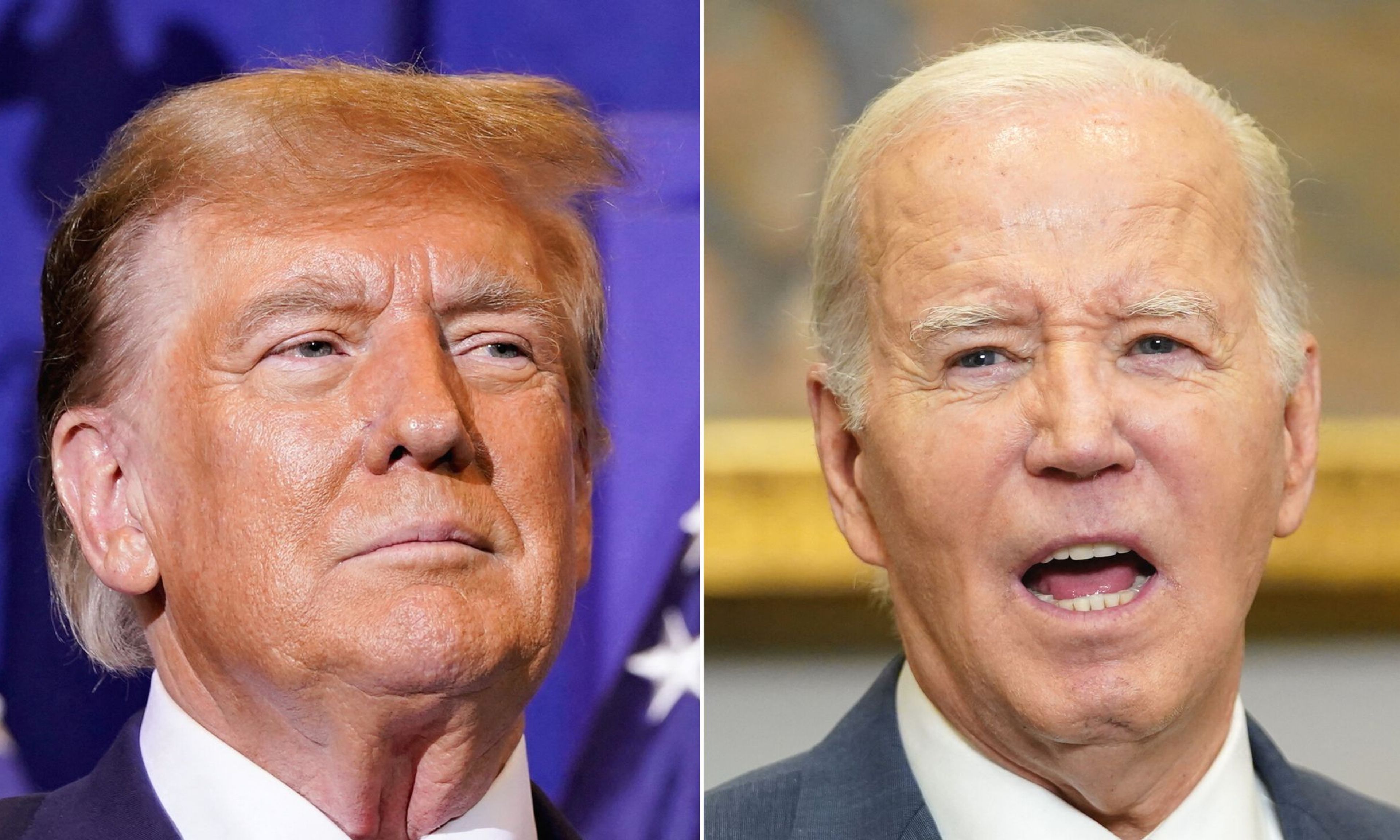
They say politics is the art of persuasion, but that assumes the existence of an audience open to being persuaded. With Republicans and Democrats alike preparing to embark on a presidential-election cycle fronted by two of the most well-defined and generally disliked candidates either party is capable of producing, the universe of genuinely persuadable swing voters is a small one. At what may be the earliest outset of the general-election campaign in living memory, both major political coalitions appear to recognize that. They and their allies are not tailoring their messages to either attract swing voters to their side or repel them from their opponents. They are focused on suppressing visible displays of dissent within their own ranks. In the process, both parties’ coalitions are telegraphing their intention to campaign for the White House by bitterly berating their own side as much as, if not more than, the opposition.
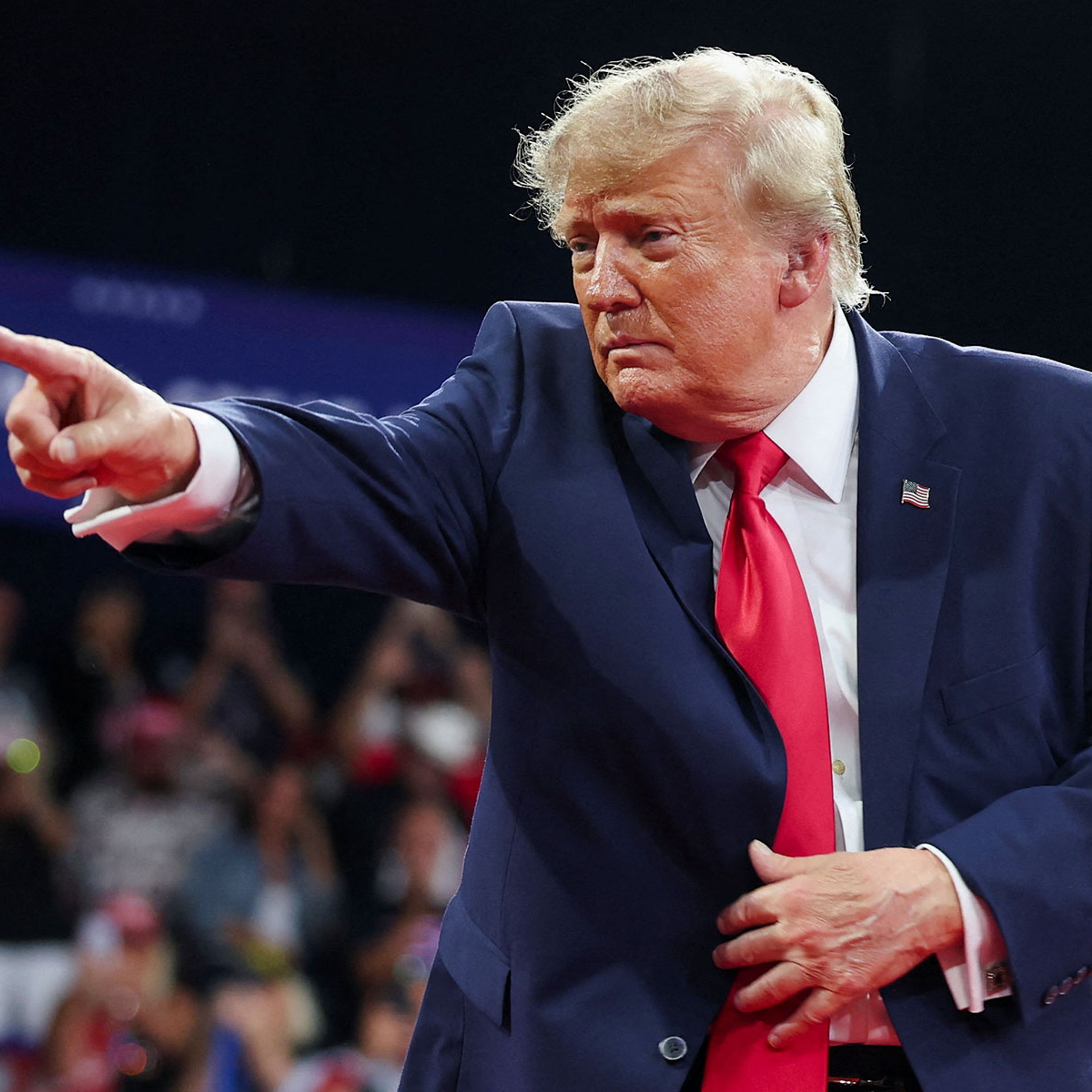
With Donald Trump’s re-nomination to the presidency appearing increasingly inevitable, some Republicans have begun to sound alarm bells — all too late, of course, and on the condition of anonymity — over signs that a sizable portion of the GOP electorate is unenthused by the prospect. Citing polling data and the unimpressive turnout for Iowa’s caucuses, lawmakers with an investment in the GOP’s success warned that potential GOP votes may not be convertible into actual GOP votes. The resources being diverted toward Trump’s legal-defense fund compound this condition. Over a billion dollars in unanswered Democratic ad spending will be devoted as much to building Joe Biden up as it is to depressing potential Republican voters. How do pro-Trump forces intend to address these suboptimal conditions? So far, the plan seems to be limited to scolding Trump skeptics within the Republican firmament until their morale improves.



Comments