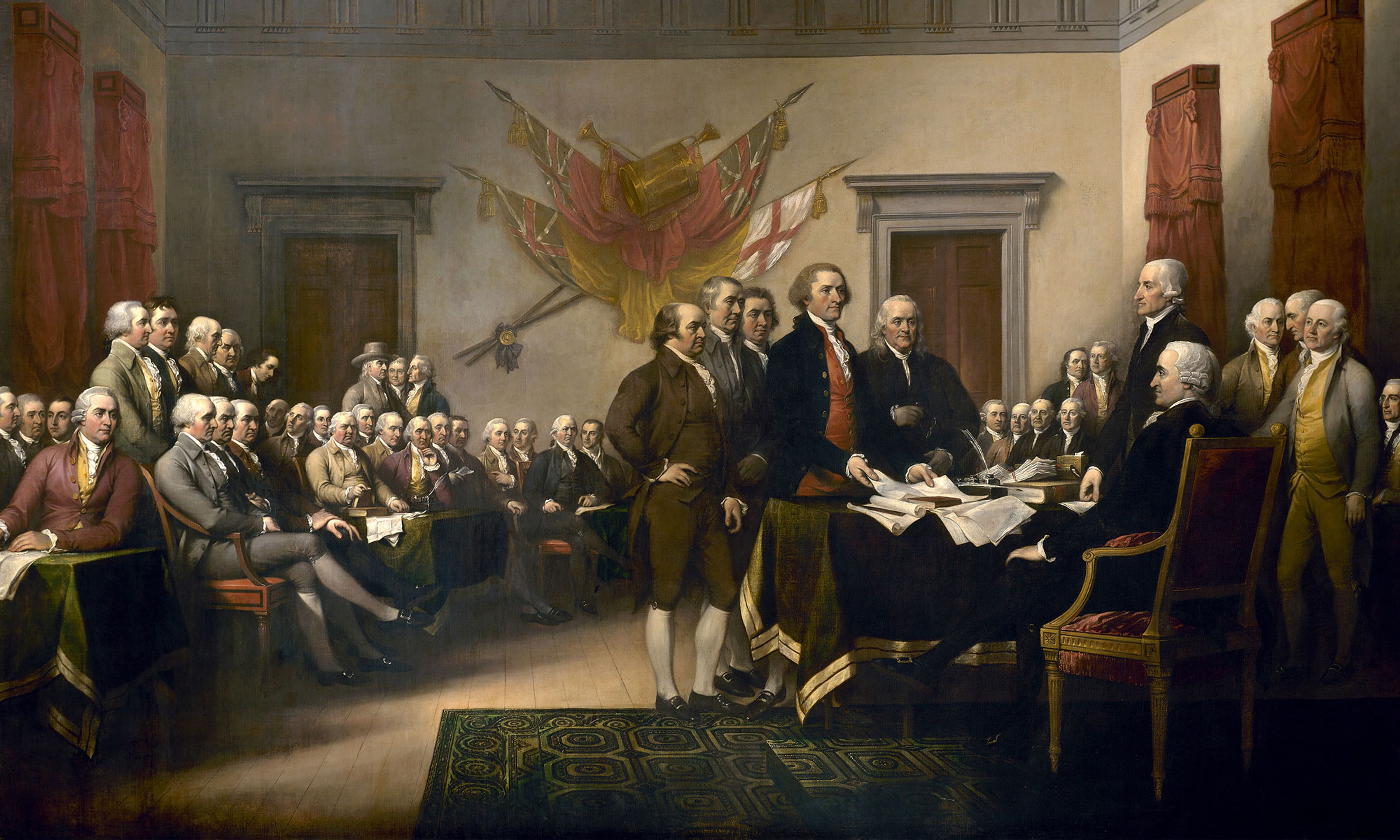
Large-scale republics don’t have the best track record of longevity. Governments have historically been run by kings, emperors, or other systems of absolute authority. Rome itself lasted less than 500 years before giving way to an empire. As America celebrates our 250th year of independence as the most successful and powerful modern republic, a worrisome question lingers in many of our minds — How long can America last as a liberal republic?
U.S. citizens and international observers alike have pondered this question time and again since the American Revolution ended. The American experiment has persevered against the fragility of the early republic, the threat of disunion through the Civil War, and the rise of 20th century totalitarianism and two world wars. Yet with each passing generation, the core principles of republican liberty have been maintained and even expanded — albeit imperfectly, and not without periods of regression. Despite the clouds of illiberalism forming in the early 21st century, we have good reason to keep our faith in the strength of the American republic, more so than any other that came before it. The uniqueness of our endurance stems not from a shared ethnicity, language, or ancestry, but rather from a shared creed first articulated in the Declaration of Independence.




Comments