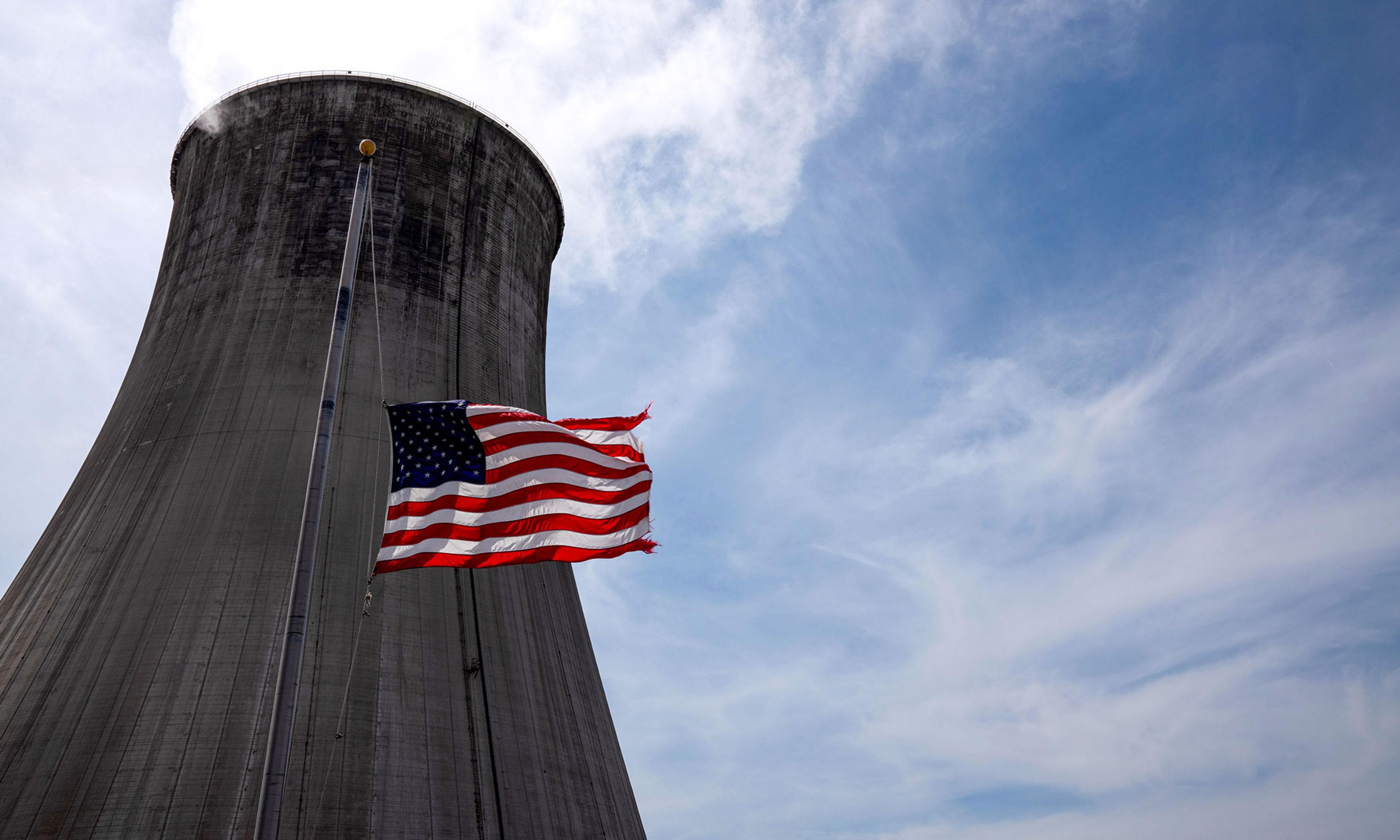
In last summer’s West Virginia v. EPA decision, the Supreme Court held that the EPA’s claims of vast new powers to reorganize America’s electricity sector raised a “major question,” requiring Congress to have spoken with much greater clarity than it had in an obscure provision of the Clean Air Act. The EPA’s proposed power-plant rule relies on the same provision, raising the same problem — and others besides.
Just as Obama’s Clean Power Plan did for coal plants, the EPA’s new rule mandates emission-reduction goals that will be virtually impossible for fossil-fuel power plants to attain. This time, the main targets are the natural-gas plants responsible for a 40 percent reduction in carbon emissions from America’s power sector since 2010. Many will shutter, and the remainder will pass the rule’s exorbitant compliance costs onto consumers.





Comments