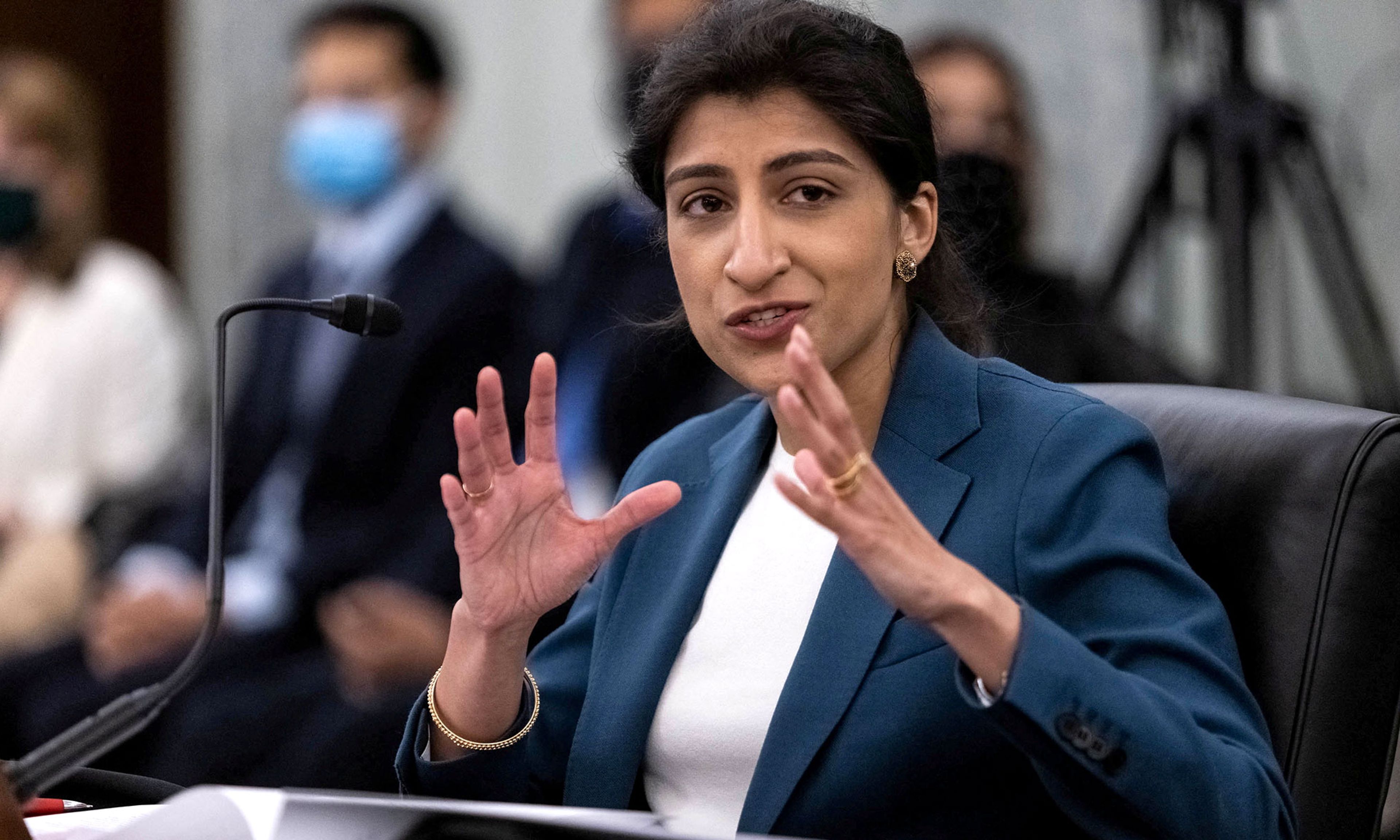
It is no secret that the Federal Trade Commission (FTC) under Chair Lina Khan has an expansive enforcement agenda and has brought previously unthinkable antitrust charges against Big Tech firms. Whether attempting to ban non-compete agreements, focusing on labor welfare in antitrust analysis, or seeking to advantage competitors over consumers, Khan’s FTC has proceeded based on novel and untested theories of harm. While the agency’s competition enforcement soaks up much of the attention, recently it has attempted to use its consumer-protection authority to police “disparate impact,” i.e., discrimination and racial equity. The idea of disparate-impact enforcement is in itself controversial, but it is clear that the agency’s conduct continues to step well outside its legal authority, all the while attempting to broaden its jurisdiction covertly and outside of oversight.
Although the legality and efficacy of the FTC’s antitrust agenda has been widely debated, this new foray into disparate-impact enforcement is especially concerning. There is no clear basis for expanding the agency’s consumer-protection authority. Policing alleged racial bias is not something the FTC is equipped to, and numerous other agencies, including the courts, already have such a mandate. A politically charged priority like this one would further erode the FTC’s non-partisan credentials at a time when faith in the impartiality of the federal bureaucracy generally, and the FTC particularly, is faltering.




Comments