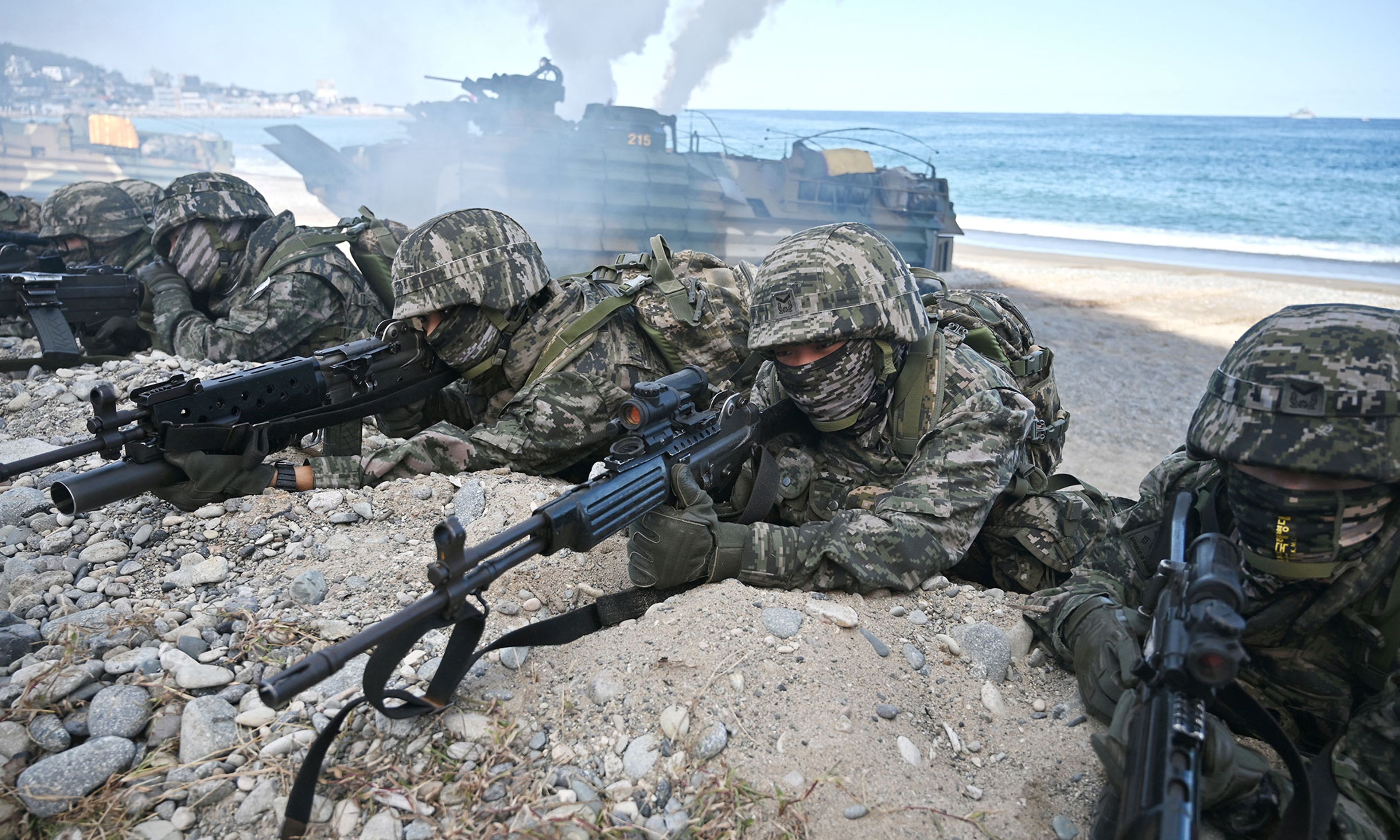
The world is currently mired in nuclear-induced instability in the Middle East. Yet an even greater nuclear shock looms in the Pacific if the U.S. is not careful. South Korea and Japan have both expressed concern that the Iran war has pulled U.S. military forces away from their defense. Questions abound in both countries about the credibility of Washington’s security commitment. Unless the U.S. adjusts its diplomatic and military posture in the war’s aftermath, the spread of nuclear weapons in East Asia is a real possibility.
To be sure, the ongoing military campaign in Iran could strengthen the barrier to nuclear proliferation. America’s last four presidents all committed to taking action should the ayatollahs stand poised to cross the nuclear finish line. After years of uncertainty, Donald Trump has upheld that commitment by degrading Iran’s nuclear infrastructure and missile arsenal — and for good reason.





Comments