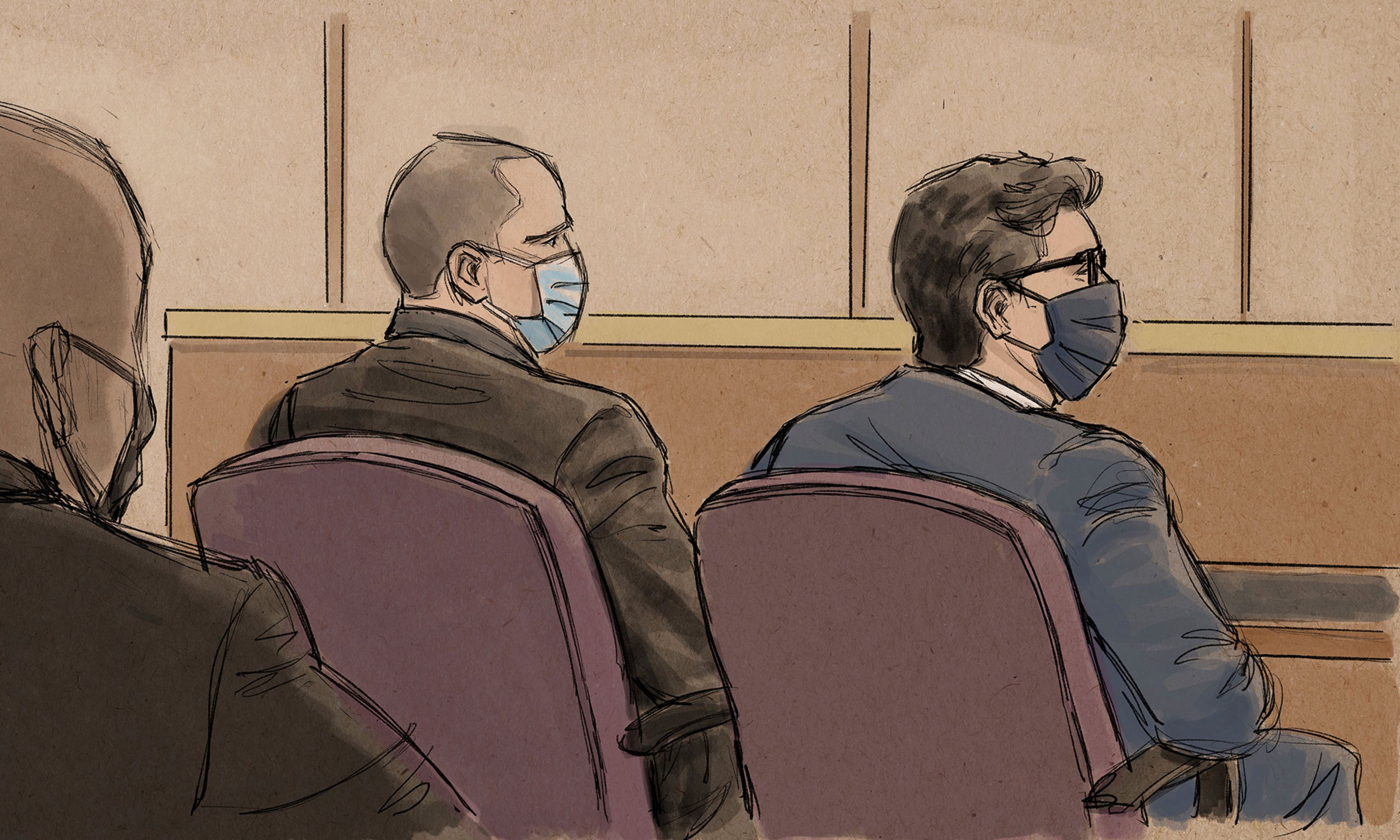
The death of George Floyd has receded from the news, but the legal wrangling continues. With the trial set for March, prosecutors and defense attorneys have been bickering about plenty of second-tier details: whether the officers involved should be tried together or separately, whether certain prosecutors should be taken off the case, whether the trial should be moved to another location, and so on. They have also offered a preview of the major points that will come up at trial — especially in a defense memo arguing that the charges against Derek Chauvin should be dismissed and the state’s response.
Easily the most controversial theory the defense has offered is that Floyd died of a drug overdose: i.e., that the fentanyl in his system and his preexisting health problems, not the police officer kneeling on him as he lost consciousness, ended his life. It is a theory that circulated widely even before it formally became part of the officers’ defense, for example in an American Spectator piece by the former prosecutor George Parry.

Comments