
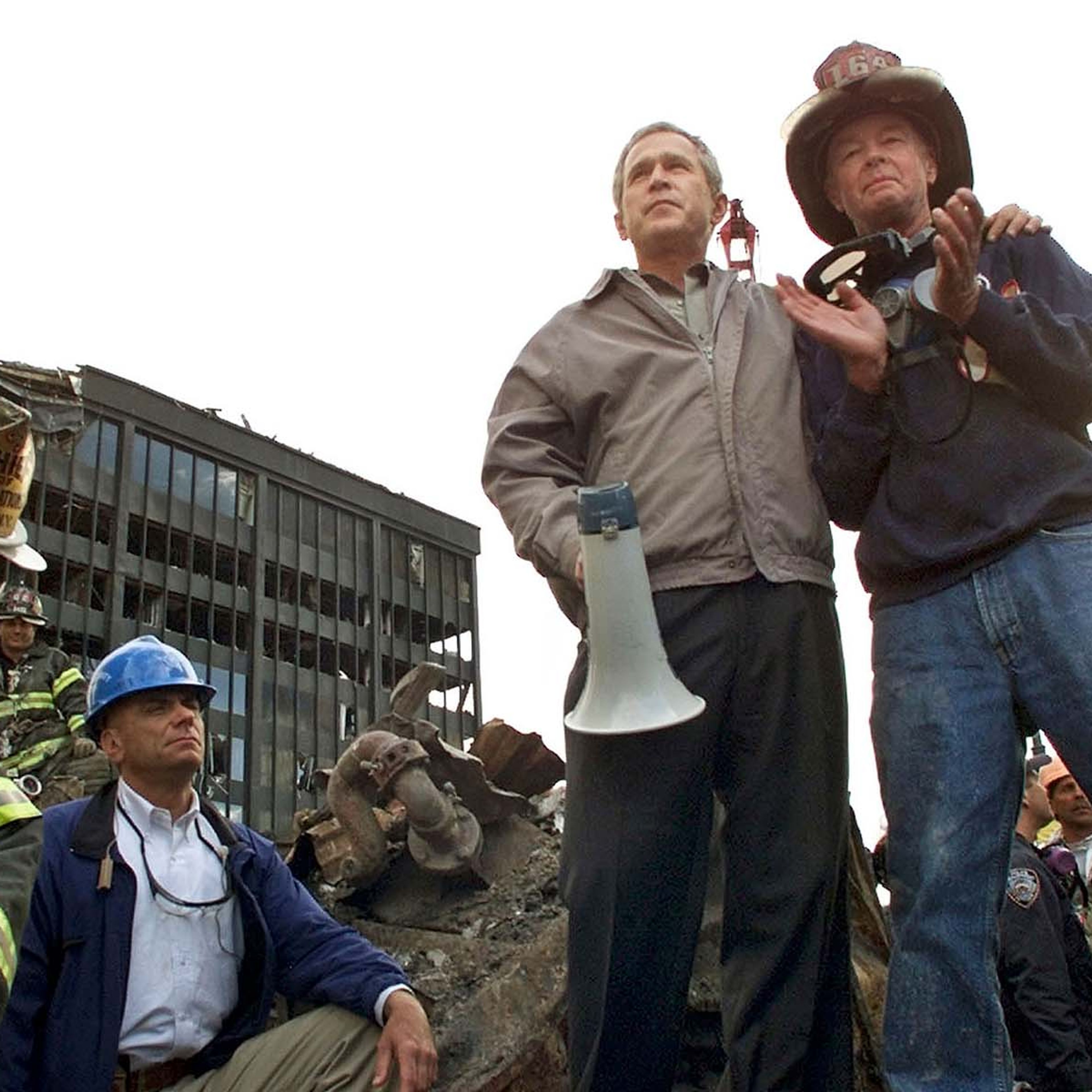
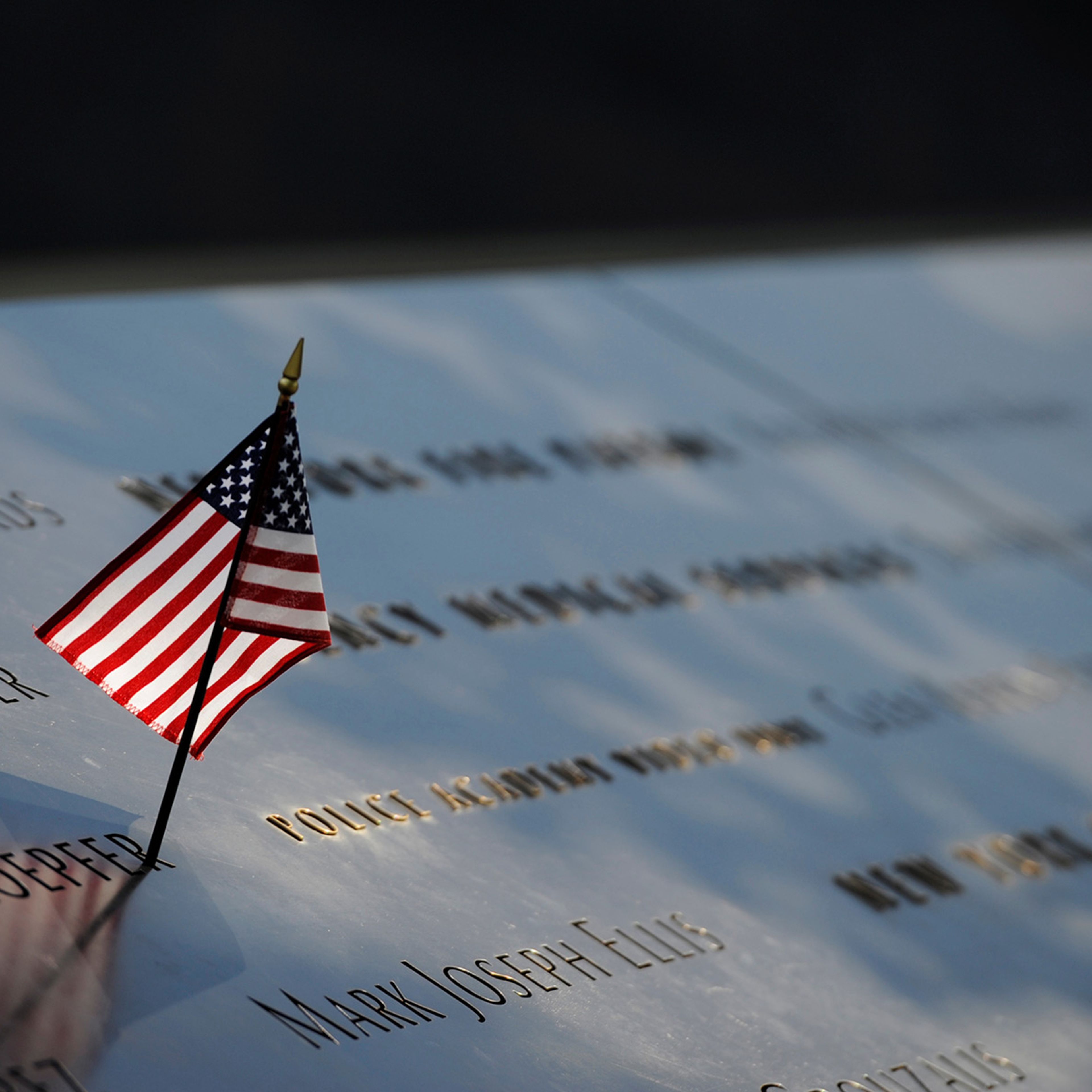
The 25th anniversary commemorations of September 11, 2001, rightly focus upon the day’s fallen. The roughly 3,000 Americans who died in terrorist attacks that day are still a great sorrow, as are the several thousand more American dead in the subsequent wars. Their absence constitutes a scar that will remain felt and present until the last witness passes. Given how these things work — the last Civil War veteran died in the 1950s, and the last First World War veteran in the 2010s — the remembered agony of 9/11 should exit our national consciousness sometime in the 2090s. That is a long time to live with it.
Yet lives were not the only things lost that day. The morning of September 11 was the final bright hours of the American Belle Epoque, the golden era that began with our victory over the Soviet Union and ended with our defeat at the hands of al-Qaeda. Those twelve bright years went too swiftly and were too prosperous and too successful for Americans, afflicting us with the “victory disease” that has crippled our strategic thought and self-assessment since. Americans of a certain age don’t remember what it was like to be optimistic by default, to be confident their nation was the strongest on earth, to feel essentially invulnerable to history, to assume an upward trajectory for themselves and their country, and to live in a (comparatively) high-trust society. We had all this, and it ended on that bright blue day of death.


Comments