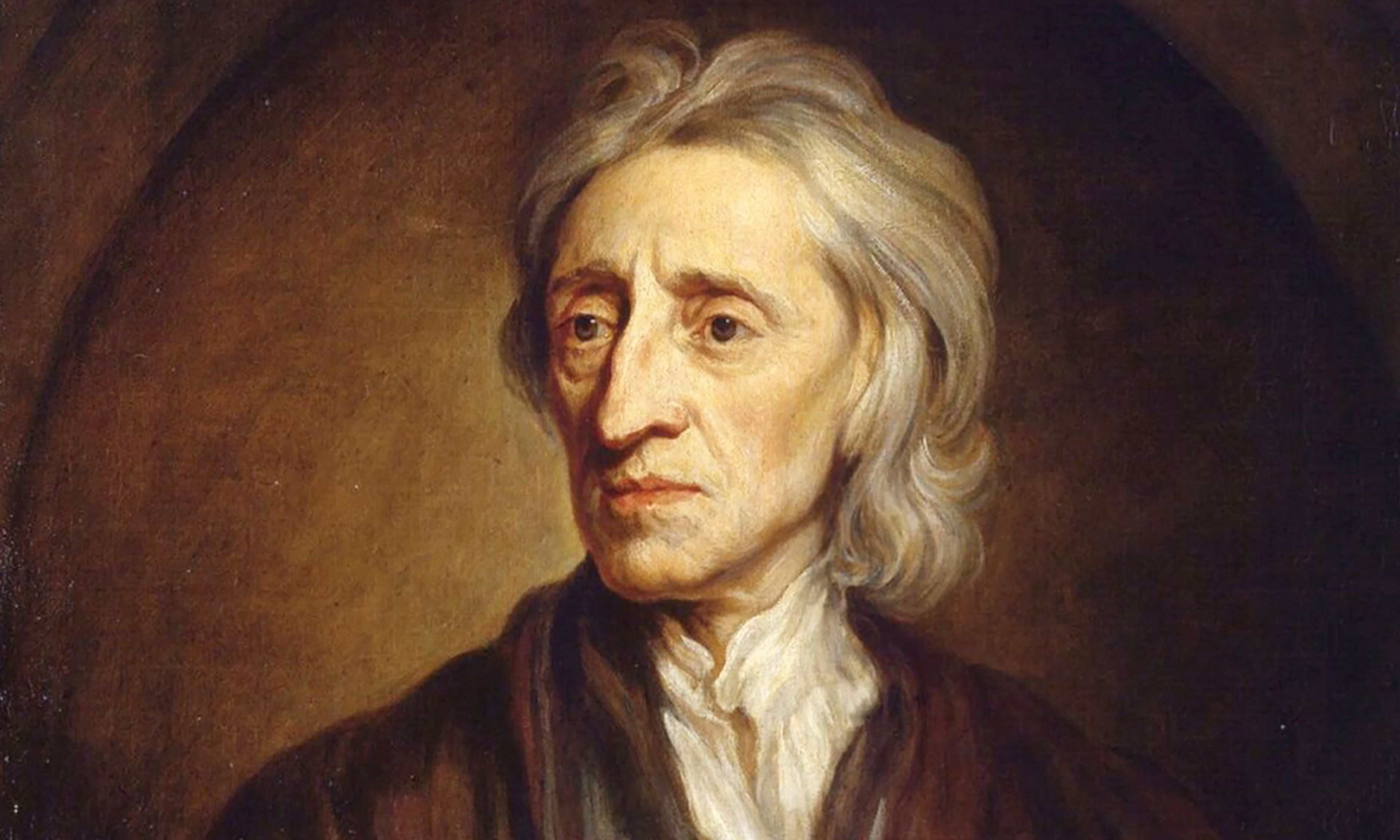
Conspiracy theories, nativism, militant religion, mob violence, a plot to topple the government — welcome to 17th-century England. English philosopher John Locke (1632–1704) lived through one of the most turbulent and divisive periods in British history. At the center of the storm, he believed, was a degraded form of Christianity. “All those flames that have made such havoc and desolation in Europe, and have not been quenched but with the blood of so many millions,” he wrote, “have been at first kindled with coals from the altar.”
Locke’s response was to offer the world a new political vision: a liberal society based on a radical reinterpretation of the teachings of Jesus. The bracing message, contained in his Two Treatises of Government and A Letter Concerning Toleration, was about the liberty and dignity of every human soul. It would form the bedrock of the American political order.




Comments