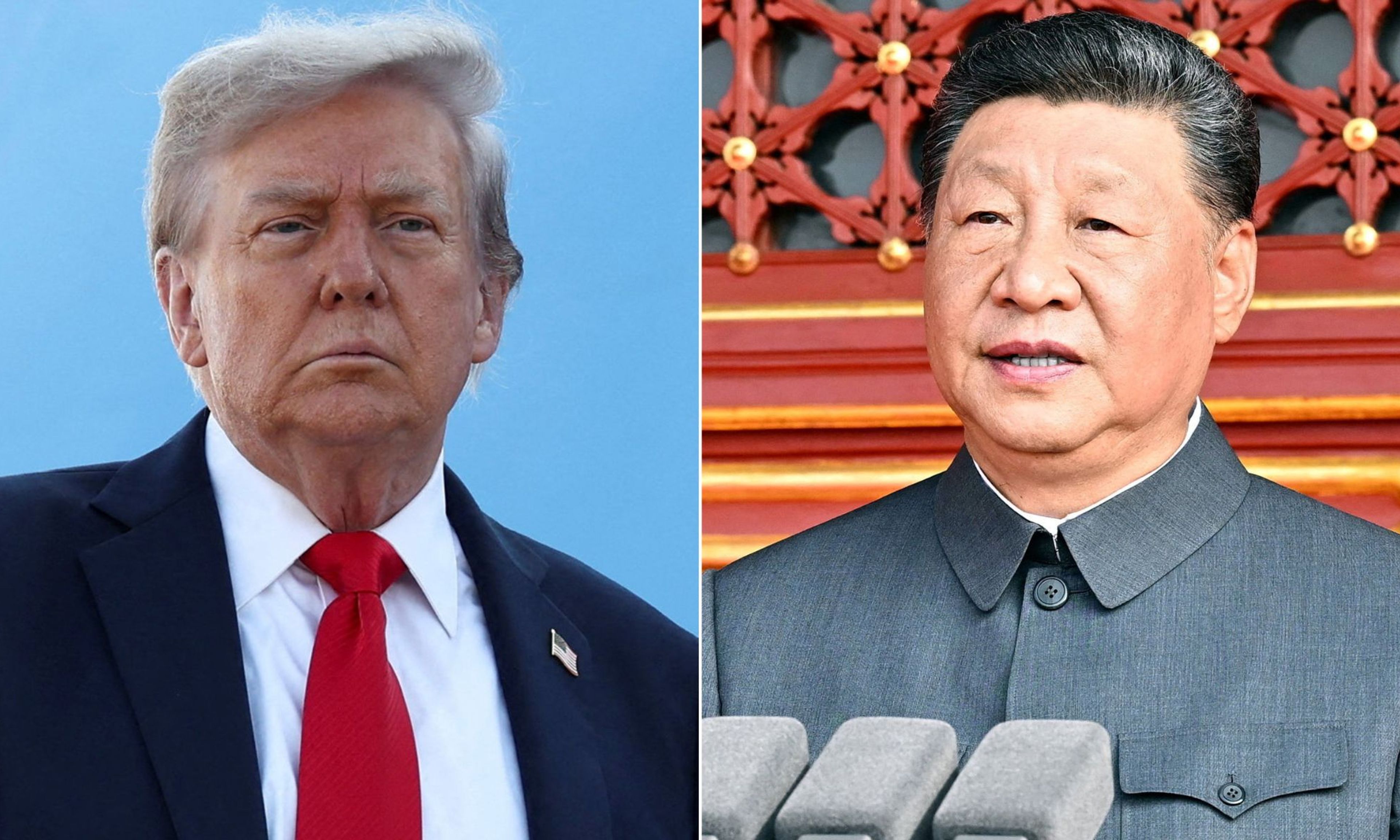
This week’s meeting in Beijing between Chinese Communist Party Secretary-General Xi Jinping, Russian President Vladimir Putin, and Indian Prime Minister Narendra Modi purports to demonstrate that a rising China is leading a large and growing coalition of like-minded countries to challenge U.S.-led dominance in every dimension: economic, military, technology, and global influence. The disciplined execution of this narrative by Beijing crystallizes the difference in styles and impact between the leaders of the world’s two largest economies. China under Xi Jinping reflects a high point in decades of CCP perfection of global propaganda. The orchestration of several days of apparent unity among countries that are trying to create an anti-liberal, anti-Western bloc is noteworthy.
By contrast, Donald Trump is one of history’s great showmen with a lifelong record of unerring instinct for gaining media attention and the ability to focus people on what he wants them focused on. The challenge the U.S. faces is how sustainable is the president’s gut-instinct, daily-changing transactional approach against the illiberal bloc’s ability to control various organs of information and influence over time. While China lags the U.S. in every indicator — economic, military, global influence, freedom, you name it — the country under the Communist Party is the sole global propaganda superpower.



Comments