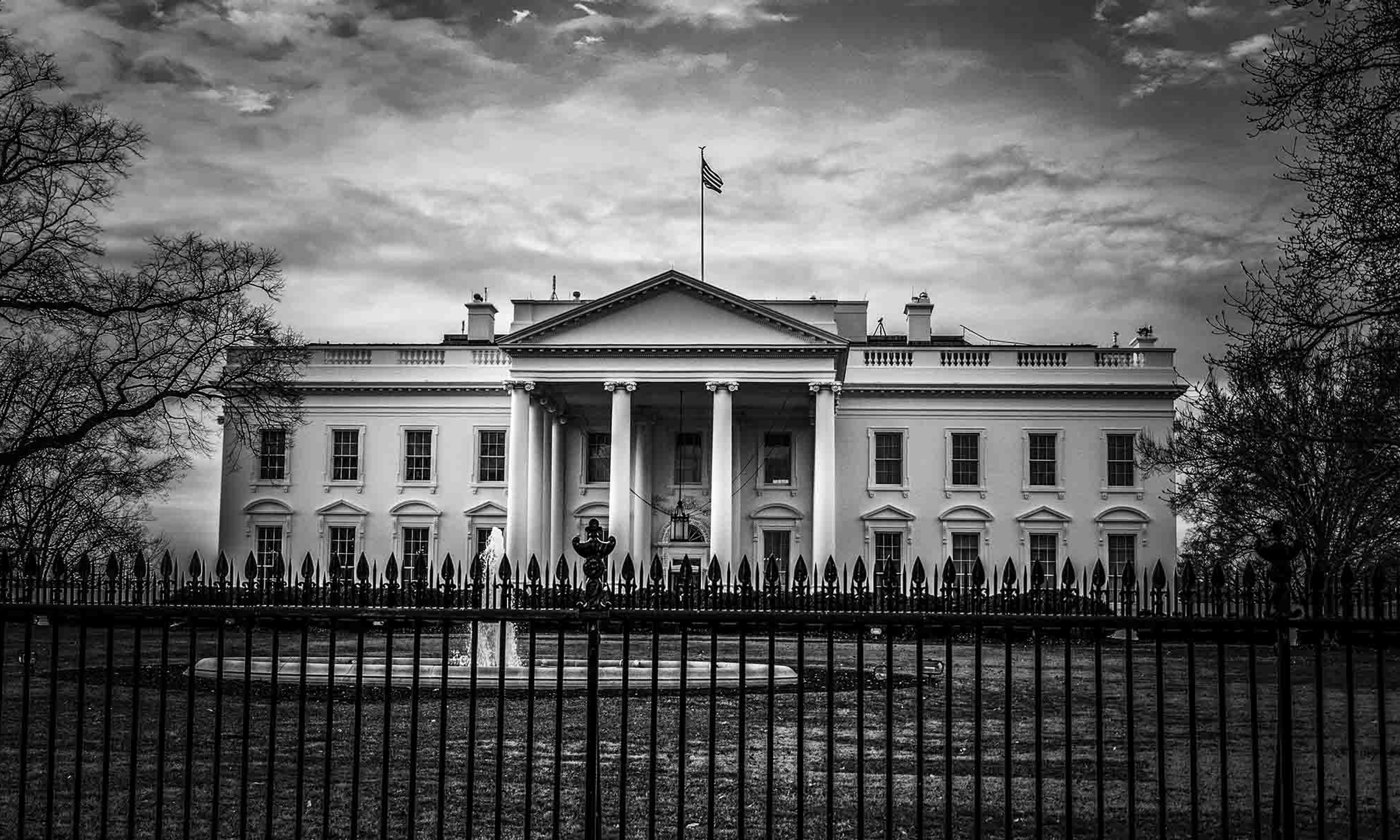
Inspired by the brilliant and resourceful lawyering recently exhibited by the Biden administration’s Office of Legal Counsel (OLC) in justification of the president’s mass student-debt transference, I spent a few moments this morning rifling through some other federal laws that, while ostensibly unrelated to broader conservative legislative aims, may contain the key to a wholesale alteration of the statutory landscape by the next Republican president. Naturally, I cannot promise creativity on the scale displayed by the OLC — having forgone law school on the grounds of cost, there are limits to my comprehension — but, via a little squinting, some well-developed motivated reasoning, and a near-total lack of respect for America’s constitutional order, I can offer some insights that those of a generous disposition might at least deem adjacent to the OLC’s monumental achievement. Famously, James Madison argued that if the executive branch can’t get his own way, he should trawl through emergency legislation in search of a tenuous pretext, and it is in that spirit that I offer up my own analyses of the law.
First, we have the Antiquities Act of 1906. On the face of it, this law was designed to protect Native American ruins from poachers and private collectors. But, if you dig a little deeper, you’ll find that it enacts a national ban on abortion. At the outset, the Antiquities Act records that “The President may, in the President’s discretion” — which is obviously extremely important, because it confirms that the president can act in this realm without Congress. The law’s plain text cites “objects of historic or scientific interest” — a grouping that includes unborn children, who are very scientifically interesting and, if left unmolested, will eventually become historic — and it is limited in scope to “land owned or controlled by the Federal Government to be national monuments,” which although not a perfect match for “all of America,” should be read in concert with the general-welfare clause to convey plenary power. Taken together, these three provisions clearly empower the executive branch to prohibit the termination of unborn life. Or, as the OLC might put it: “We conclude that the Act grants that authority.”





Comments