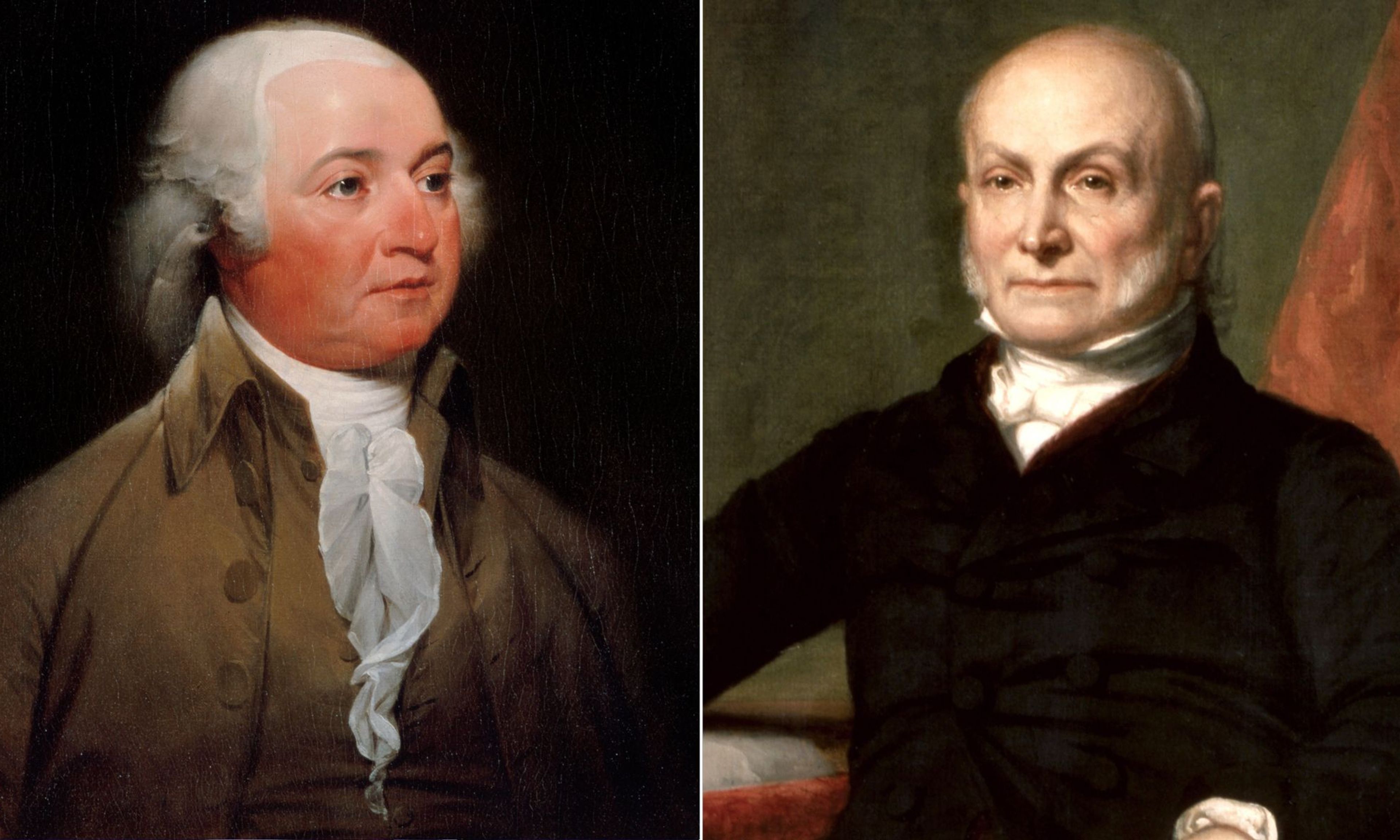
In recent weeks, we have witnessed the so-called “No Kings Day” on June 14. The original “No Kings Day,” however, is July 4. The Fourth of July marks the anniversary of America’s independence from England. For decades, American presidents, statesman, elected officials, and citizens celebrated the Fourth by delivering speeches celebrating the Declaration of Independence. For John Adams and for his son John Quincy Adams, the meaning of our independence is best expressed in the Declaration, as it embodies the principles of liberty, self-governance, and natural rights.
As both Adamses have argued, this anniversary is an occasion for American citizens to deepen their understanding of their independence and the principles of the republic by reflecting on the enduring principles that inform our way of life. Adams the younger, in speeches delivered on July 4, 1821, and July 4, 1837; and Adams the elder, in his Thoughts on Government, offer profound reflections on the importance of the Declaration, its meaning, and significance. For both members of the family, the Fourth of July is not merely a celebration of a historical event, or a reminder of an earlier generation’s grievances against King George III, but a perennial reaffirmation of the Declaration’s enduring principles, which define the purpose of government and the meaning of happiness.




Comments