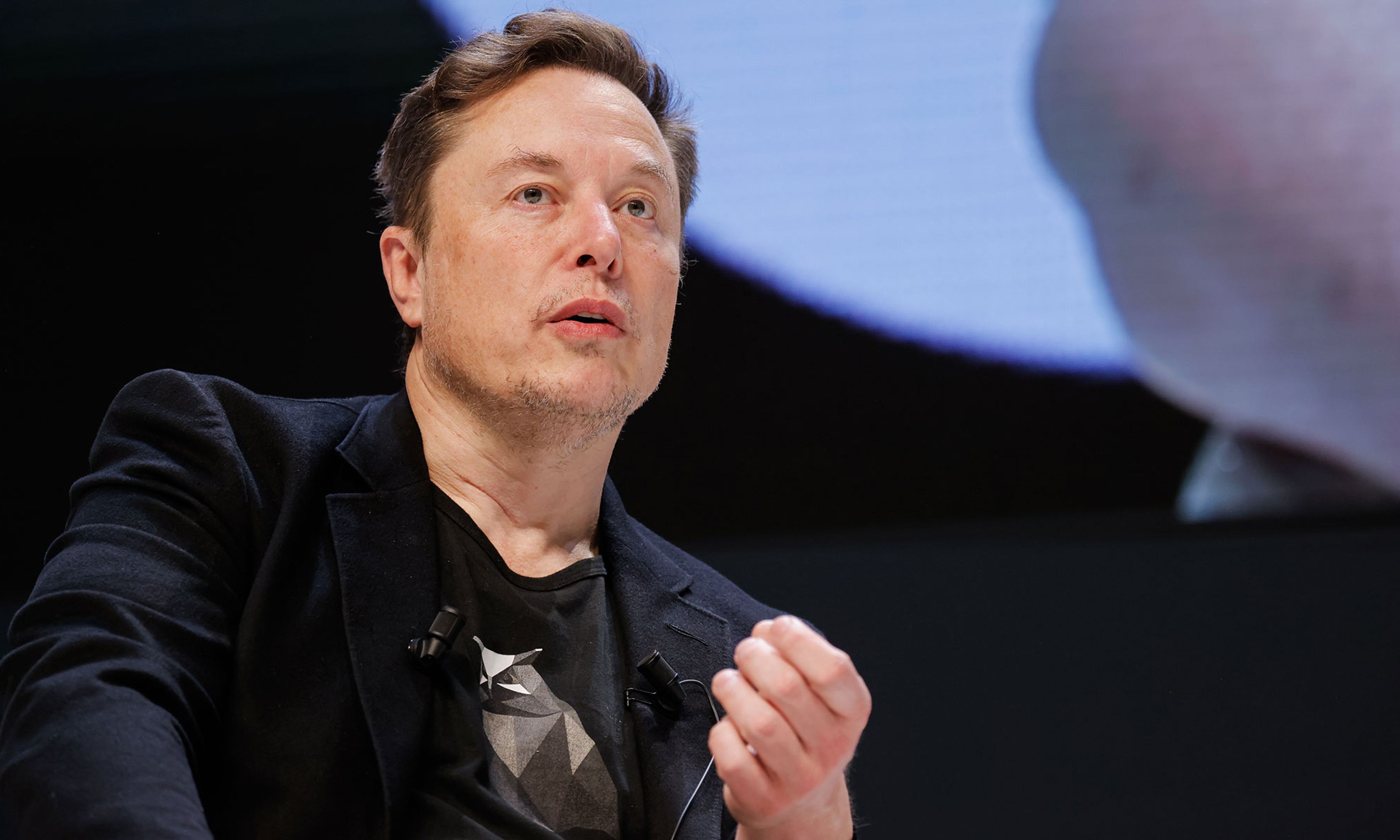
In September 2022, the Ukrainian military attempted to attack a Russian naval base in Crimea. The plan failed because Elon Musk, the owner of Starlink, denied Ukraine access to the communications system, which would have been critical to the ambush. Musk later said he turned off the access because he worried that, if the attack was successful, Russia would launch nuclear weapons in retaliation.
It was, in effect, a private citizen directing battlefield strategies in a war in which the United States has a direct interest. And it hasn’t ended there; Musk’s status as the world’s richest man has on occasion allowed him to talk secretly with Russian president Vladimir Putin about, among other things, shutting off the Starlink internet system over Taiwan as a favor to Chinese leader Xi Jinping. (In 2021, Musk earned a $1.8 billion contract from the U.S. government to operate Starlink for NASA and the U.S. military.)

Comments