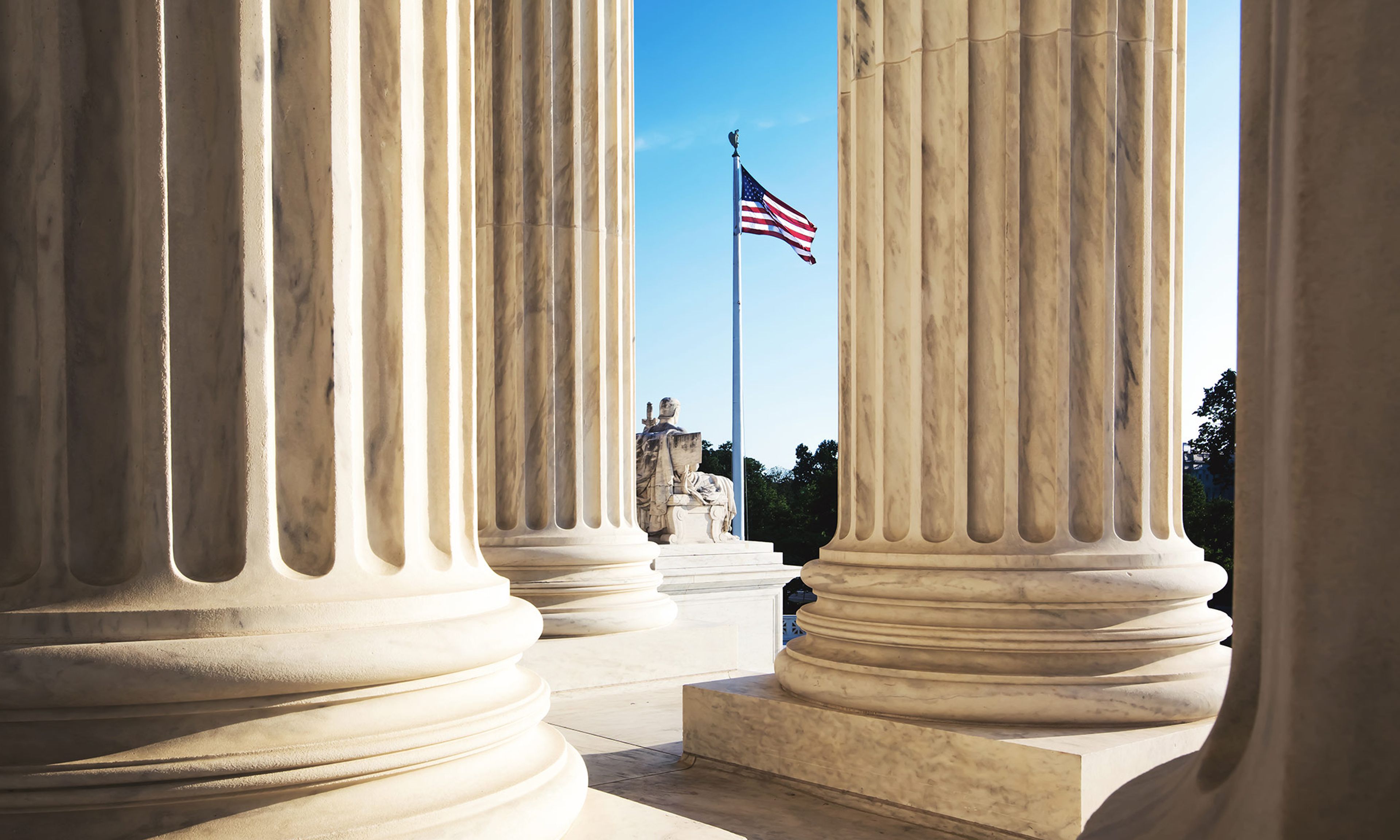
Last week’s unprecedented leak of the draft opinion in Dobbs v. Jackson Women’s Health Organization unintentionally shows why the Supreme Court should overturn Roe v. Wade (1973). By seizing abortion from the states and Congress and transforming it into a constitutional right, Roe embroiled the Court in partisan politics. As night follows day, the methods of electoral politics migrated from legislatures to the courts. If the Court ultimately overturns Roe in the next few weeks, it not only can repair the constitutional law of rights but cure itself as well.
The question in Dobbs, which the Court heard in December, was whether Mississippi could ban all abortions after 15 weeks of pregnancy. Under Roe, as reaffirmed in Casey v. Planned Parenthood (1992), the Court generally allows states to regulate abortions, so long as they do not place an “undue burden” on a woman’s right to choose (though the Court failed to clearly define “undue burden”). But before viability, which occurs at about 22–23 weeks of pregnancy, the Court has held that the Constitution’s due-process clause protects a virtually unrestricted right to an abortion. Last week, someone leaked a draft opinion (dated February 10, 2022), authored by Justice Samuel Alito and reportedly joined by Justices Brett Kavanaugh, Clarence Thomas, Neil Gorsuch, and Amy Coney Barrett, overturning Roe and returning abortion policy wholly back to the states.






Comments