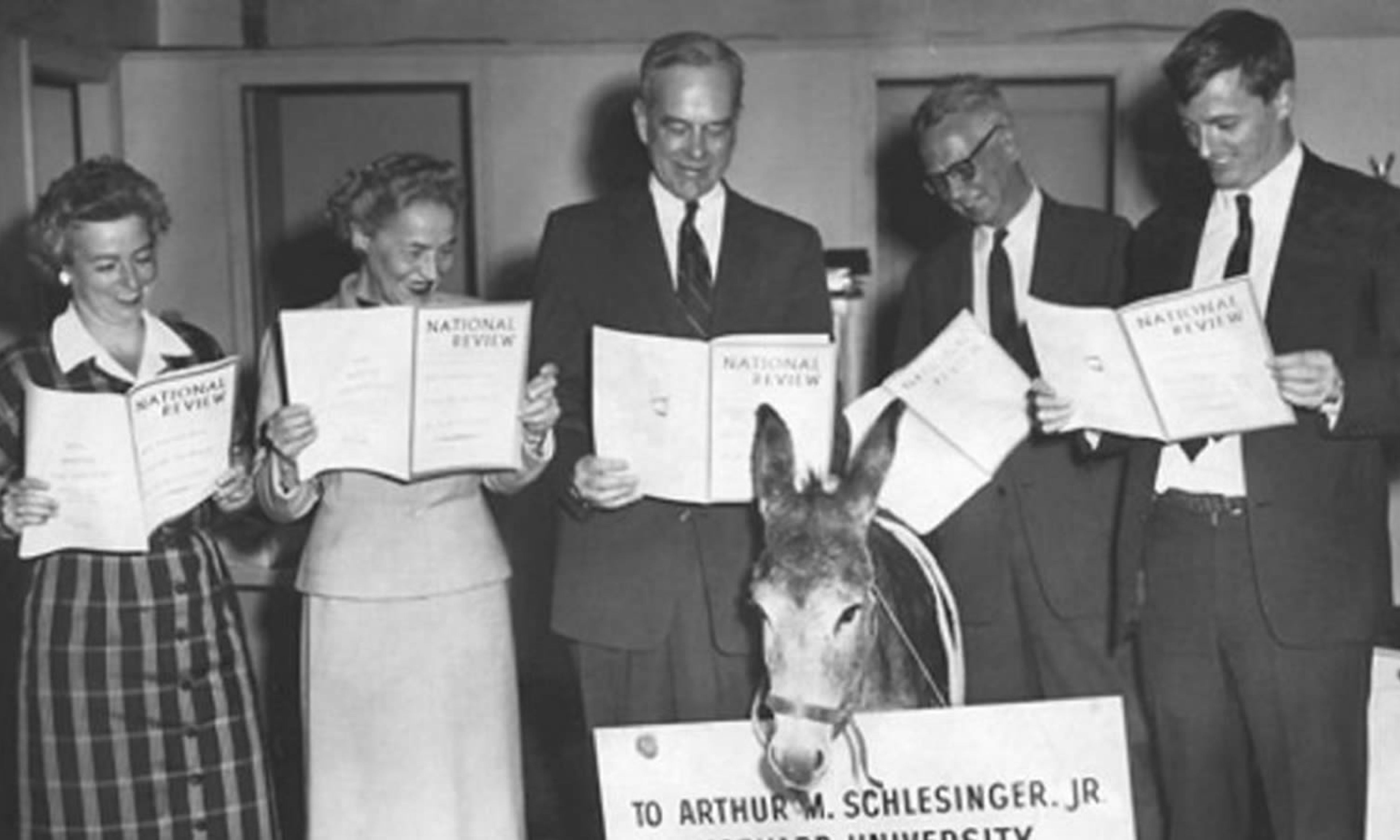
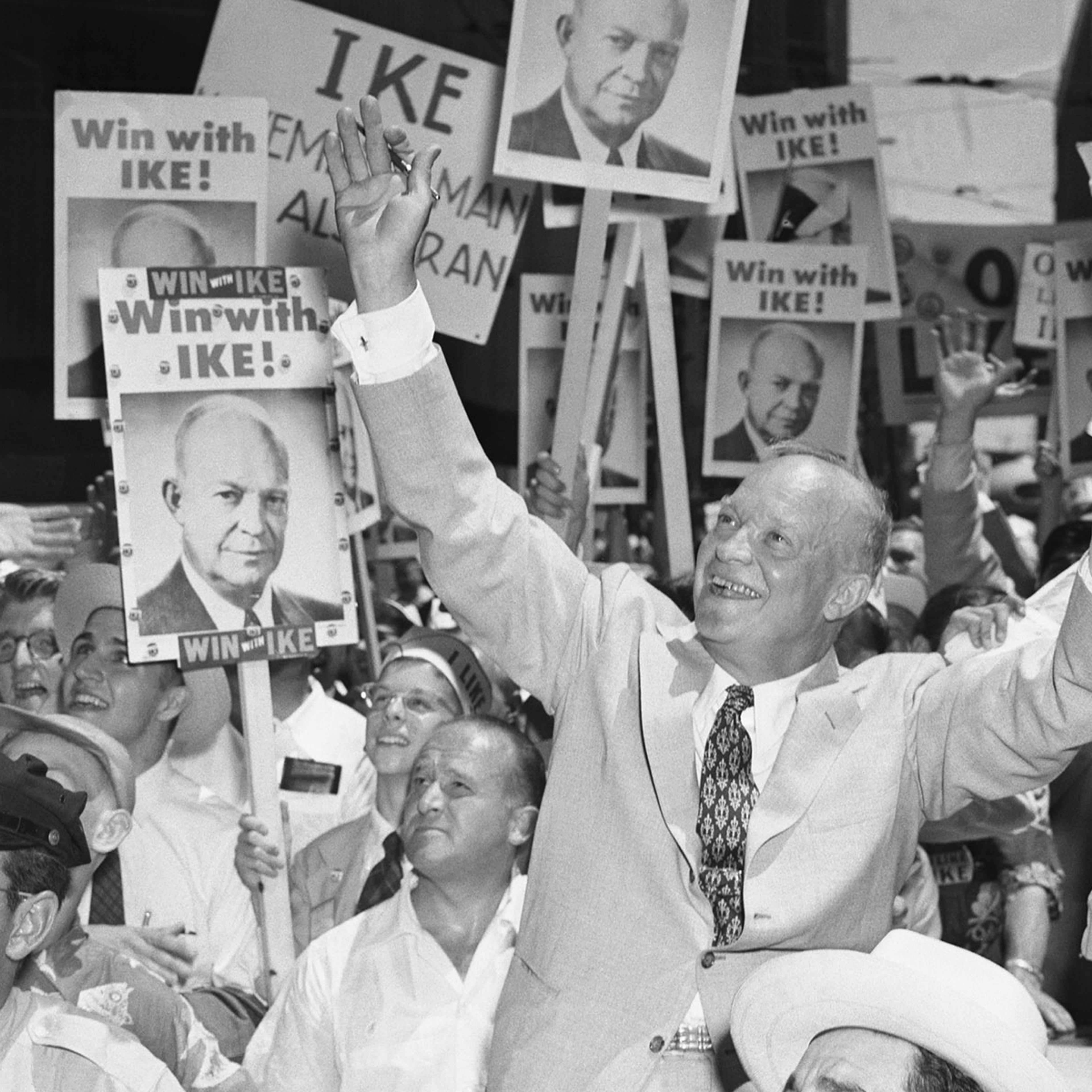
The year 1955 was a pivotal moment for American conservatives. Politically, they were floundering. Robert Taft, known as “Mr. Republican,” was a strong post-war conservative leader admired by Bill Buckley, Russell Kirk, and other early leaders of the magazine, but he died of cancer in 1953. In his wake, the liberal Republicanism represented by President Dwight D. Eisenhower arose, leaving conservatives without true political representation. The anti-Communism that had driven post-war conservatives was also in retreat after the censure of Senator Joseph McCarthy (R., Wis.), something that Buckley and his conservative friends from publications like The Freeman and Human Events had also protested.
Yet, an opportunity and desire for conservative renewal was on the horizon. Not only had Bill himself published a best seller in 1951 with his first book, God and Man at Yale, Whittaker Chambers’s Witness became an instant classic in 1952, and 1953 saw the publication of two conservative classics Buckley deeply admired in Russell Kirk’s The Conservative Mind and Robert Nisbet’s The Quest for Community.



Comments