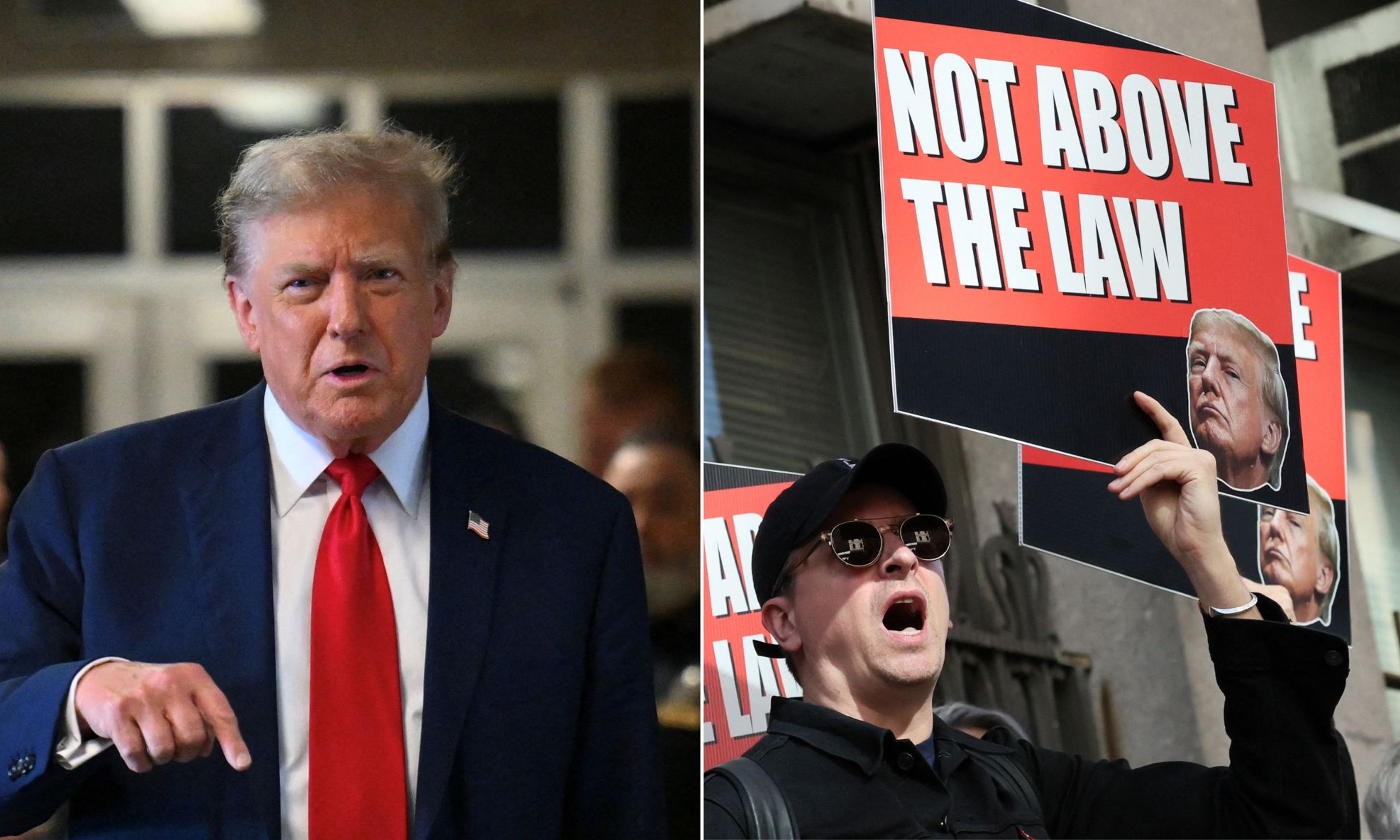
As we’ve discussed time and again, the “hush money” case against Donald Trump was forged by Manhattan DA Alvin Bragg’s inflation into 34 felonies of what, at most, may have been a misdemeanor falsification of business records. Bragg had to do that because if the conduct charged is a misdemeanor, he has no case because of the statute of limitations.
Trump’s best defense, then, is not necessarily to establish that he is not guilty; rather, it is to establish that, if he is guilty of anything, it is merely of the misdemeanor. If the jury so finds, I believe the case would have to be thrown out. The conduct charged in the indictment occurred in 2017. The misdemeanor falsification of business records offense has a two-year statute of limitations — meaning, it lapsed in 2019, or maybe 2020 if prosecutors got creative enough. Bragg did not indict the case until 2023, years after the limitations period on the misdemeanor had been exhausted.





Comments