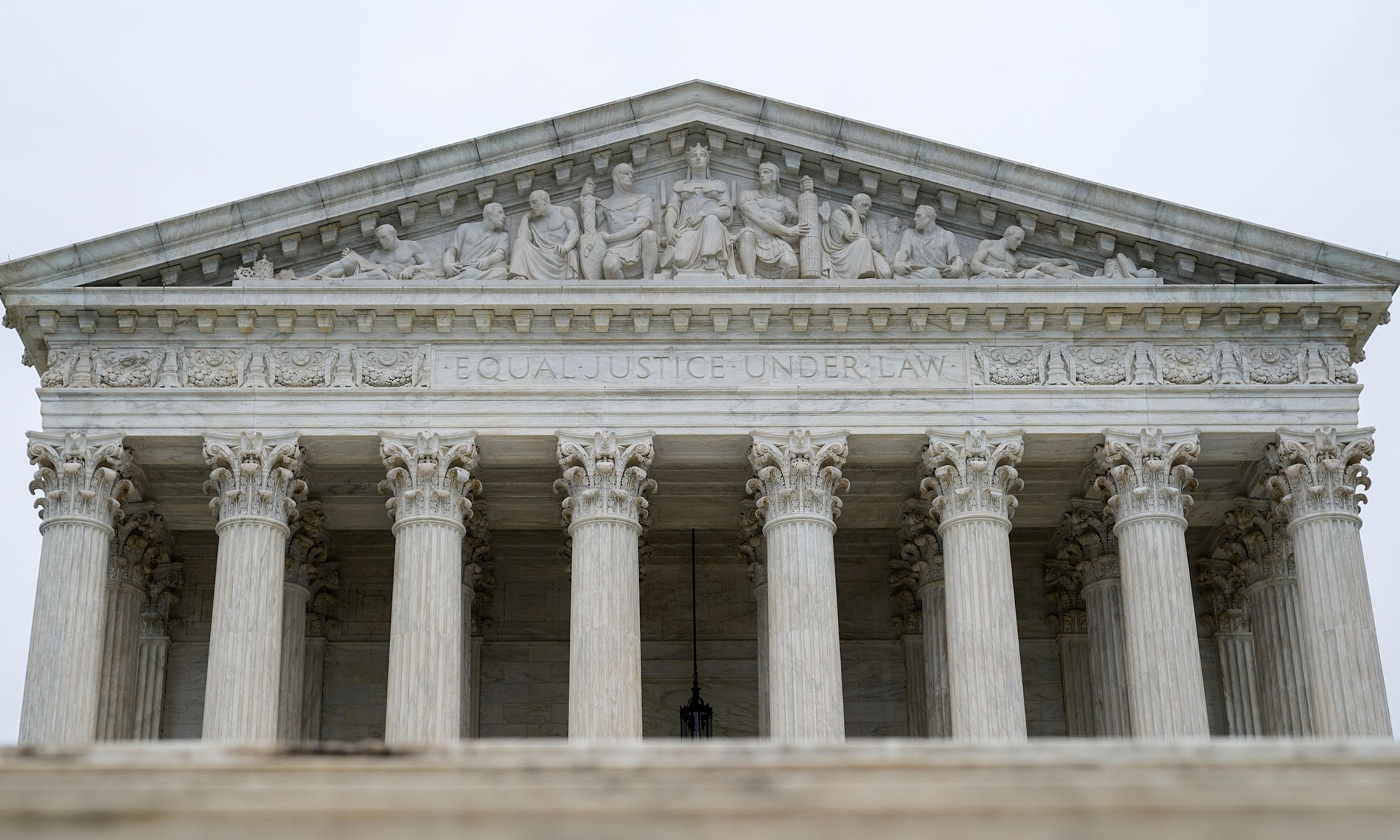
The Supreme Court’s decision in Ramos v. Louisiana ruled that the Constitution requires a unanimous jury verdict to convict anyone accused of a serious crime. Most Americans probably thought this was already the law. It was generally accepted as the law when the Bill of Rights was written, and for a century thereafter. But two states, Louisiana and Oregon, have laws allowing convictions on a 10–2 vote, which survived a challenge in 1972 (Louisiana repealed its law in 2018 for new prosecutions). The Court’s 6–3 decision was written by Justice Gorsuch, over a dissent by Justice Alito that was joined by Chief Justice Roberts and Justice Kagan. Justices Thomas, Sotomayor, and Kavanaugh all wrote separate opinions offering different reasons for joining the Court’s ruling. The very non-unanimous Court reveals some fascinating divides and may give us a preview of the Court’s thinking about bigger questions looming down the road.
The various Ramos opinions covered three heated battlegrounds in constitutional law: (1) whether to read the Constitution to mean what it meant when it was written; (2) when and how to overturn existing precedents; and (3) whether neutral, non-discriminatory laws should be invalidated if they were written for a discriminatory purpose. (For Supreme Court aficionados, Ramos also delved on the side into two other long-running questions: how much weight the Court should give to social-science data or to a “consensus” among the states, and why and how parts of the Bill of Rights apply to the states.) Looming behind those debates about judicial methods are differing views of how to resolve big-ticket questions that will come before the Court in the future, some of them quite soon.





Comments