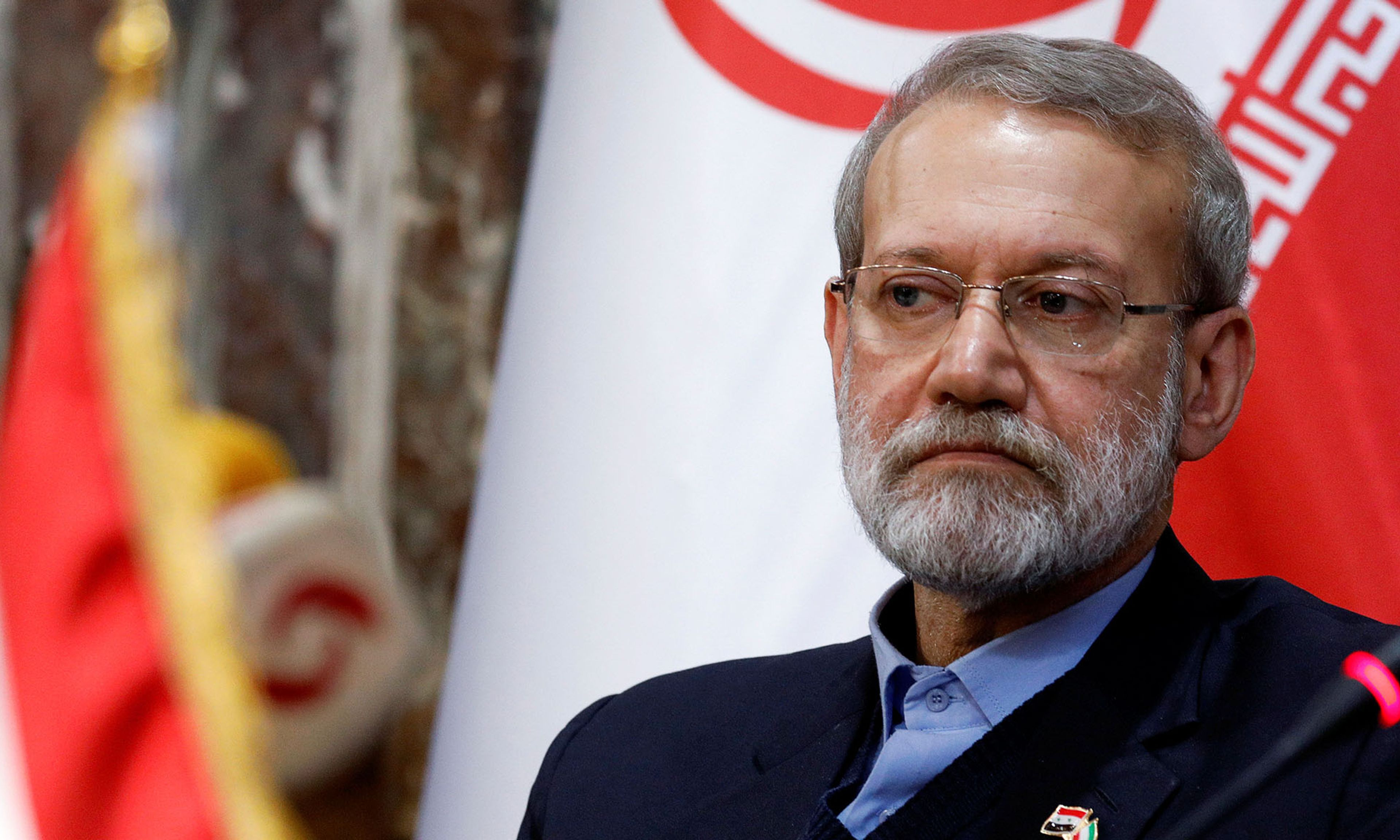
Ali Larijani — one of the Islamic Republic of Iran’s foremost repressors, the architect of the slaughter of perhaps tens of thousands of anti-regime protesters, Iran’s “de facto” wartime leader, and a figure who the U.S. government alleged “plans, organizes, and executes terrorism around the world” — was, according to CNN, “a pragmatist rather than an ideological hardliner.”
If he was hostile to U.S. interests, it was only because he was “committed to the survival of the Islamic Republic as Iran’s nezam — or system of government.” In fact, as CNN’s Christiane Amanpour contends, Larijani was once America and Israel’s “most favored transitional candidate” to lead a post-Islamic Republic Iran (how that comports with his unfailing commitment to the “nezam,” only the “experts” know). It was only when Larijani ordered the mass slaughter of protesters and “assumed a key role” in executing Iran’s omnidirectional attacks on its neighbors that he fell out of Washington and Jerusalem’s favor.





Comments