Last week, in response to a mid-January order from the secretary of the Navy, the Navy’s assistant secretary for research development and acquisitions, Nickolas Guertin, and Naval Sea Systems commander Vice Admiral James Downey delivered a report on delays within the Navy’s shipbuilding program. The report revealed that the delays are more widespread and prolonged than had been previously understood. Secretary of the Navy Carlos Del Toro had requested the review after the Naval Sea Systems Command (NAVSEA) revealed in January that the first of the Navy’s new FFG-62 Constellation-class frigates would hit the water one year late. Given that Del Toro, a retired Navy captain and former commander of an Arleigh Burke–class destroyer, had invested himself personally in the new frigate program, describing it as one of his top priorities, he wisely requested that the acquisitions portion of the Navy’s large bureaucracy provide him with a full accounting of the status of all shipbuilding programs. The report was sobering, to say the least.
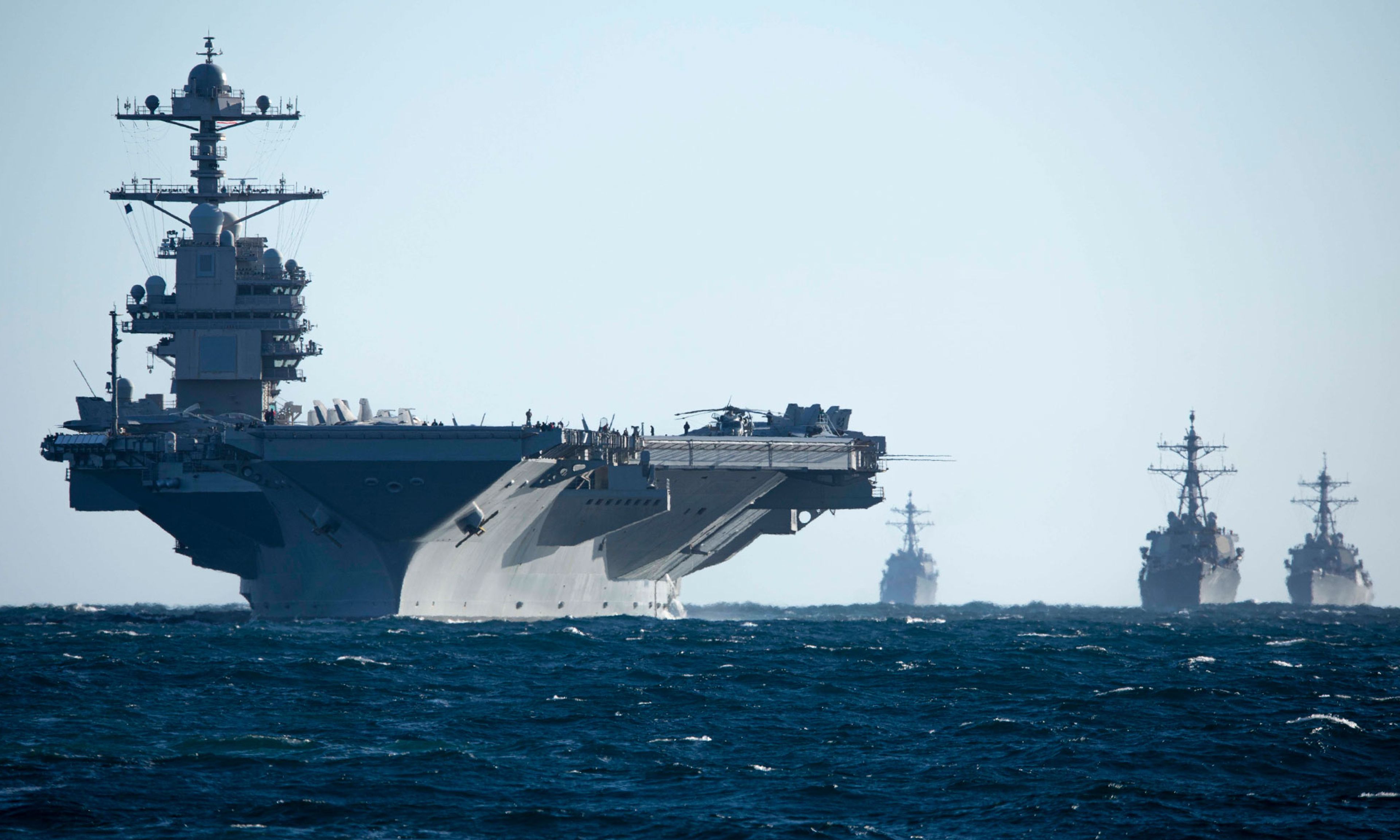
On its surface, the report revealed that five of ten major programs currently in production were facing delays stretching from twelve to 36 months. The carrier Enterprise is the third of the Navy’s new Ford-class carriers. Typically, the third ship in each class is expected to be the point where most programs have worked out any design kinks and begin to hit their production stride. However, the Enterprise is currently 18 to 26 months behind schedule. This delay has already triggered Navy leaders to examine whether they can squeeze one more deployment out of the USS Eisenhower (CVN-69), which was scheduled to decommission in 2027. This may sound simple, but such moves require careful calculations regarding the amount and accessibility of residual uranium remaining in Eisenhower’s two nuclear reactors, which were refueled in the 2001–04 time frame and are reaching the end of their serviceable lives.





Comments