
There is a tendency among cultural and social conservatives toward declinism. Richard Weaver’s Ideas Have Consequences has led some of its less careful readers to think that Western civilization took a wrong turn because William of Ockham told his students that only particulars are real, and universals are just linguistic conventions. Cut off from the belief that we perceive reality by the intellect and marooned in the delusion that we perceive reality only by the senses, we have been wandering into traps ever since, trying to guide ourselves with a lantern that gives no light of its own, only dimly reflects the light of the moon.
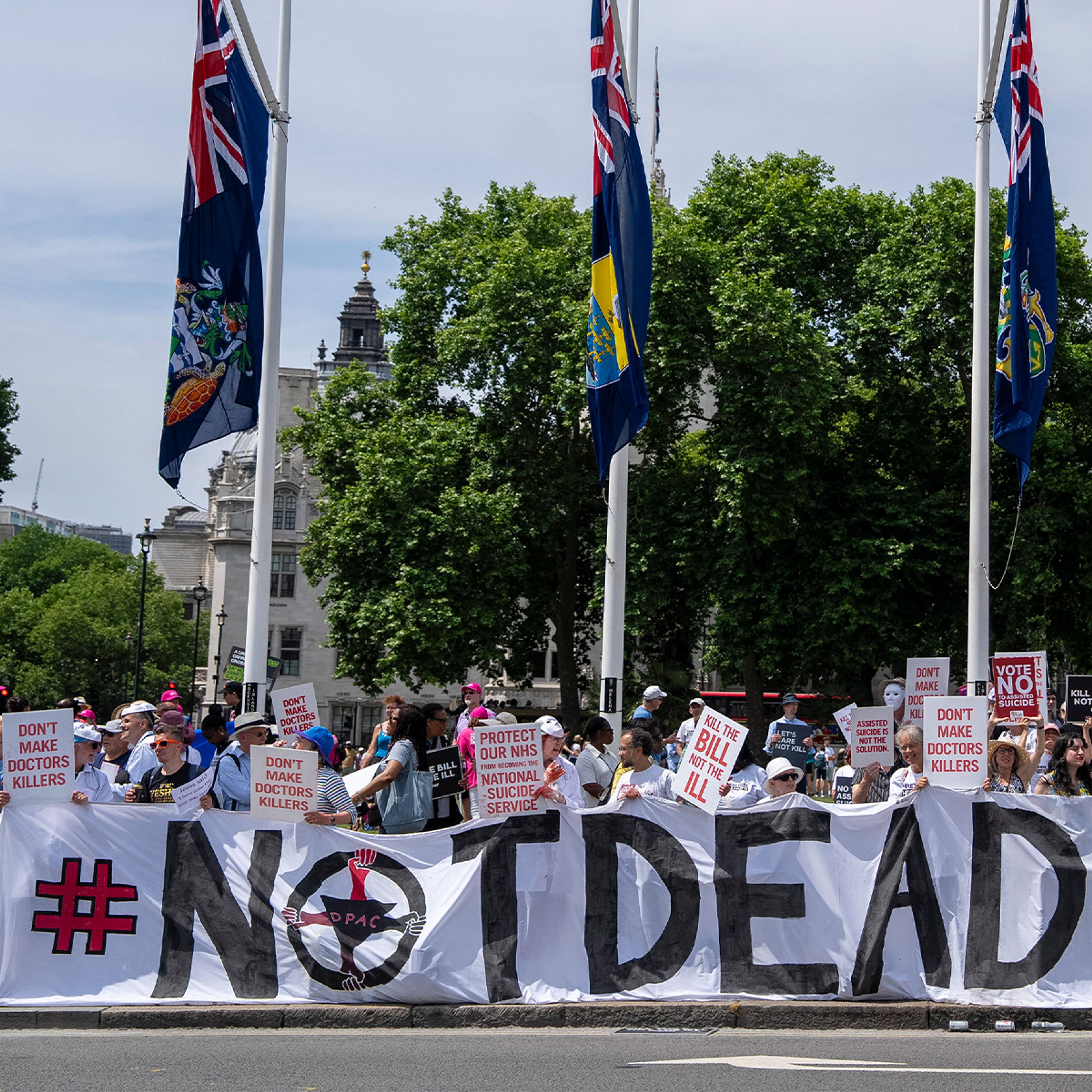
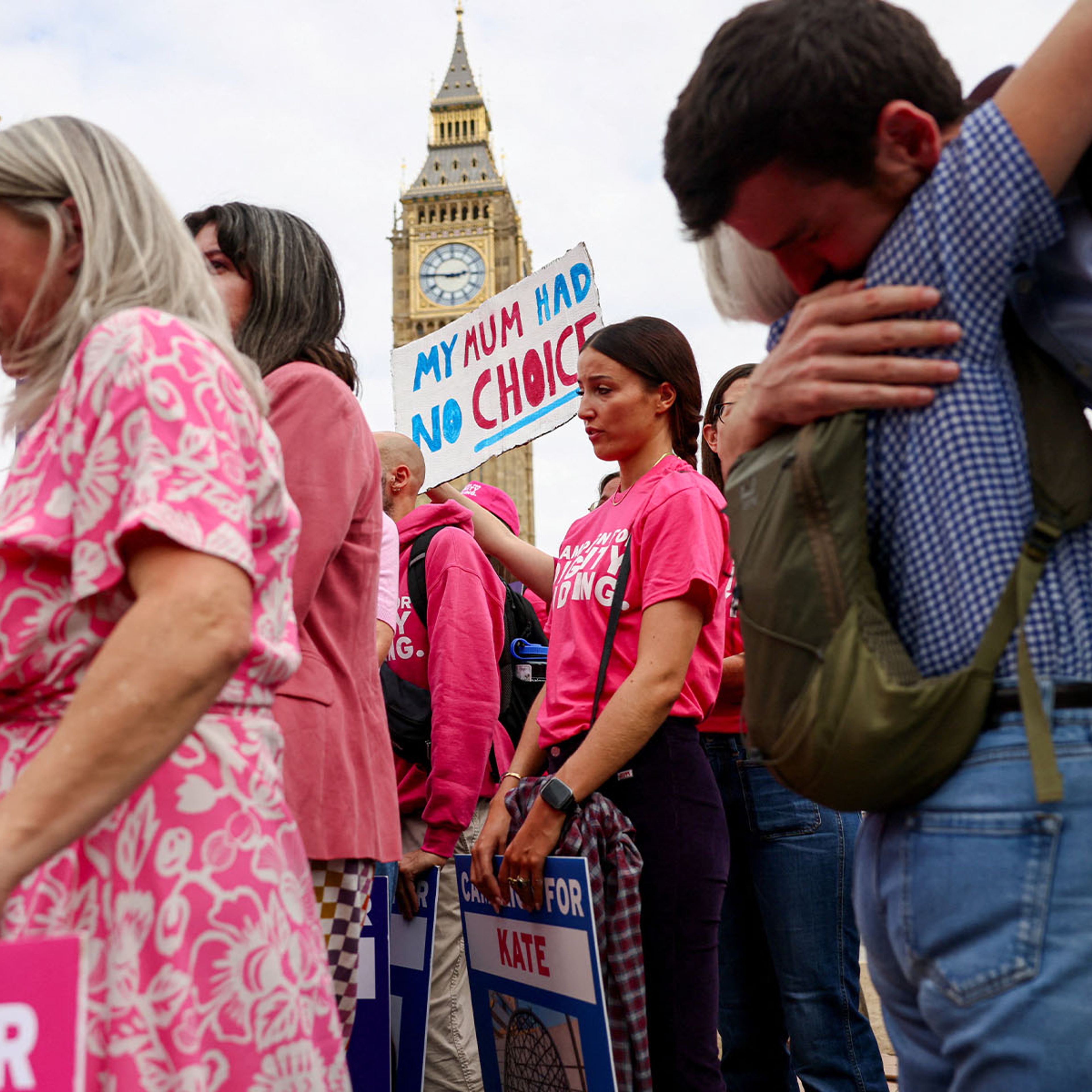
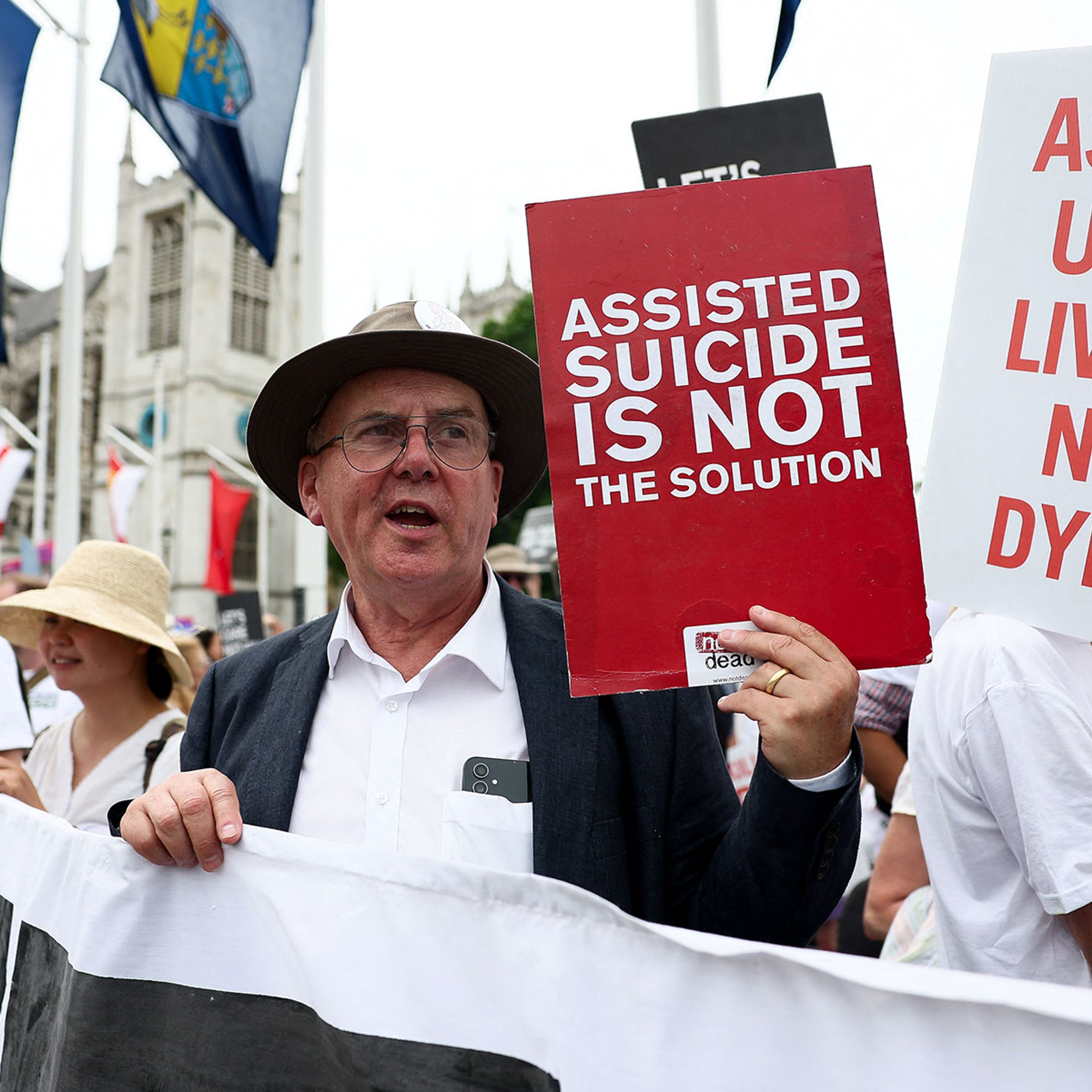
But the reality is that the West is always defecting from some Christian ideals, and returning back to others, or rediscovering and restating them in ways we think are acceptable. At least that is what I think we’ve observed in the U.K. Parliament over the past year while it debated, then voted for the Terminally Ill Adults Bill, then debated it again before rejecting it finally. This defeat for what Pope John Paul II called “the culture of death” is a reminder that we are not being conducted down the road to perdition by forces we cannot ever turn back, but traveling through this life in freedom, running into some disasters, and avoiding others.

Comments