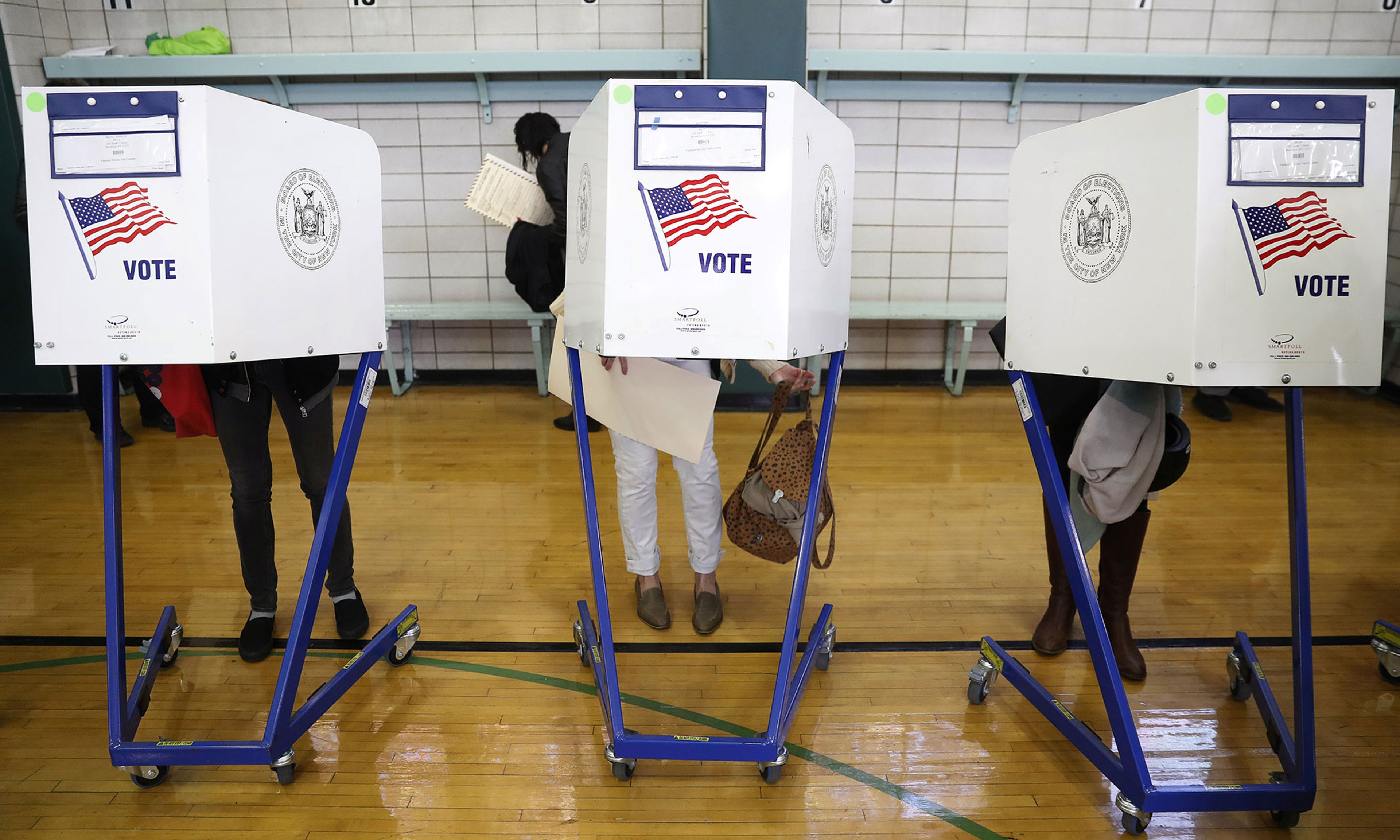
Most American prosecutors have admirably resisted using the criminal law to intimidate political opponents. Recent prosecutions of Donald Trump and those viewed as sympathetic to him raise doubts that this ethos persists. The Second Circuit hears an appeal in one such case in a few weeks.
Prior to the 2016 election, Douglass Mackey, using the pseudonym “Ricky Vaughan,” posted memes on Twitter encouraging Hillary Clinton’s supporters to “avoid the line” and text their votes. In 2021, two days after President Biden took office, the Justice Department charged Mackey with conspiring to violate the Enforcement Act of 1870, 18 U.S.C. § 241. A Brooklyn jury found Mackey guilty in December 2023, and he was sentenced to seven months in prison.


Comments