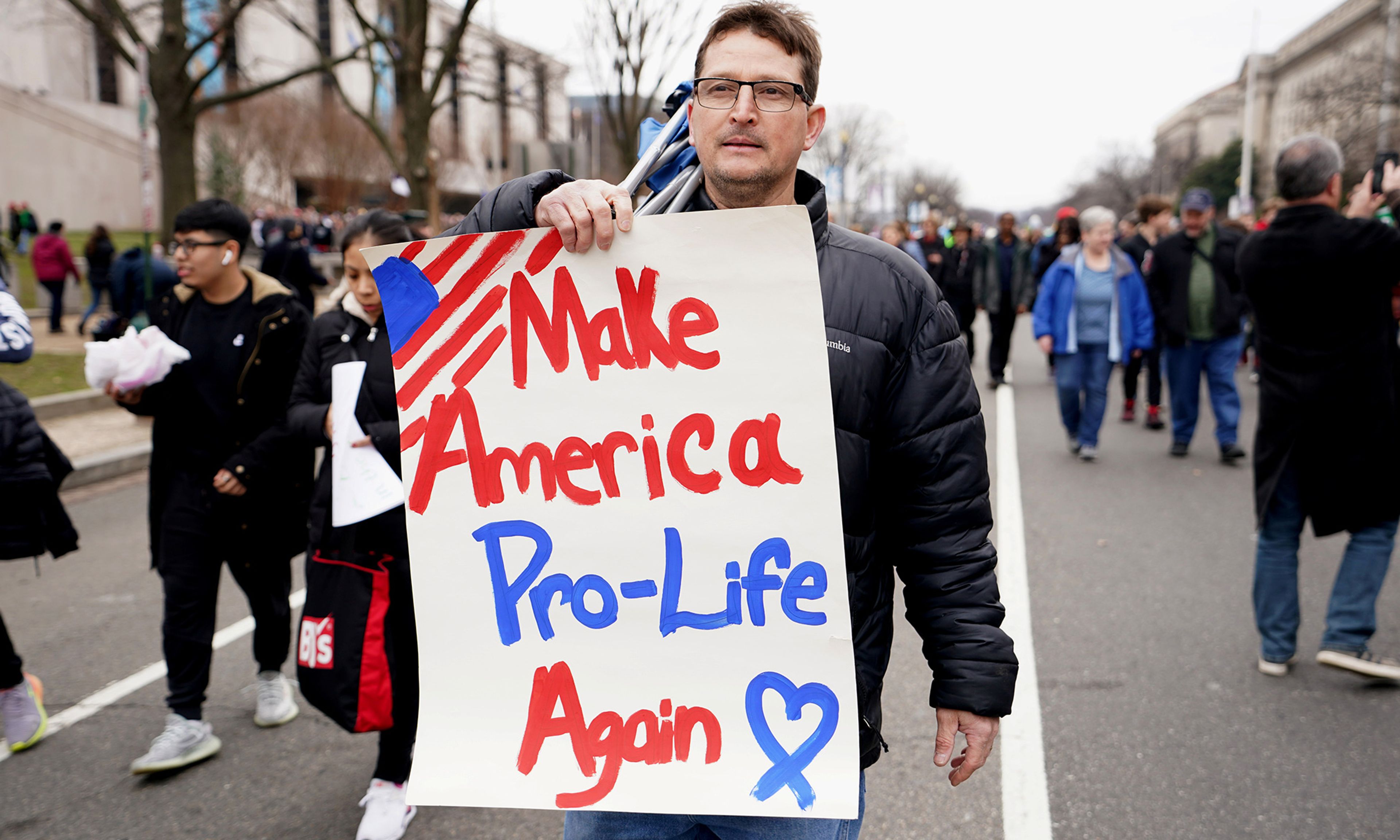
The overturning of Roe v. Wade has resulted in abortion legislation and debates taking center stage in state legislatures across the country. As of this writing, abortion is now banned in seven states, but this is subject to change within the next month as trigger bans go into effect and lawsuits are decided. According to the Wall Street Journal, 13 states maintain trigger bans that prohibit almost all abortions and were designed to snap into place as soon as Roe was overturned, but many of those are facing legal challenges. Some of the bans have already been put in place while others go into effect in 30 days. Alabama, Louisiana, Tennessee, and West Virginia all have constitutional amendments barring abortion, while Kansas is slated to decide on a constitutional amendment on August 2. If voters decide to amend the Kansas constitution, the Republican legislature could take action to prohibit abortion. Twenty states and the District of Columbia have abortion protections in place.
It is now up to Republican legislatures in many states to craft and pass new abortion laws to protect the unborn. They already have begun doing so, and they are facing a litany of legal challenges from abortion providers who are asking judges to block trigger laws from going into effect. Georgia governor Brian Kemp signed a heartbeat bill that banned abortion effectively at six weeks back in 2019, which was struck down by a federal judge as unconstitutional. When Georgia appealed, the Court of Appeals for the Eleventh Circuit delayed its ruling, pending the Supreme Court’s decision in Dobbs v. Jackson Women’s Health Organization. A federal Court of Appeals judge has given attorneys who filed a lawsuit challenging Georgia’s abortion ban three weeks to file briefs regarding how the Supreme Court’s overturning of Roe v. Wade will affect the Georgia law. Texas passed a “heartbeat bill” in 2021 that banned abortion as soon as a fetal heartbeat is detected, usually at six weeks. However, Texas also maintains a “trigger law” that was passed in case Roe was overturned, which will ban abortions completely, except in cases where the woman’s life or health is at risk. This law is supposed to go into effect 30 days after the Supreme Court ruling. However, today, a Texas judge blocked the 1925 law that bans abortion in the state, implementing a temporary restraining order. With this order in place, Texas’s 2021 “heartbeat bill,” which effectively bans abortion at six weeks, remains in effect in Texas.


Comments