The United Kingdom has recently confirmed a sweeping ban on social-media platforms for children under age 16 to mitigate “harm,” yet it is proceeding with a clinical trial — or more accurately, a doomed experiment — that gives puberty-suppressing drugs to girls as young as eleven.
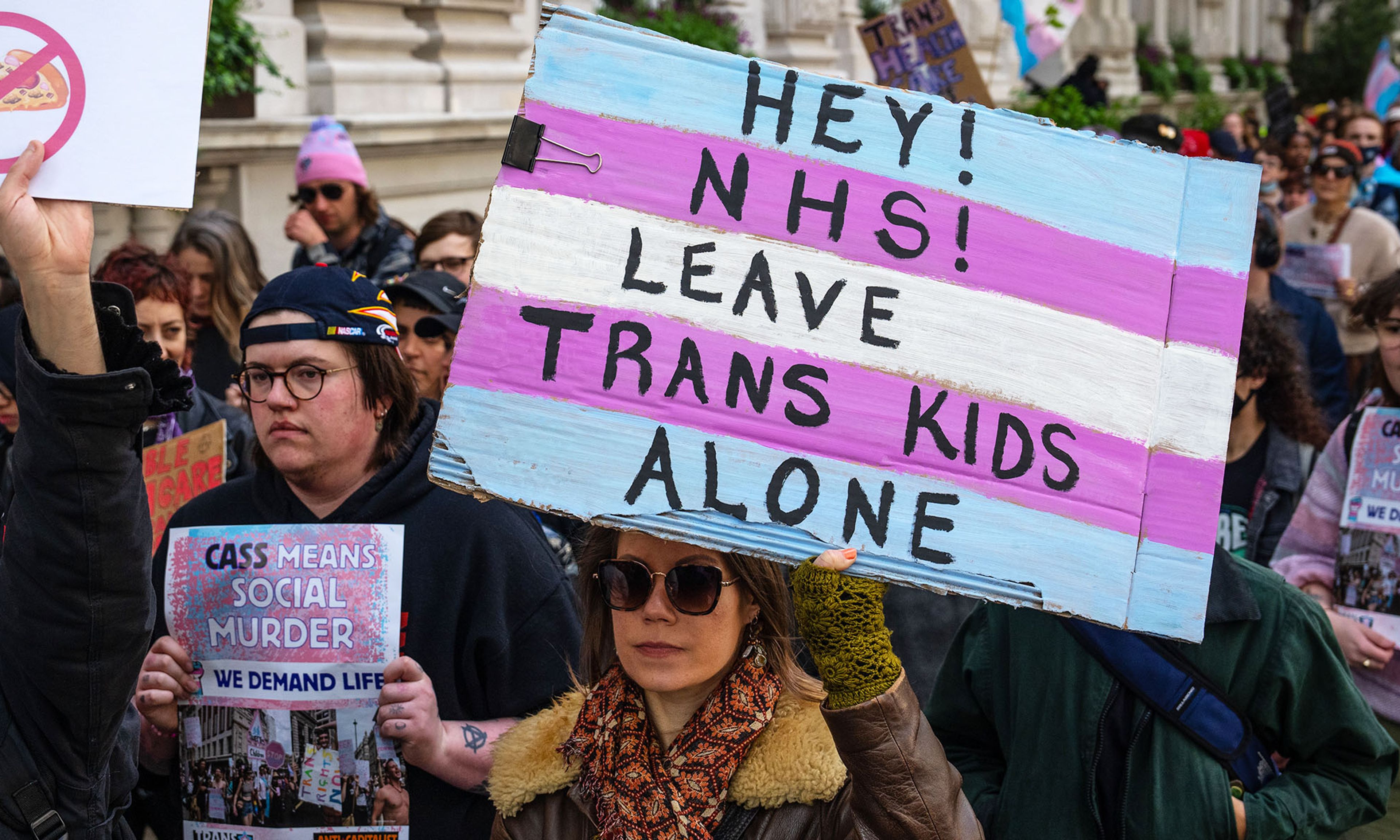
Here’s a bit of background context for the Americans who haven’t followed the developments abroad: NHS England commissioned an independent review known as the “Cass Report” to evaluate gender-related medical care for minors, which concluded in 2024 that existing studies on the topic are of “poor quality” and there is “very limited evidence on the longer-term outcomes” associated with medicalized transition. (The findings are similar to those in the U.S. Health and Human Services’ umbrella review that was published last year.) The Cass Report, led by Hilary Cass, cites a previous systematic study that showed puberty blockers compromised bone density and found “no changes in gender dysphoria or body satisfaction,” and the report further notes a range of irreversible side effects. Cass and her team recommended a “tiered approach” that “addresses urgent risk,” alleviates mental-health issues to improve decision-making, and develops a plan that may involve “any combination of social, psychological and physical interventions.” In response to the review’s publication, the government indefinitely banned puberty-blocking drugs (sometimes referred to as “puberty suppressing hormones” in the United Kingdom) as a treatment for minors with gender dysphoria, except in clinical trials, due to the “unacceptable safety risk.” Wes Streeting, who was then serving as the health and social care secretary, announced at the time that a clinical trial would be established to further examine the effects of puberty blockers.




Comments