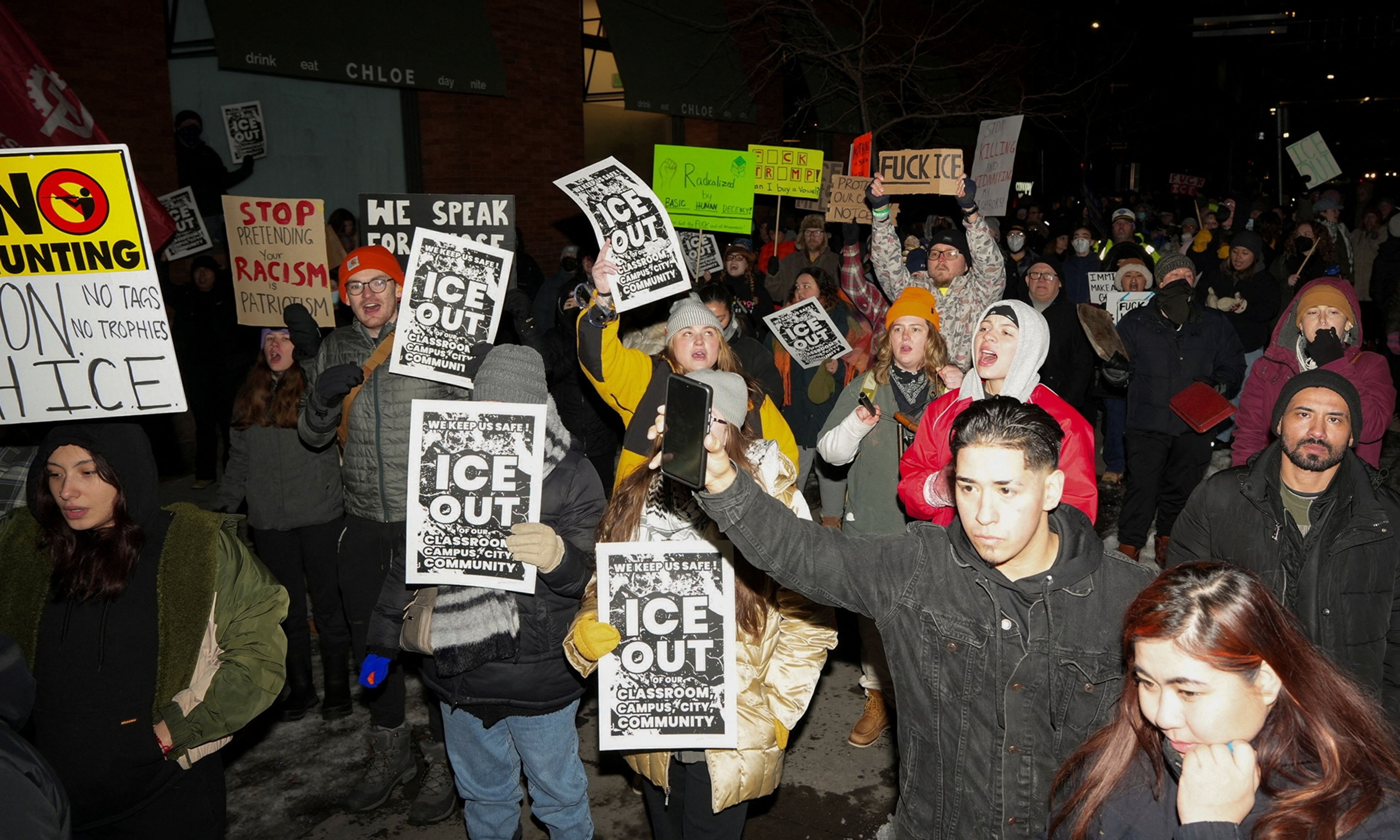
Democrats in Minnesota, Oregon, and other blue areas have leaped at the political opportunity presented by the ICE shooting of Renee Nicole Good to demand what they were already advocating all along: the complete removal of federal immigration enforcement from their jurisdictions, thus ensuring an end to deportations of illegal aliens in those places. Their argument is that the confrontation that led to Good’s death was an inevitable consequence of the Trump administration’s broad dragnet and aggressive street-level tactics in rounding up illegal aliens for deportation. More sophisticated critics, such as Jeremiah Johnson in The Dispatch, argue that Good’s death “was the inevitable outcome of an immigration enforcement apparatus that has been poorly trained, sheltered from consequences, and empowered to behave recklessly.”
With a different set of facts, these critiques might have some validity. Large-scale deportations require a lot of law-enforcement interactions with people who very much don’t want to be apprehended, some of them violent, others just desperate. That greatly increases the odds of violence (and is only a modest preview of what the left’s preferred gun-confiscation policies would look like). There are very fair policy debates over whether the benefits of such a broad deportation policy really outweigh the costs. And there are genuine and fair concerns that ICE, having staffed up very rapidly, has recruited too many sketchy people and trained them inadequately — concerns that don’t necessarily nullify the legitimacy of the mission of deporting a lot of people who are in the country illegally.





Comments