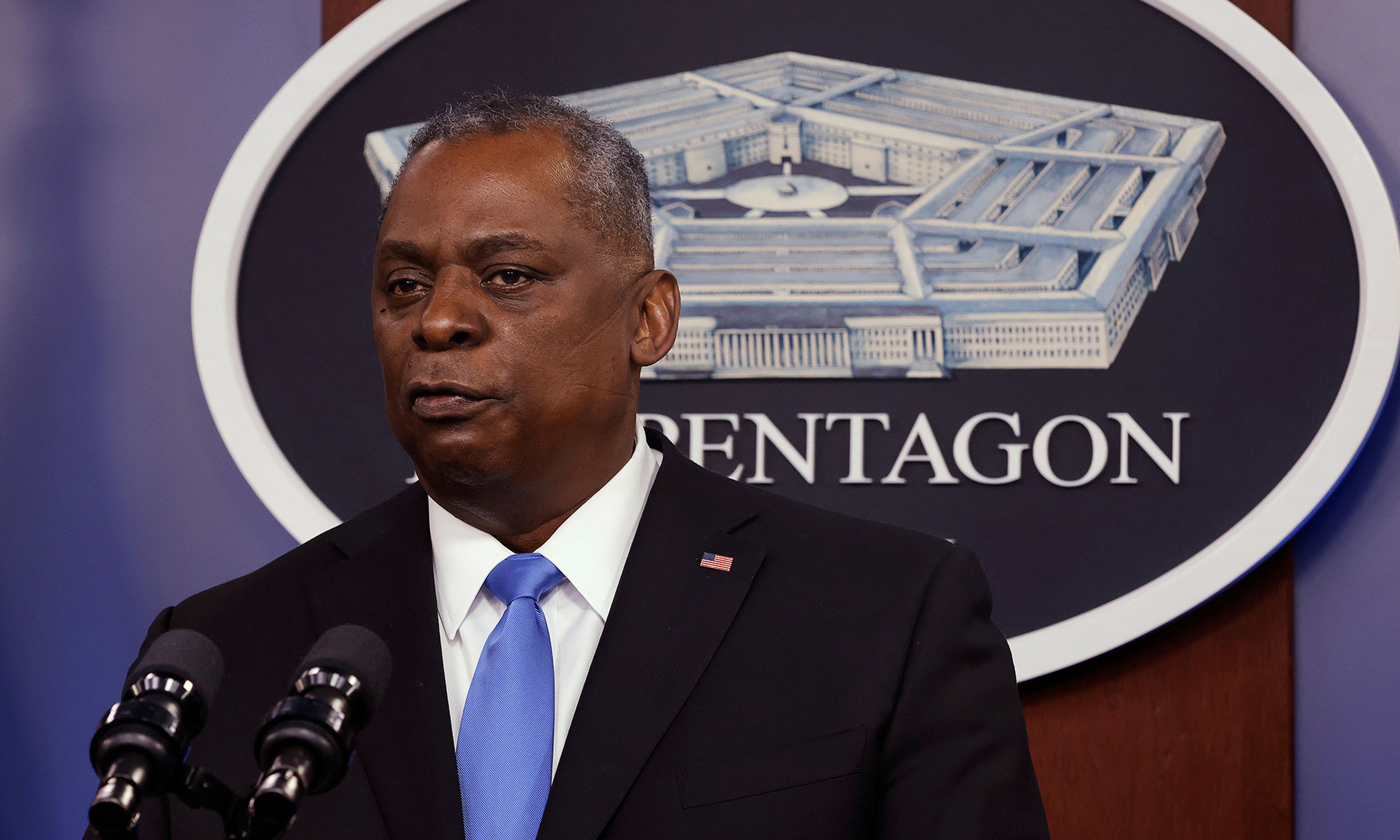
Following a meeting with top Pentagon officials last week, newly confirmed Defense secretary Lloyd Austin directed a Department-wide “stand down” to address the issue of extremism and white supremacy in the ranks of the U.S. military. This comes after multiple news outlets reported that a handful of veteran and active-duty military members were active participants in the mob that stormed the U.S. Capitol building. While Pentagon press secretary John F. Kirby remained adamant that “the vast majority of men and women who serve in uniform and the military are doing so with honor, integrity, and character,” he said the issue of members with extremist viewpoints is “not an insignificant problem and has to be addressed.” While the efforts by Secretary Austin are well-intentioned, it is common knowledge what the road to hell is paved with.
Indeed, looking closely into this order raises serious doubts as to whether it will work in the way intended. According to Kirby, the stand-down will occur over the course of the next several months and will require military leaders to take time from normal military operations to “have these needed discussions with the men and women of the force.” It’s possible that this will go further than having personnel sit through a 50-slide PowerPoint and take a five-question quiz to demonstrate that a modicum of knowledge was imparted, a familiar experience for those of service backgrounds. But there’s reason to suspect a bit more. In a memorandum addressed to senior Pentagon leadership and Department of Defense directors, Secretary Austin outlined that all commanding officers and supervisors within the Department would be required to conduct this one-day stand-down event within 60 days of the memorandum’s release. The topics of discussion, while mostly left to the discretion of military leaders, should include “the importance of our oath of office; a description of impermissible behaviors; and procedures for reporting suspected, or actual, extremist behaviors in accordance with [Department of Defense Instruction 1325.06].” But it’s not clear what beliefs or activities will fall under the umbrella of “extremist ideologies.” Given the tumultuous and partisan moment in which Americans find themselves, it’s an open question whether this exercise is less concerned with actual hate groups than simply with those holding unfavorable political views.



Comments