
Copyright law has long aimed to protect creators’ rights and incentives while also giving people access to knowledge and creative works. The U.S. Constitution laid the foundation for this legal protection: copyright exists to “promote the Progress of Science and useful Arts” by giving authors exclusive rights to their works for a limited time.
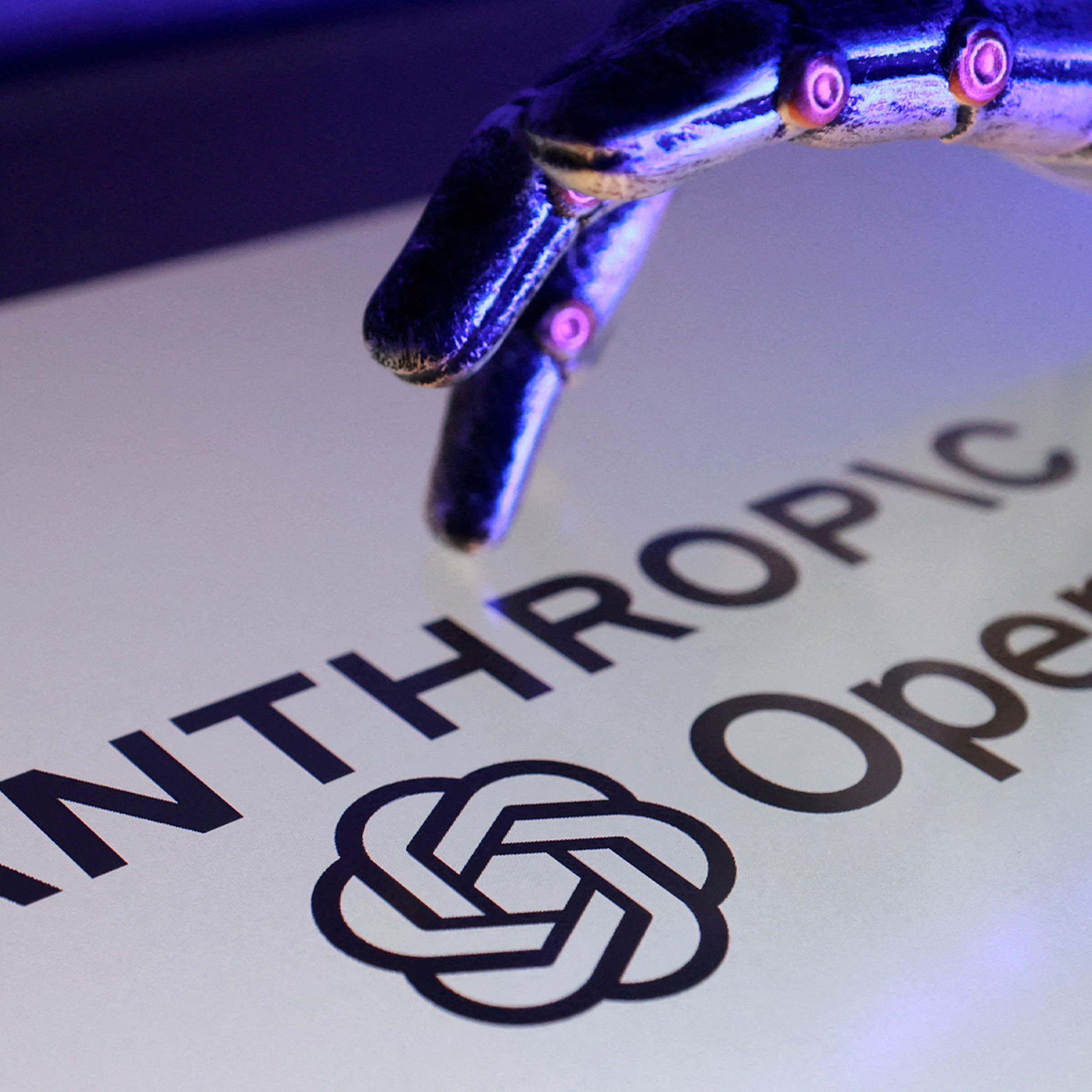
Generative artificial intelligence (AI) is testing how those principles apply to a new technology. AI models are increasingly powerful tools that can create text, images, and other content. However, they rely on existing material for training, much of which is copyrighted. As AI advances, creators and AI companies are increasingly facing legal battles over how that material can be used. Creators argue that companies are using their work without permission to build commercial AI systems, while AI companies argue that training models on copyrighted works constitutes transformative fair use under existing copyright principles.



Comments