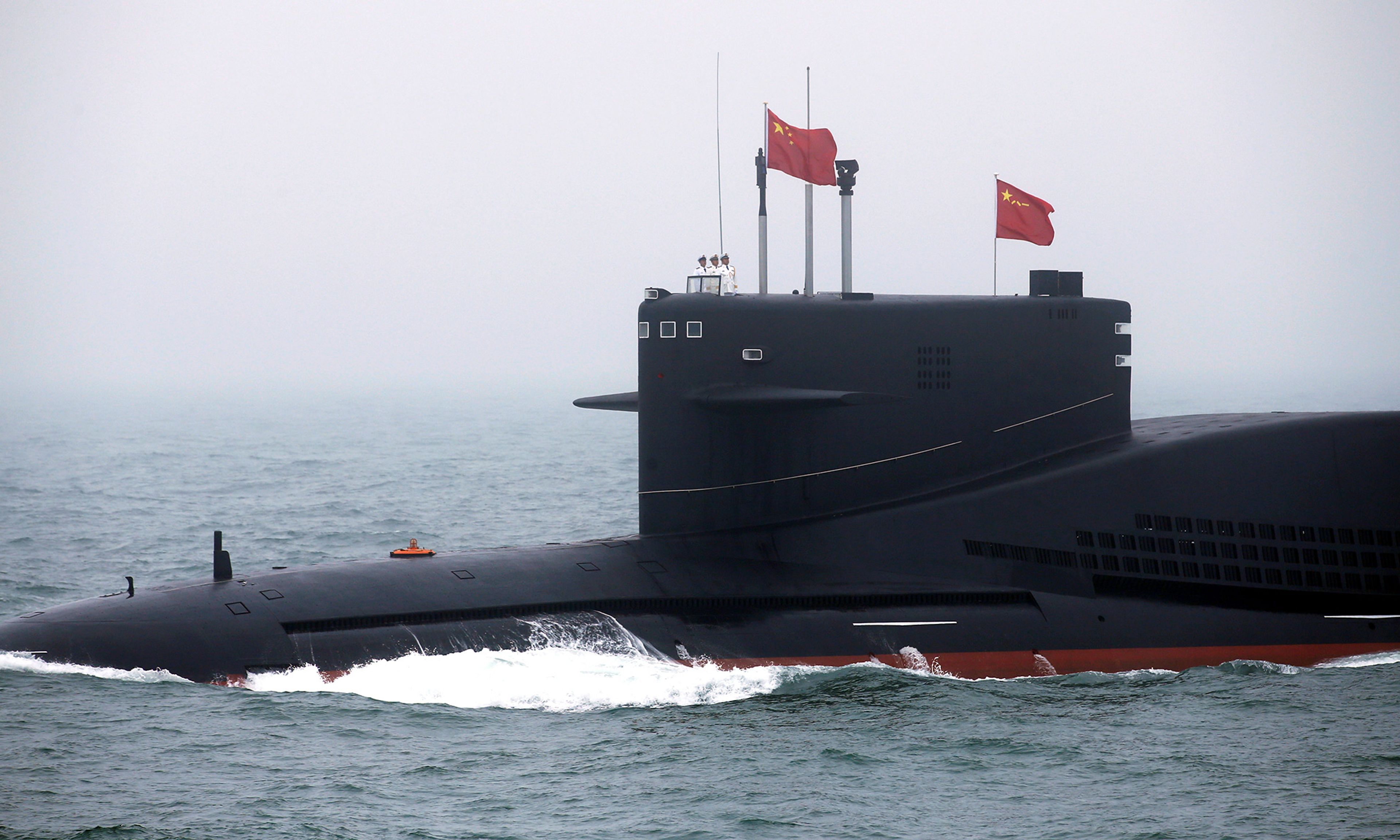
China’s accelerating military modernization has spurred a growing fatalism among some defense experts, maintaining that Taiwan is undefendable and the United States should save face by competing elsewhere with Beijing. Strategists on the other side argue that the deteriorating cross-strait military balance demands a near-wartime mobilization to prevent an invasion of Taiwan and subsequent collapse of U.S.-led alliances. Unfortunately, both approaches are likely to fail due to the changing character of military confrontations, and focusing on them will divert resources away from a realistic path to deter China that stokes uncertainty and nullifies the benefits of aggression.
The autocracy that enables the Chinese Communist Party (CCP) to prioritize security spending and fuse civil and military action also makes the regime brittle. Unfortunately, the main approaches to deterrence taken in recent U.S. defense strategies — punishment and denial — do not exploit this vulnerability.



Comments