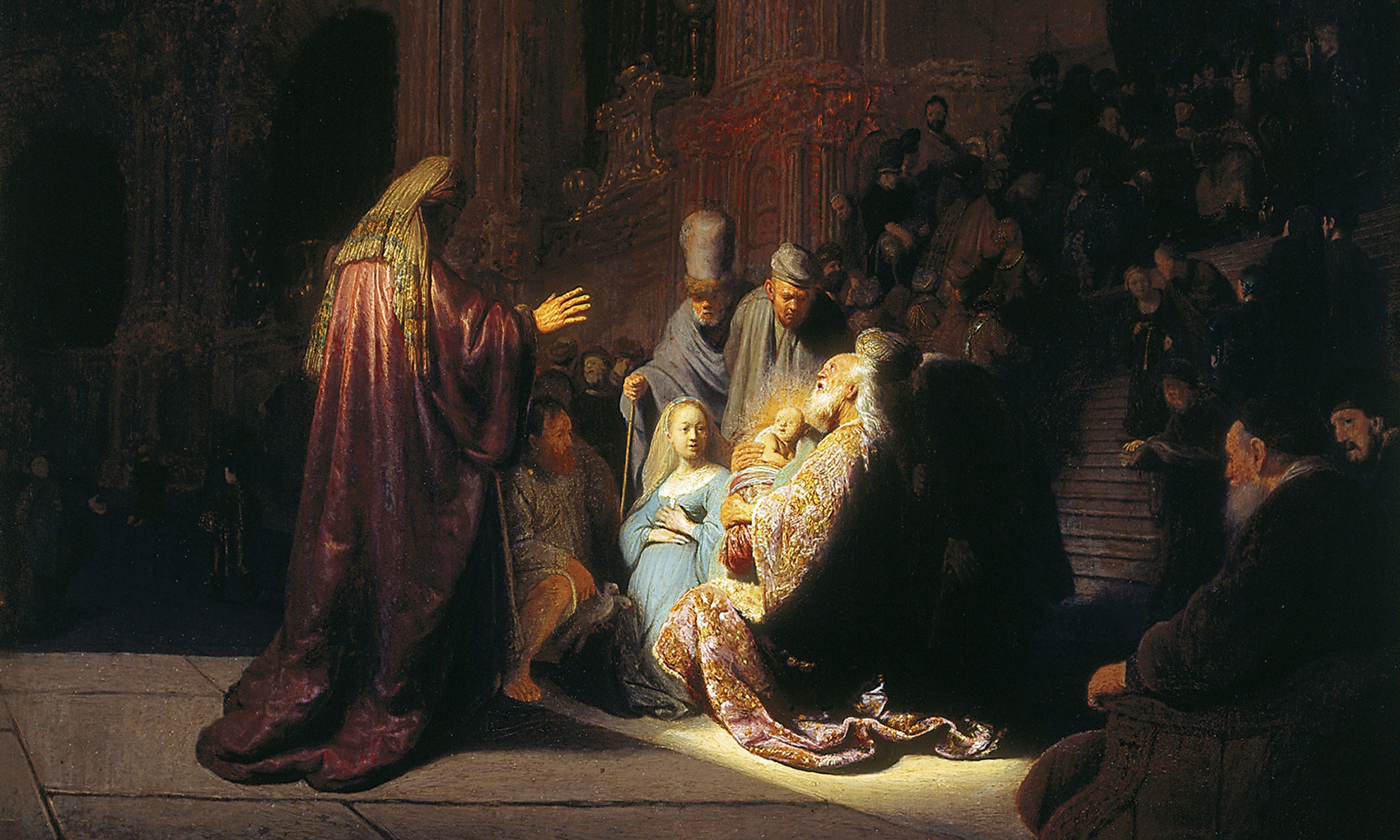
In 1944, the English poet W. H. Auden published his Christmas oratorio, “For the Time Being.” The sprawling work was never fully set to music. Yet, it has become a classic work read by many each Advent and Christmas. It tells a tale that’s historical, metaphysical, political, and spiritual — one that’s singularly focused on the incarnation of Jesus Christ. Auden’s oratorio includes a meditation from the Biblical character Simeon. We know him from Luke’s Gospel: Simeon sees the baby Jesus in the temple, fulfilling God’s promise to him that he’d witness the Messiah before dying.
Auden’s Simeon says much more than what’s provided in the Gospel narrative. It provides a much-needed perspective on contemporary times, tempering our fears and reforming our misconceptions in the light of Christ’s birth.





Comments