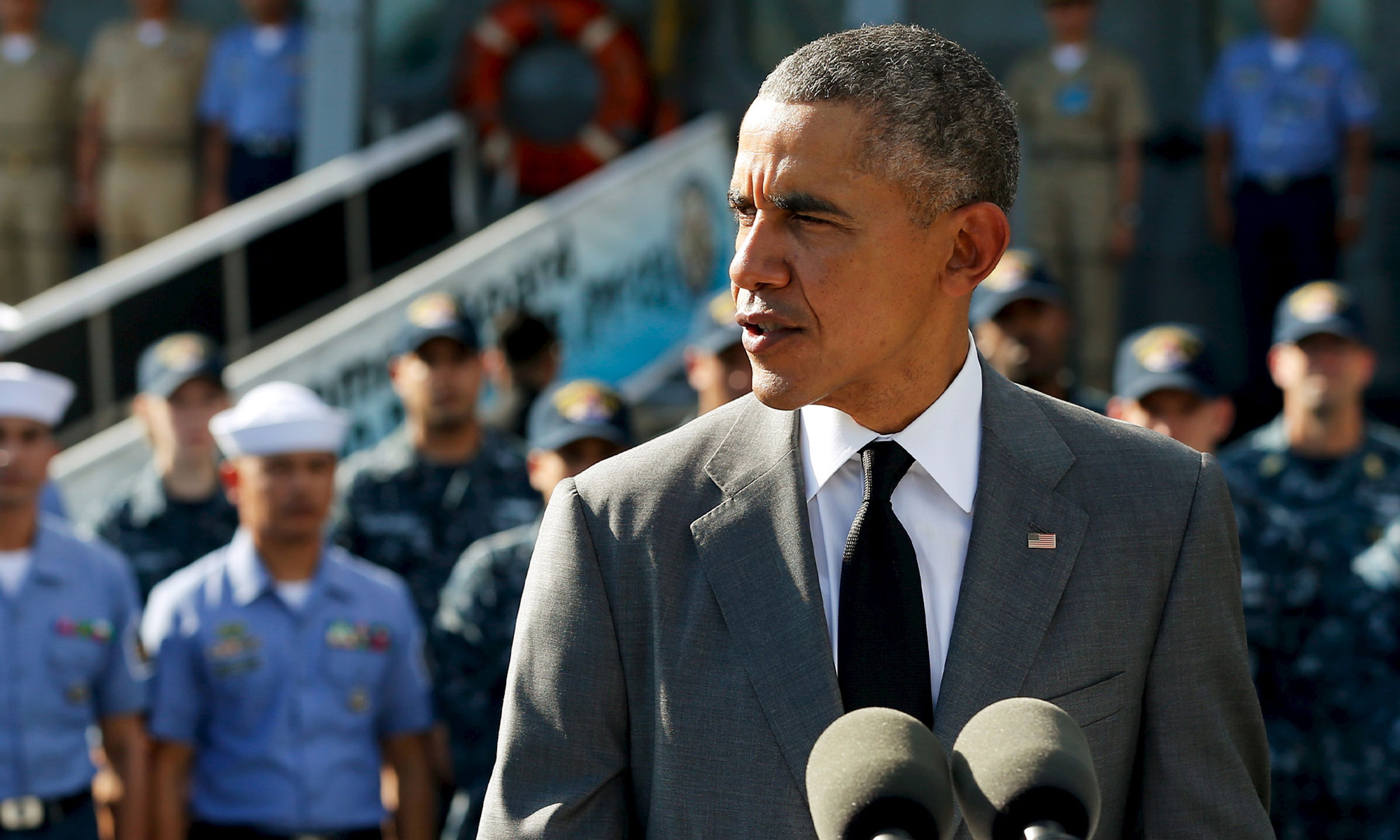
Barack Obama’s deputy national security adviser, Ben Rhodes, tried to put a brave face on things. “We see this trip as really bringing together a number of the President’s top priorities really for the last seven and a half years,” he told reporters ahead of the president’s sojourn to a G-20 summit in China just weeks before the 2016 election. There was, however, no salvaging the president’s vaunted “pivot to Asia.” That was a dead letter.
By September 2016, the twelve-country Trans-Pacific Partnership, a free-trade bloc aimed at pressuring China to reform its trade practices if it wanted access to Pacific Rim consumer markets, had become the target of bipartisan demagoguery. It would soon be abandoned. The goal of augmenting America’s blue-water Navy had floundered, as had the effort to shift U.S. assets to the Pacific. Near the end, Obama’s political appointees were fighting a public battle with the Pentagon over whether it would be provocative and counterproductive even to transit maritime assets through the South China Sea — an indication of the degree to which the 44th president’s brain trust believed the “pivot” should eschew confrontation in favor of inking climate accords with Beijing.





Comments