
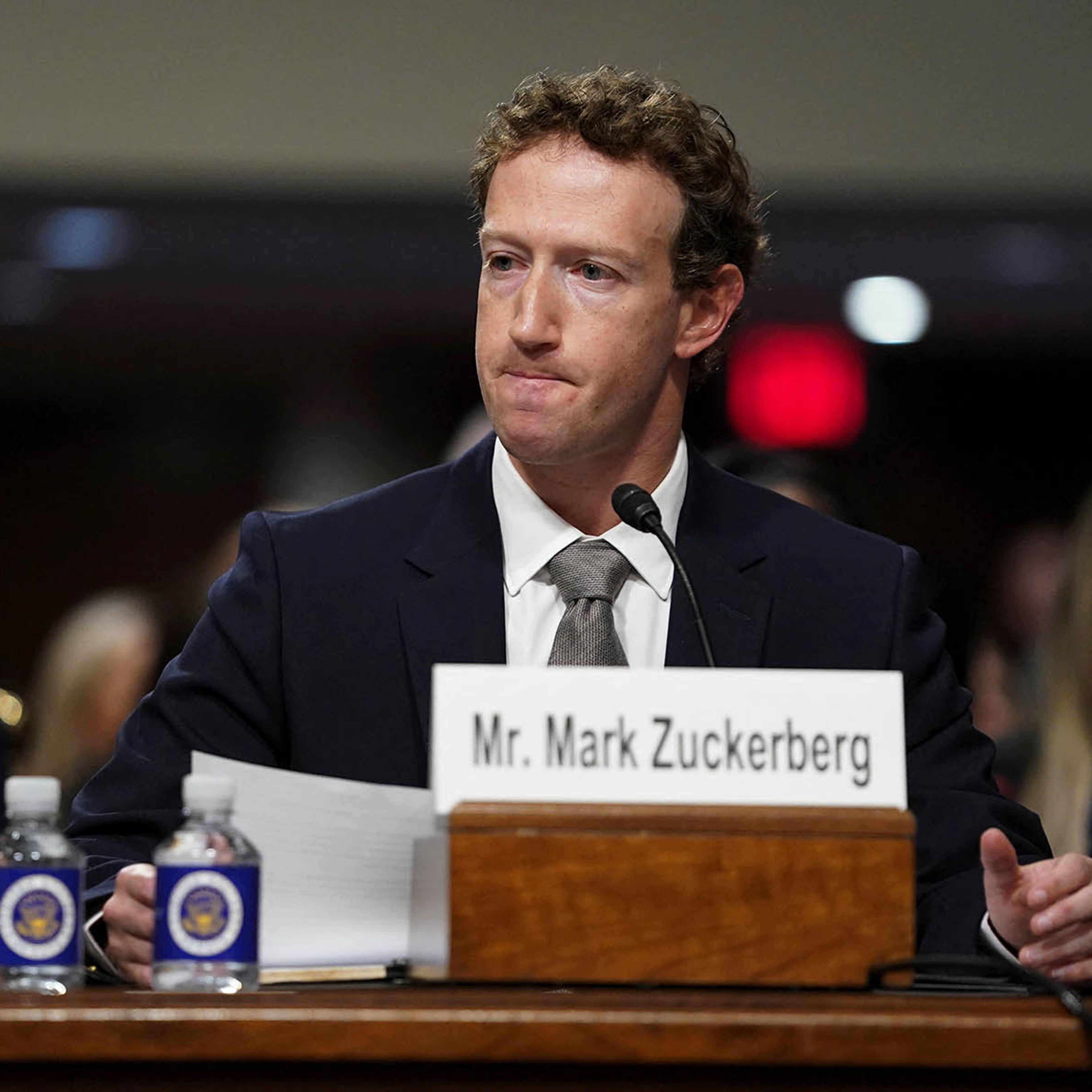
Children’s online safety was a matter of paramount importance to lawmakers in Washington and in state capitals last year. Congress has considered many bills to counteract the proliferation of child sexual-abuse material (CSAM), efforts typified by such legislation as the EARN IT Act (Eliminating Abusive and Rampant Neglect of Interactive Technologies), a brainchild of the Senate Judiciary Committee. Later this month, the CEOs of several major social-media platforms will appear before this committee to discuss the issue.
Despite their good intentions, advocates of the approach distilled in the EARN IT Act commit the most elementary of policy analysis: “X is a problem, legislators say their bill will solve X, therefore their bill should be passed.” This reasoning raises the critical question: Will the proposed policy actually solve the problem? Unfortunately, EARN IT and similar pieces of legislation would fail to protect children online. Instead, the bills would build an ineffectual system that would deflect focus from criminals and expose at-risk minors.



Comments