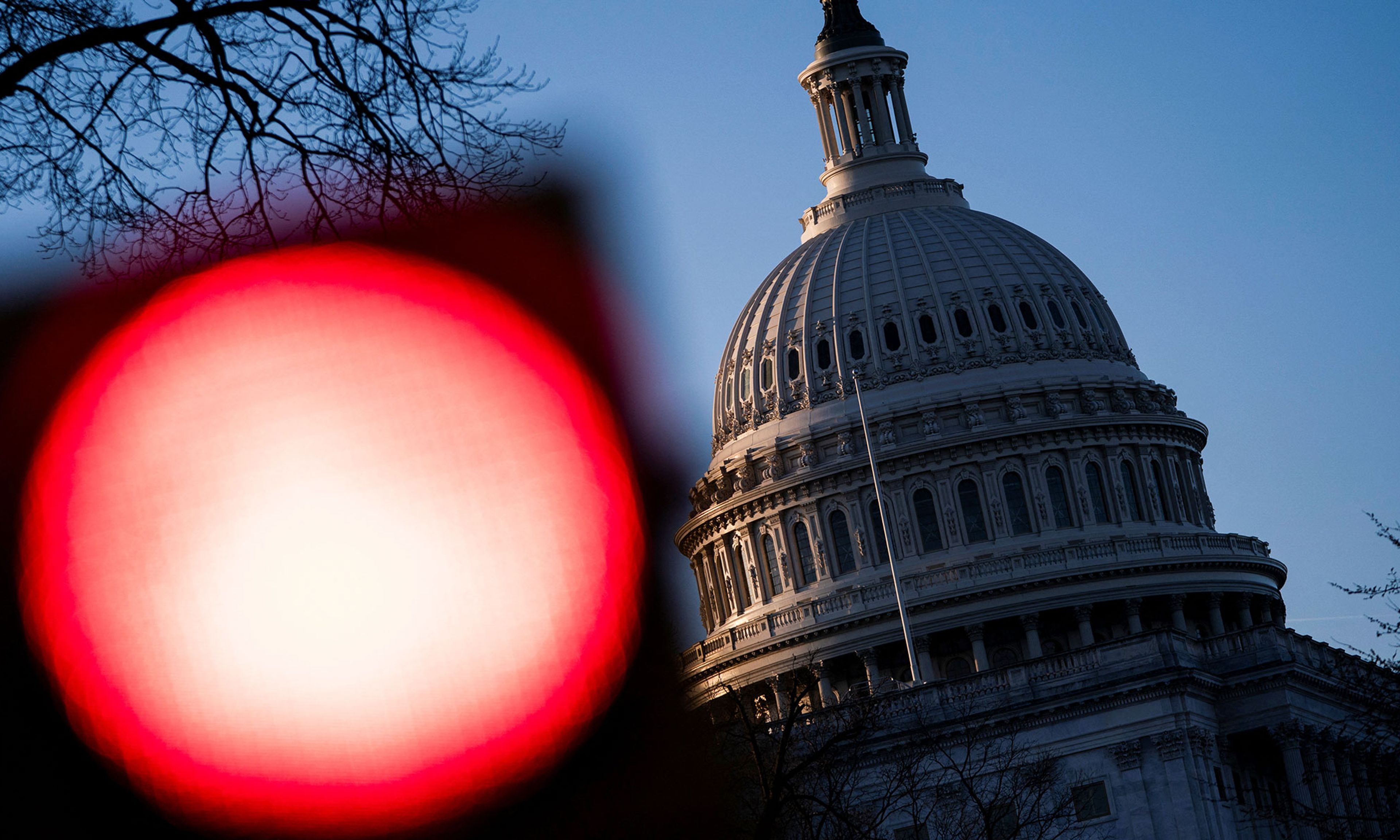
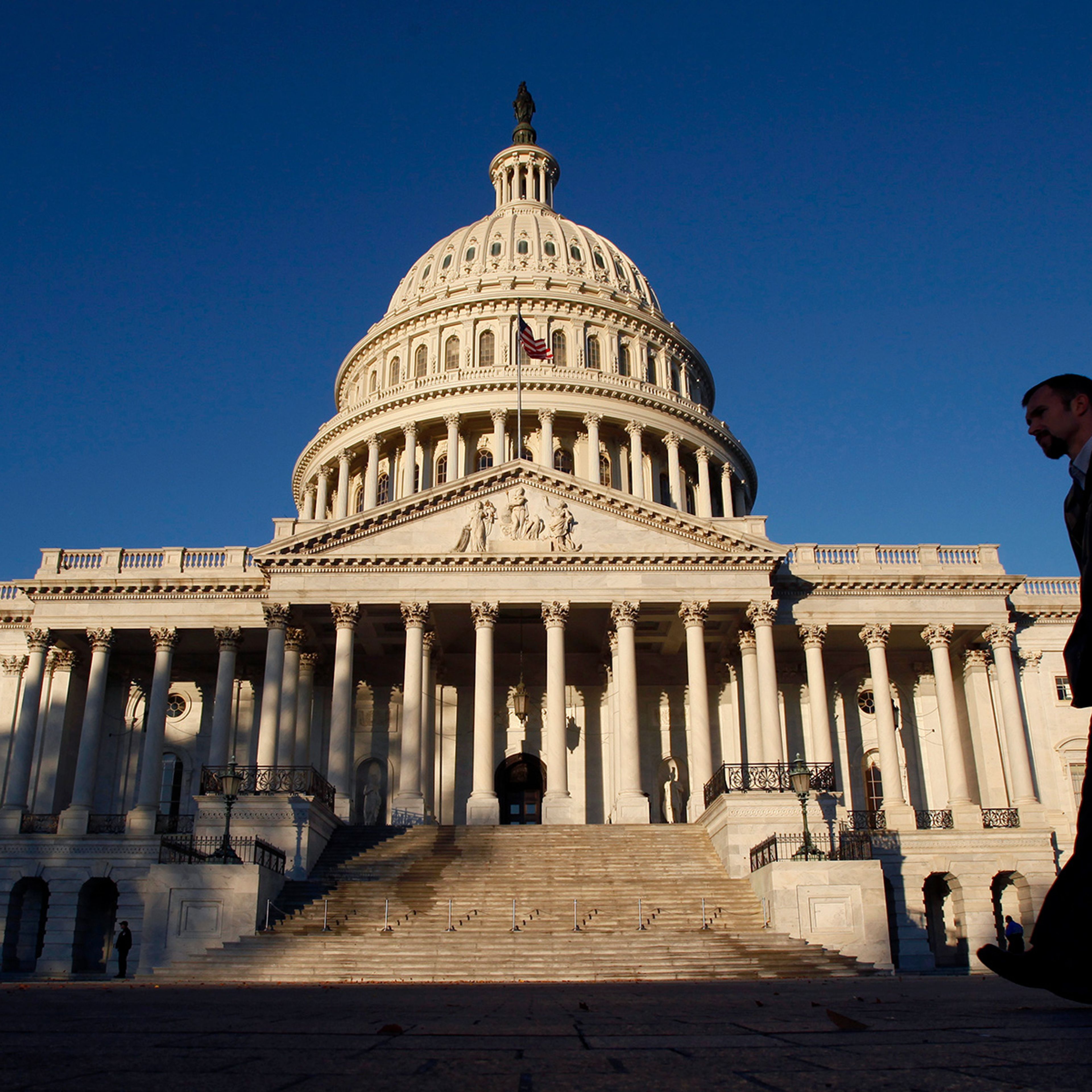
America used to go through long periods of mostly durable congressional majorities. Political analysists talked about “sun and moon” parties in the American system. Those cycles began dramatically speeding up after 2006. Big-change elections that coincide with a presidential race can bring in a Congress that might have a significant majority, as in 2009 or 2015, but not an enduring one. Since 2019, majorities have been tiny.
Congressional midterm elections have always been a partial referendum on the performance of the president. But now they are little else, and the dynamic seems to be self-reinforcing. Legislators now pass something like the One Big Beautiful Bill Act, or a giant omnibus. Negotiation is behind closed doors and done by party leadership. There’s a little brinkmanship about the continuing resolutions or the debt ceiling. What there isn’t is a regular legislative agenda capable of seriously and substantially altering policy. Without a regular menu of legislation, individual lawmakers have fewer opportunities to distinguish themselves from the national party or on any individual issue their district cares about.

Comments