There’s a long-running debate among observant Jews about whether it is appropriate, in Jewish law, to establish days of mourning and fasting to commemorate individual calamities that have befallen the Jewish people. Certain events — the Holocaust chief among them — are so catastrophic that the State of Israel, after considerable discussion, instituted national days of remembrance that now carry religious significance for many observant Jews. But Jewish religious authorities have always recognized that the bar to establish a day of mourning must be high. If Jews were to commemorate each and every national tragedy on its anniversary, the calendar would soon become overrun with them — days not dedicated to mourning would become the exception.
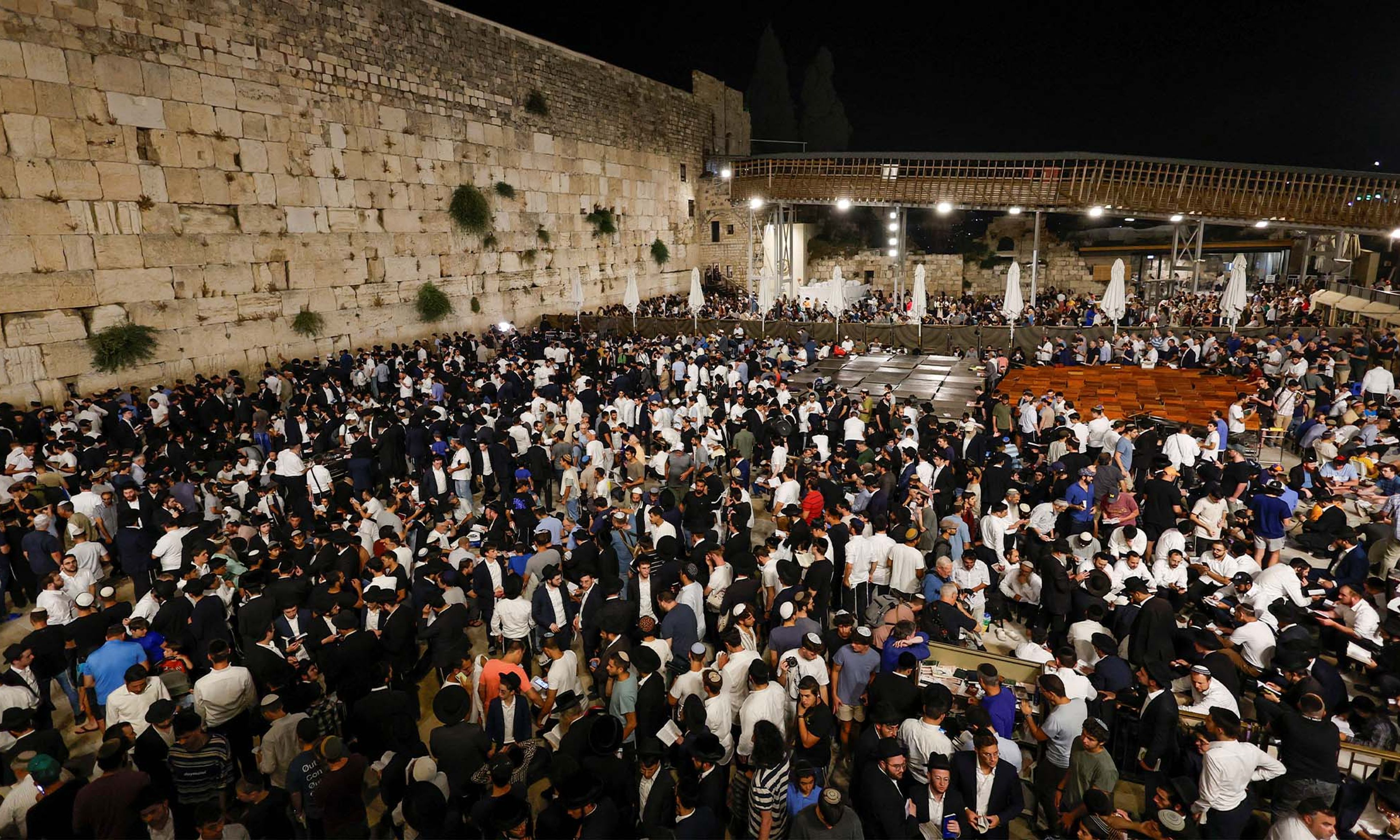
The many tragedies of Jewish history are therefore all commemorated on a single day — Tisha B’Av, the ninth day of the month of Av on the Jewish calendar. The saddest day of the year, its observance includes 25 hours of fasting, prayer, and mourning. Tisha B’Av began yesterday at sundown and continues until nightfall later today. And this year, the day is imbued with meaning as it has not been for decades.





Comments