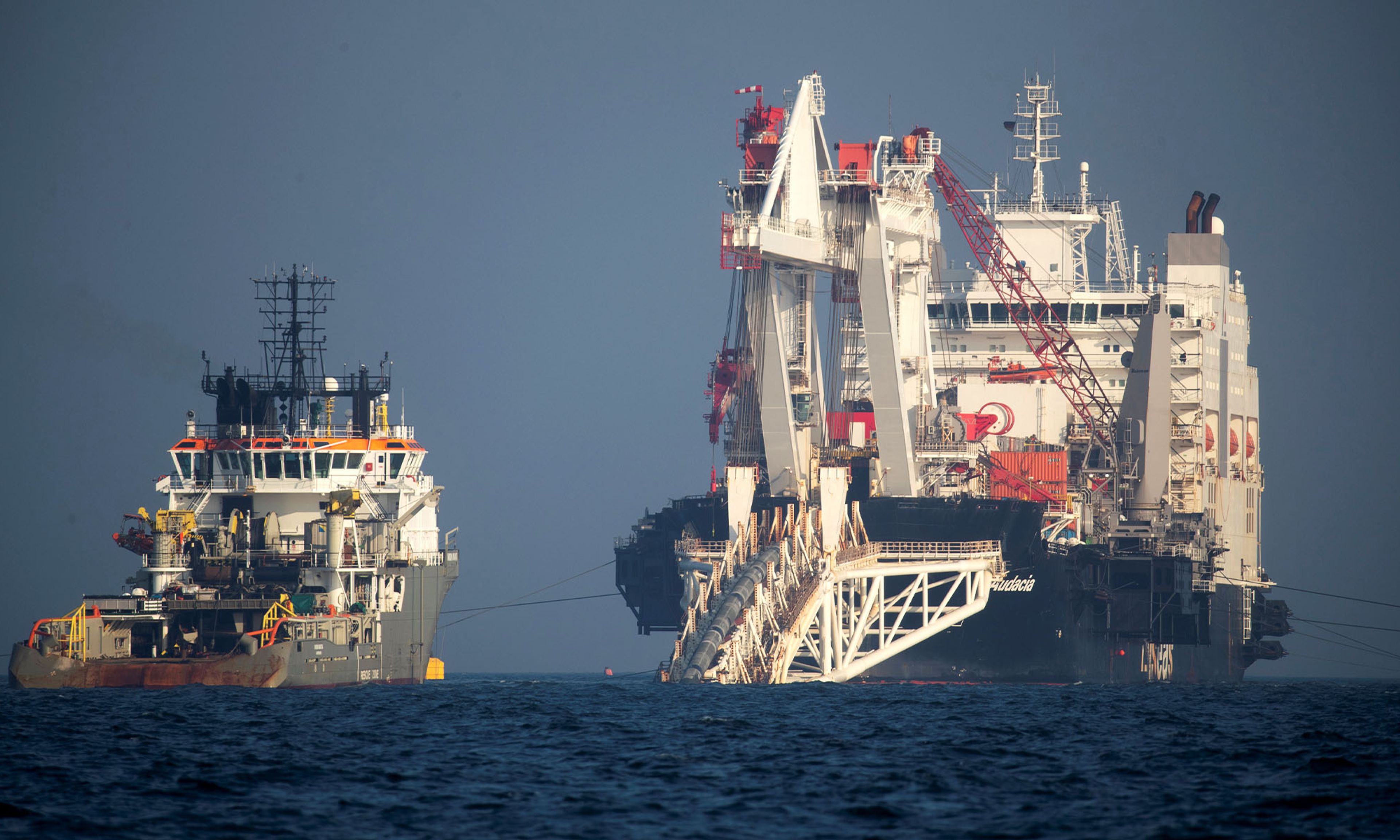
The past few weeks have seen plenty of news out of Yemen, where the Iran-backed Houthi rebels have been attacking commercial shipping and American warships in the Red Sea. But one aspect of their campaign deserves closer attention, as it may change warfare as we know it. In addition to attacking ships (one recently sank), the Houthis have destroyed four underwater cables in the Red Sea littoral. These cables, laid across the seabed, serve as key conduits between the billions of people who live in Asia, Europe, and Africa. At this time, about 25 percent of all internet traffic between those continents has been disrupted, while the companies that own the cables state that they will take months to repair. Houthi leadership has rejected the evidence of its culpability, but this is par for the course when it comes to undersea sabotage, a prime form of gray-zone activity.
And the world of seafloor warfare is just ramping up, given the target-rich environment. For all that we marvel athigh-tech wireless and space technology, the more mundane-seeming infrastructure that lies beneath the waves serves a much greater purpose. Undersea infrastructure is necessary for modern civilization, acting as both a source and a conduit of energy and as the nervous system of global communications. The West’s enemies realize this already, and are acting accordingly. If the West doesn’t catch up, it will lose out in a critical dimension of global security.





Comments