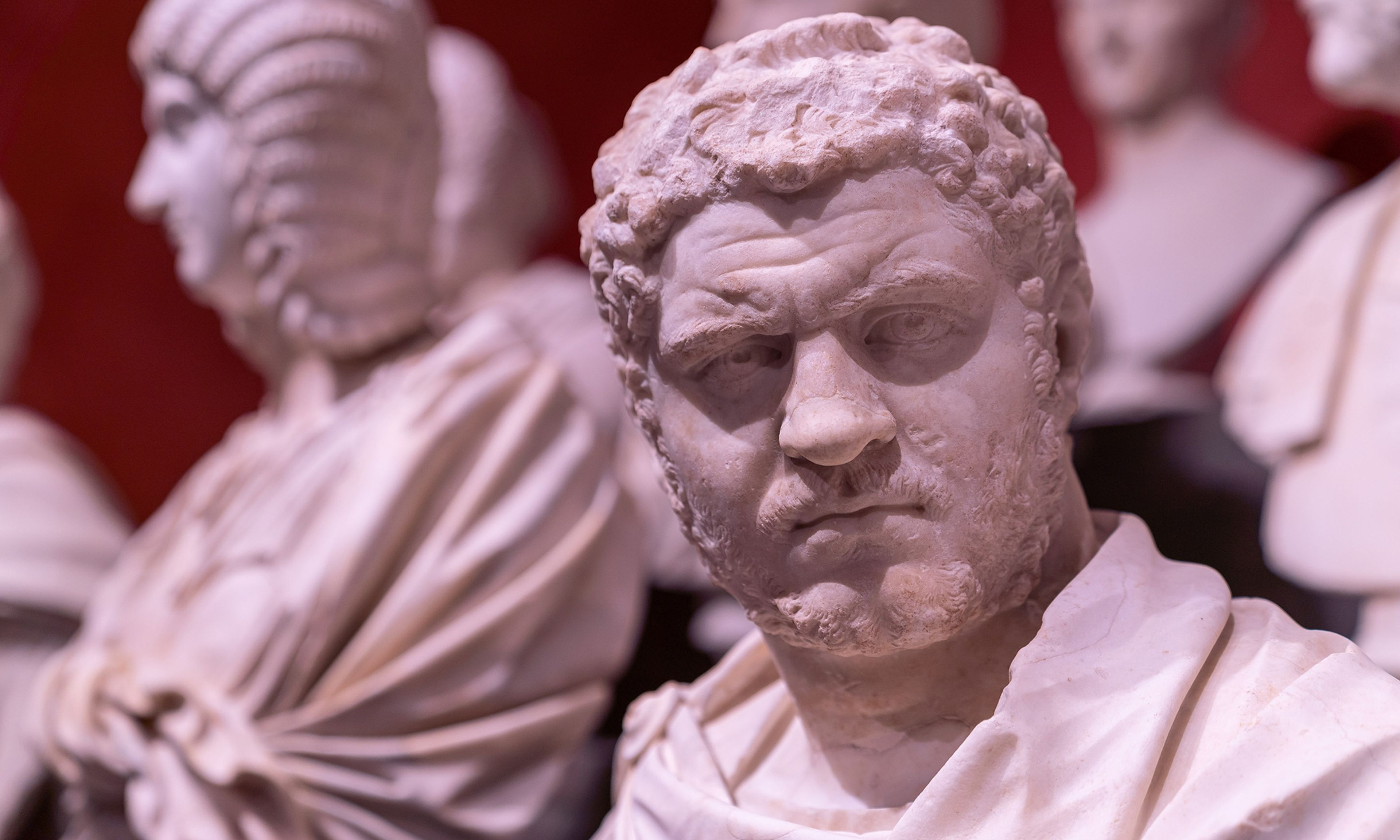
Today’s two most significant museum exhibitions, in aesthetic, scholarly, and historic terms, are The Torlonia Marbles: Collecting Masterpieces at the Capitoline Museum in Rome and Mythological Passions at the Prado, soon to be at the Isabella Stewart Gardner Museum in Boston. Both took years to plan and show exquisite art, one the best of ancient Roman sculpture and the other the best of Titian.
I wrote about the Torlonia show earlier this week and will write more in this story about the connoisseurship of Roman sculpture. An old Roman aristocratic family, the Torlonias own the finest collection of ancient Roman sculpture in private hands. The collection hasn’t been seen since 1976, so the exhibition of nearly 100 of the family’s 650 sculptures along with a sumptuous and important catalogue is, as it ought to be, a sensation.



Comments