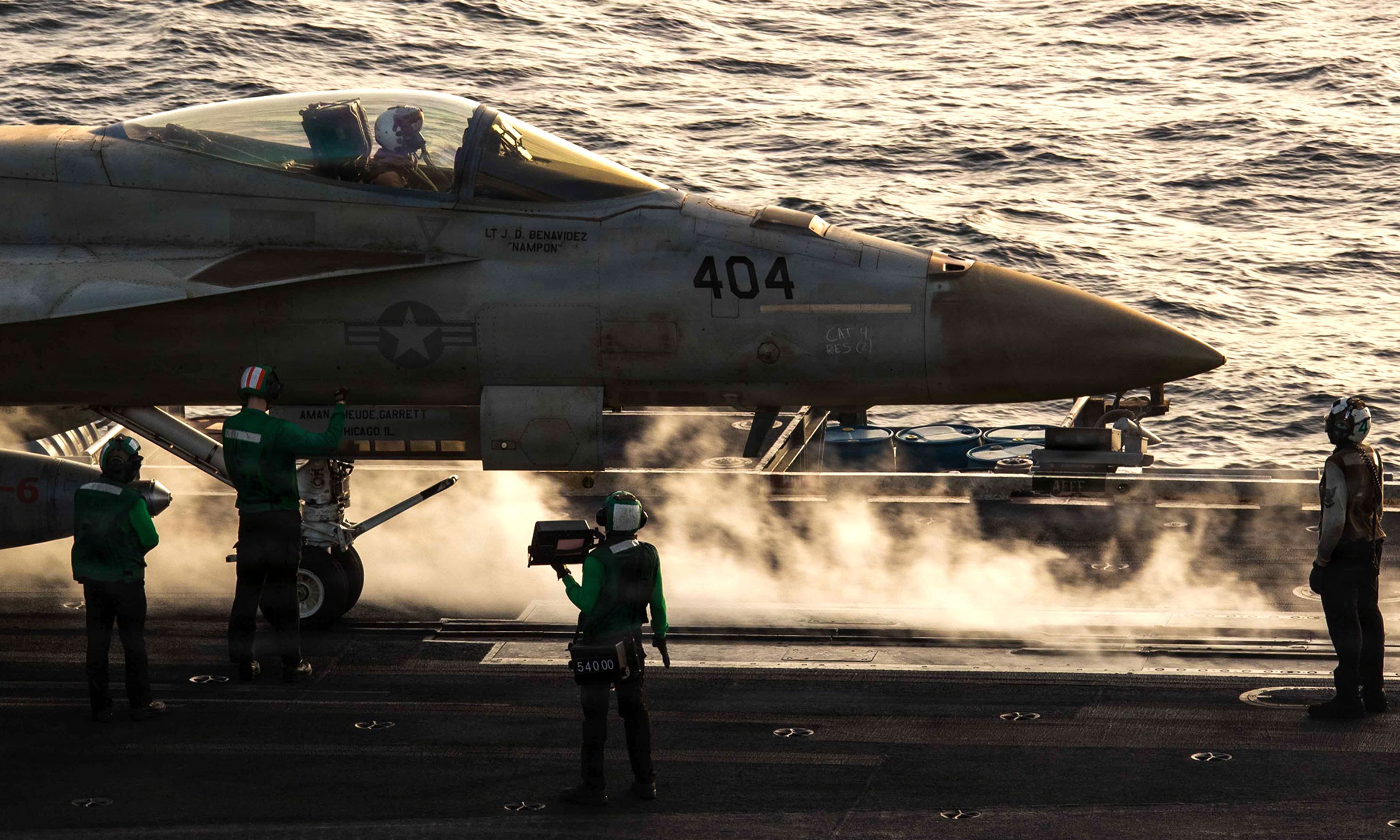
This past week, Asli Aydintaşbaş of the Brookings Institution wrote an essay in the New York Times that urges the U.S. not to “repeat Winston Churchill’s deadly mistake” at the Dardanelles — the strait linking the Sea of Marmara with the Aegean and Mediterranean Seas — and force open the Strait of Hormuz. That analogy is a strained one.
The Strait of Hormuz is geographically unlike the Dardanelles of 1915. At its narrowest point, Hormuz is roughly 21 miles wide, whereas the Dardanelles narrows to about 3.75 miles. That difference matters: Physically closing the Strait of Hormuz is more difficult, particularly when it comes to reliably employing weapons across the full channel. Furthermore, U.S. partners occupy one side of the strait, whereas the Ottomans commanded both shores, and U.S. Fifth Fleet/CENTCOM planners have decades of experience tracking local craft movements that could signal mine-laying preparations.





Comments