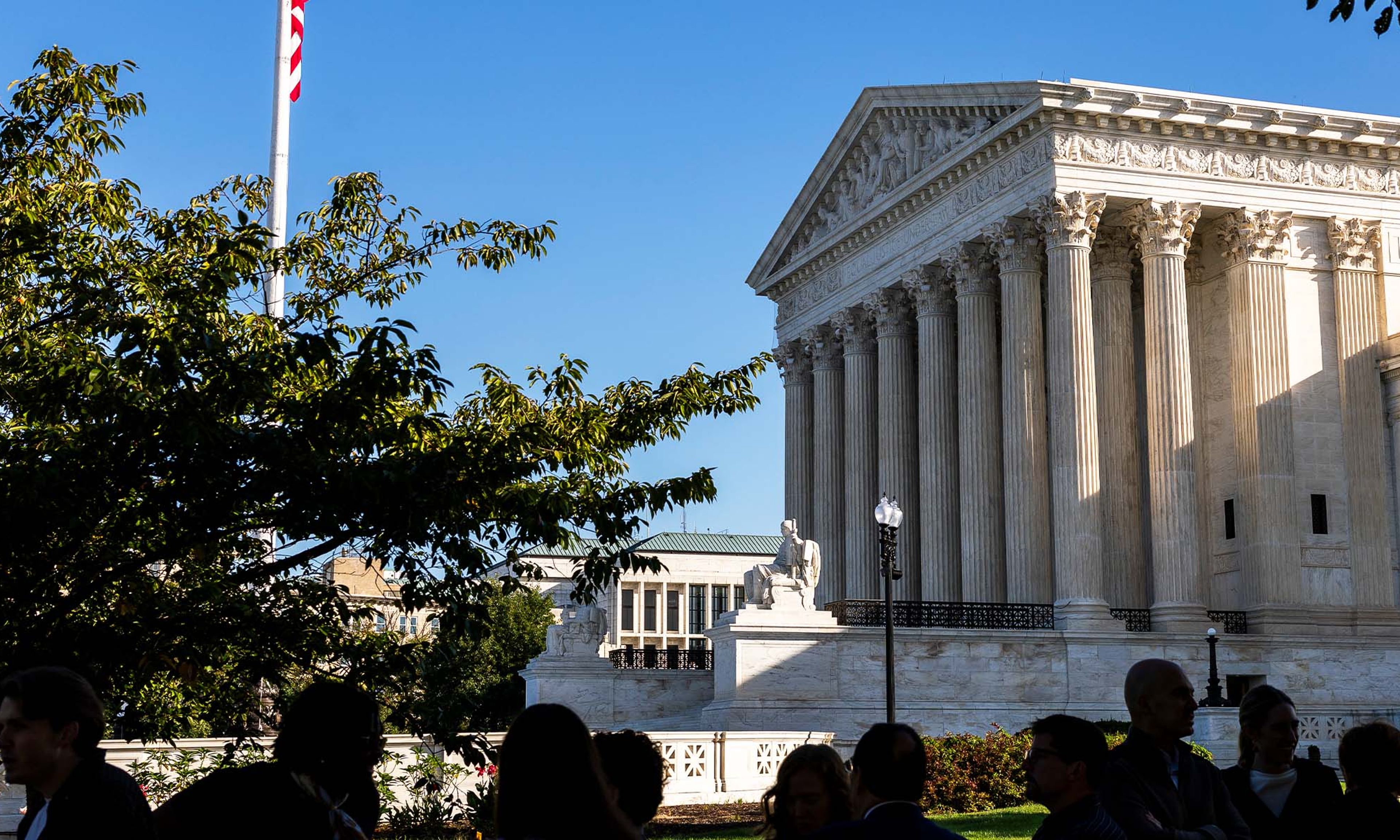
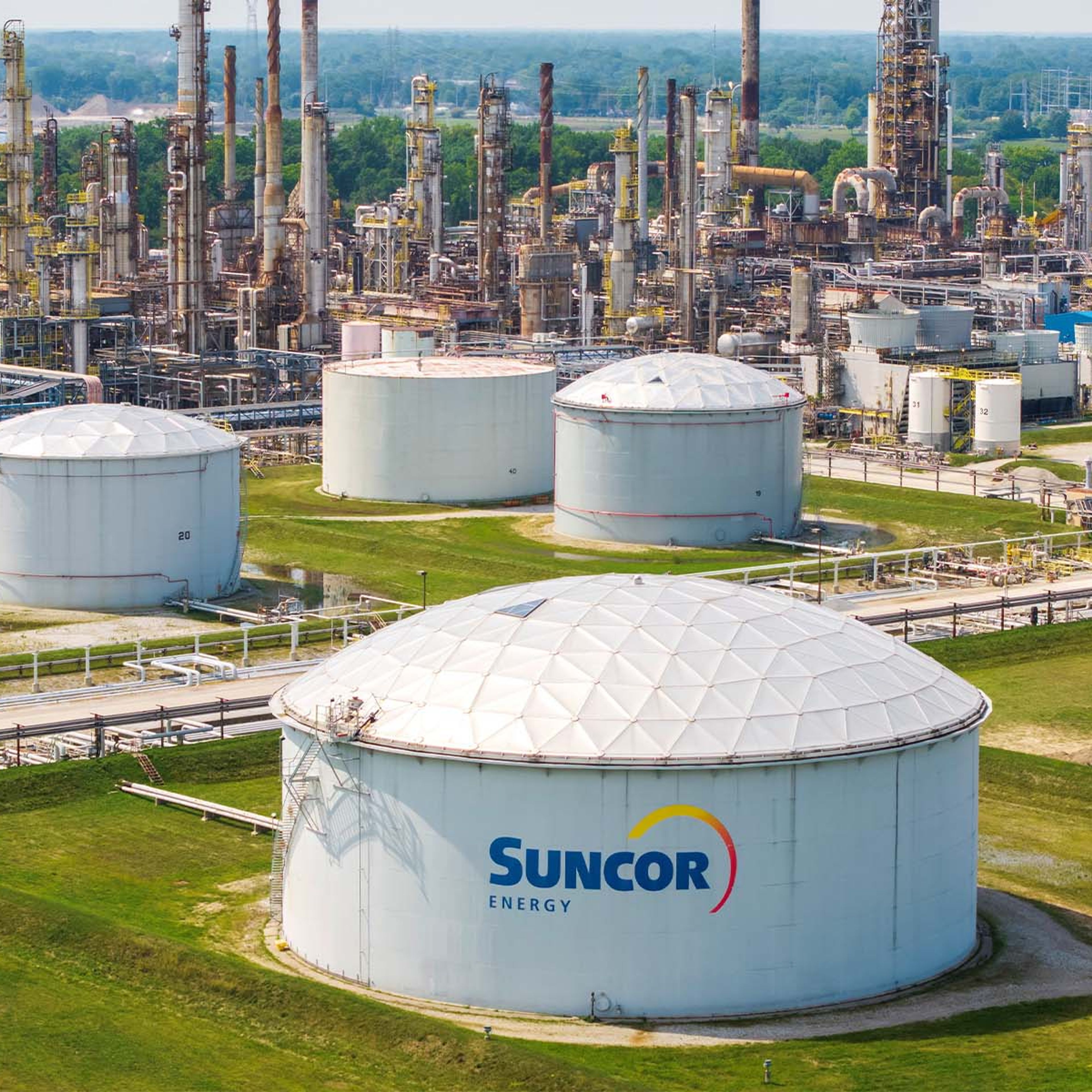
This week, Boulder County’s climate-change suit against Suncor and ExxonMobil finally reached the one court the climate plaintiffs spent a decade avoiding. Taking little interest in the Colorado county’s last-ditch jurisdictional bid to keep running, the Supreme Court justices seem poised to answer the question Boulder didn’t want them to ask. The plaintiffs were right to run, because it is a question they cannot win.
States’ tort laws typically hold a factory financially responsible if it emits toxic fumes that harm its neighbors. Those laws hold the same factory liable if, because of the factory’s fraudulent representations, neighbors don’t take reasonable precautions. Boulder is trying to employ the same laws to hold energy companies financially responsible for the climate-related effects of global emissions — every wildfire, flood, and drought.

Comments