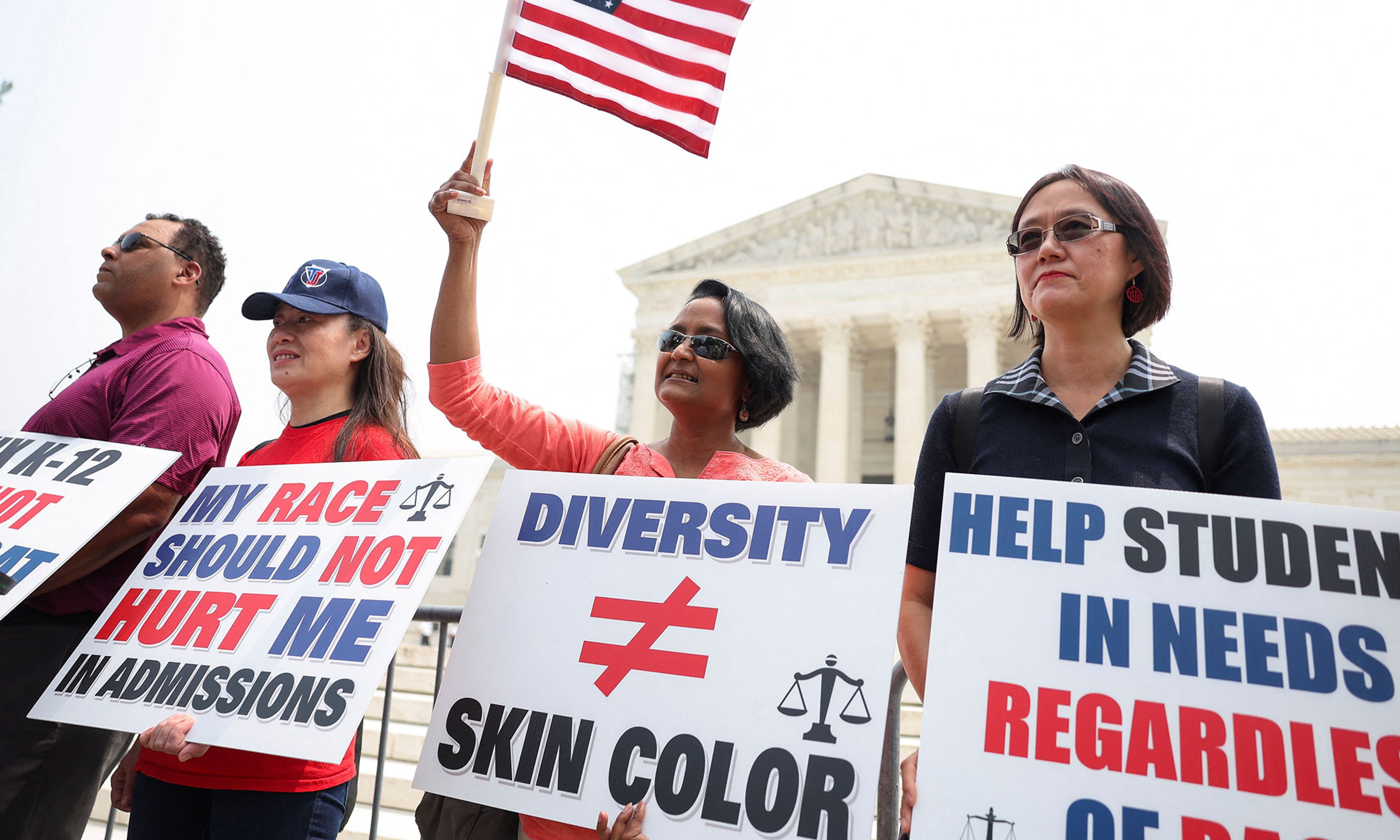
In every area of life, the Constitution and federal civil-rights laws forbid the government from using race in making decisions. Government cannot use race to distribute government funds, provide benefits, deploy police, run prisons or hospitals, or even protect the nation’s security through “racial profiling.” But the Court carved out one area from this fundamental colorblind principle. In Grutter v. Bollinger (2003), the Supreme Court created a special exception for admissions to colleges and universities. A majority in Grutter accepted the claim that colleges could use racial diversity as a proxy for intellectual diversity — which relies upon the stereotyping assumption that a student’s mindset depends on his or her race.
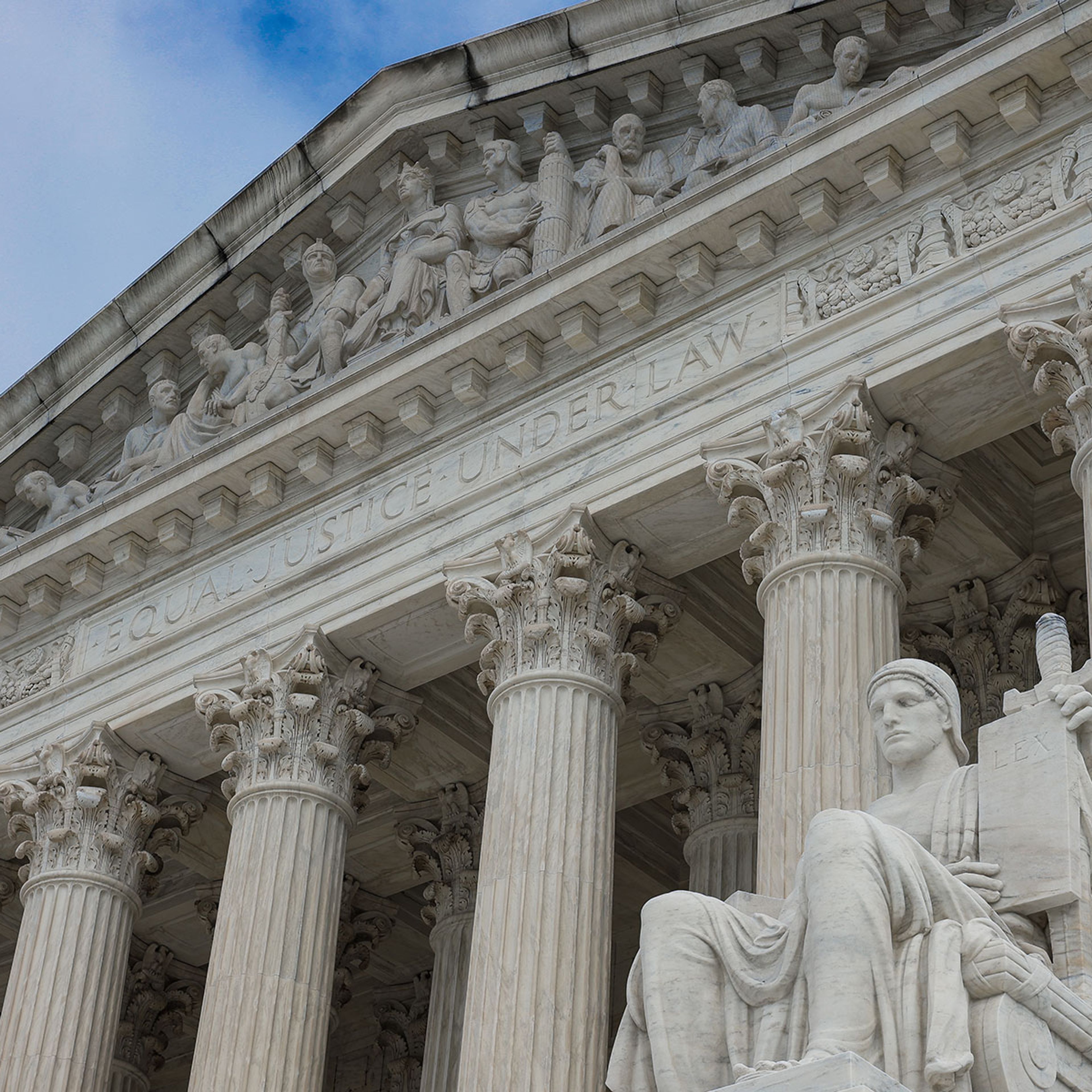
Yesterday, in Students for Fair Admissions v. Harvard, the Supreme Court finally cut this cancer out of constitutional law. In a monumental 6–3 opinion authored by Chief Justice John Roberts, the Court invalidated the race-linked admissions programs maintained by Harvard and the University of North Carolina. The Court affirmed the foundational constitutional principle of equality under the law, regardless of race. If the Court’s decision is respected and enforced, it is unlikely that any race-linked college-admissions program in any public university or federally funded private university would survive. It is quite likely that no faculty hiring or promotion in which race played a part will be legally permissible. The one sector in American society that had been exempt from legal rules banning the use of race — higher education — will be forced to transform itself.


Comments