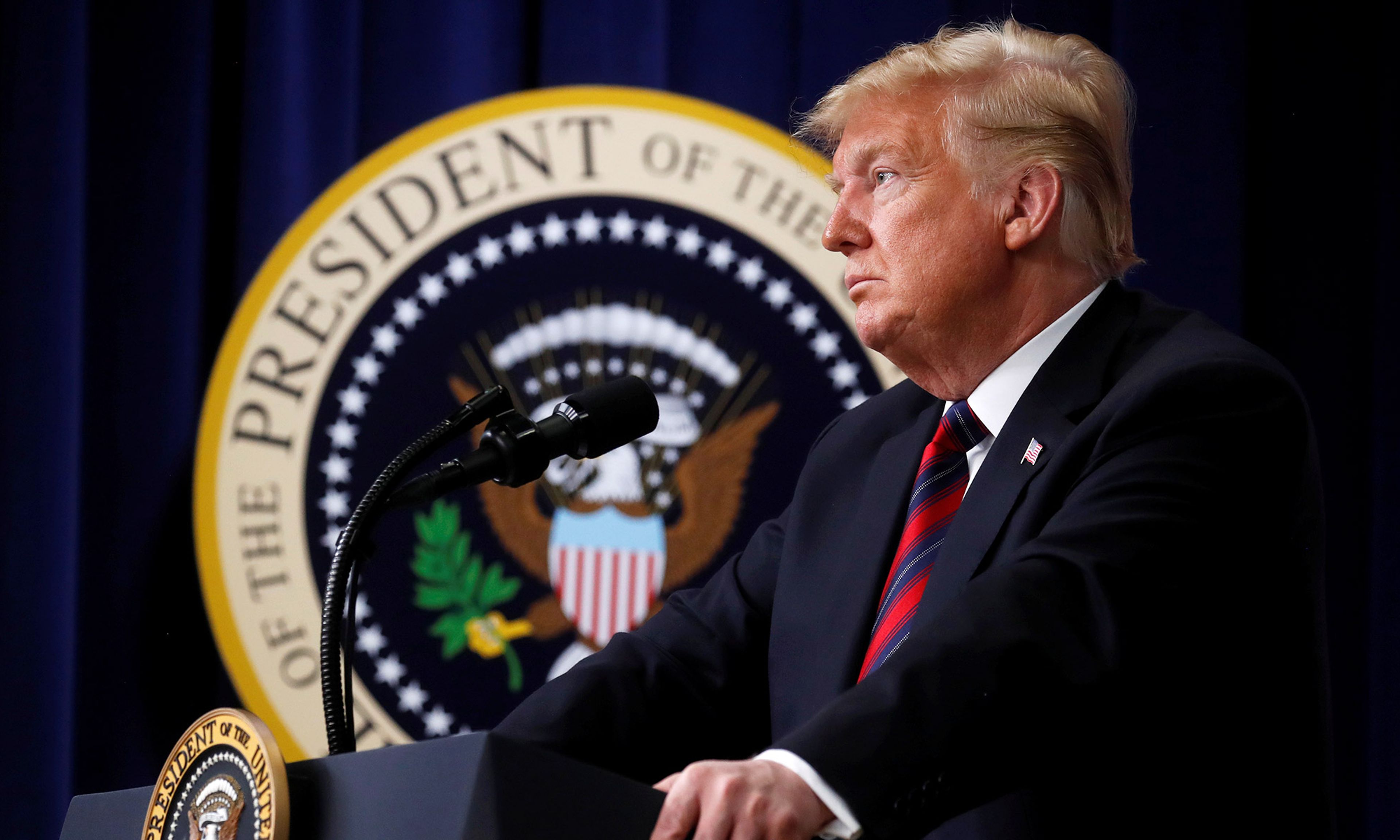
The Supreme Court’s term ended with a split decision. The Trump v. United States appeal arose from special counsel Jack Smith’s federal criminal prosecution of Donald Trump in D.C. over Trump’s effort to overturn the 2020 election. The case, perhaps predictably, yielded a disunified majority, an ideological split on the Court, a multipart test that is unfinished and challenging to summarize, and a result that will require further litigation. Parts of this opinion are deeply disappointing — but at every turn, they also reflect the Court’s attempt to grapple with a prosecutor abusing the legal system to charge “crimes” never created by Congress in the first place.
While the Court’s approach to presidential immunity was thorough, careful, and respectful of precedent, it left too many unanswered questions and extended a long line of case law with at best a tenuous tie to the constitutional text and excessive reliance on functional balancing — which is the opposite direction from where the Court should be headed.




Comments