There are many lessons to be drawn from Donald Trump’s conviction by a New York jury last week. One of them is the growing ability of state and local officials to misuse the legal system to interfere with the functions and responsibilities of the federal government. In Trump’s case, under the guise of the state’s police power to enforce criminal law, New York is interfering with the effectiveness of the presidency and the conduct of federal elections. Manhattan district attorney Alvin Bragg surely knows that his criminal charges, gossamer-thin though they are, will strike a blow against Trump’s political fortunes while appeals courts will take months, if not years, to correct the errors.
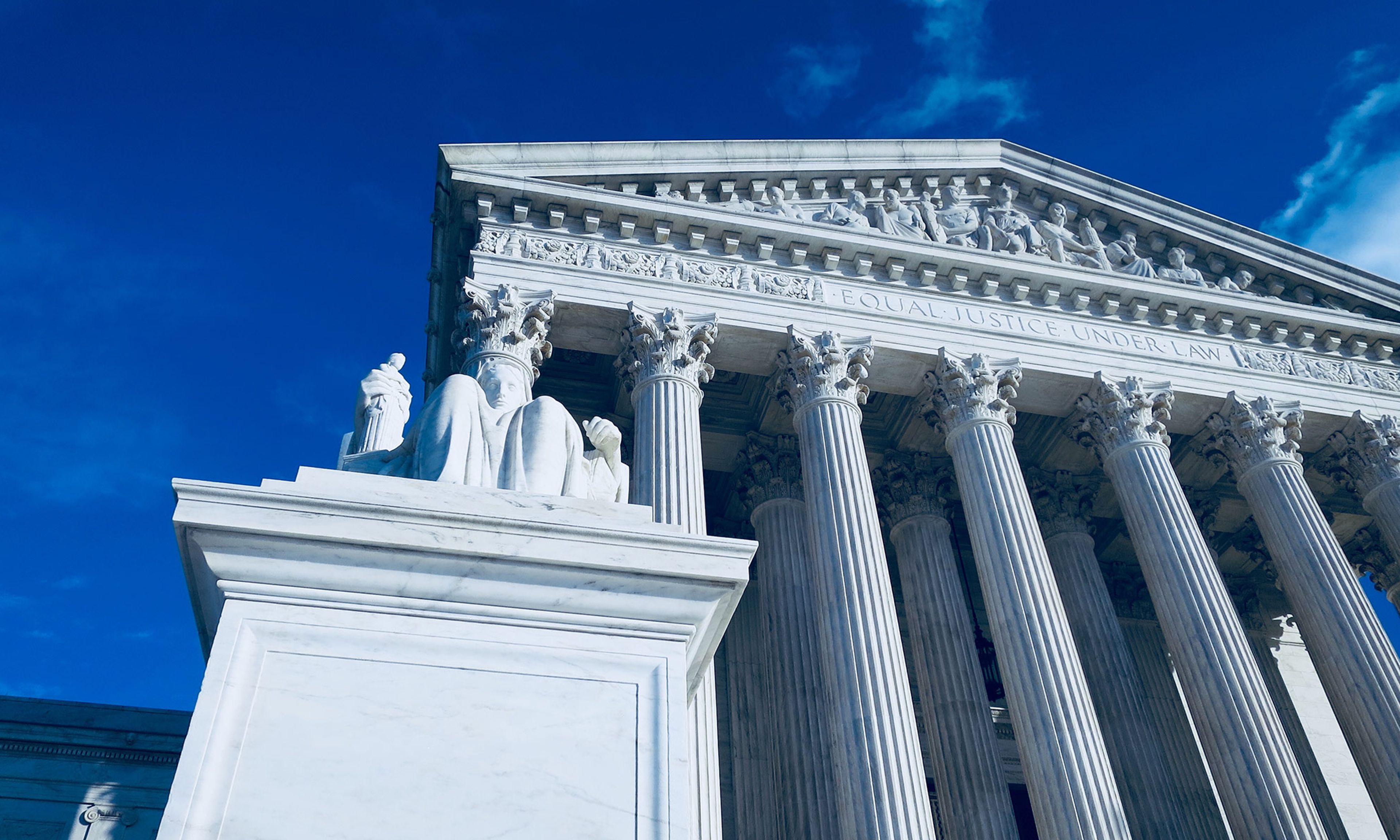
A broader example of this progressive abuse of federalism, perhaps just as harmful to the national interest, comes to the Supreme Court this week. The case, Sunoco v. City and County of Honolulu, involves not alleged misconduct by a presidential candidate but a problem of broader long-term significance: climate change. Honolulu and dozens of other progressive cities claim the right to sue industry for the harms that climate change brings about. The defendants have appealed for review to the Supreme Court, which will decide on June 6 whether to hear the case. Even if it cannot intervene immediately to correct the errors of the Trump trial, the Supreme Court can begin the work of stopping cities and states from misusing their legal systems as political weapons.





Comments