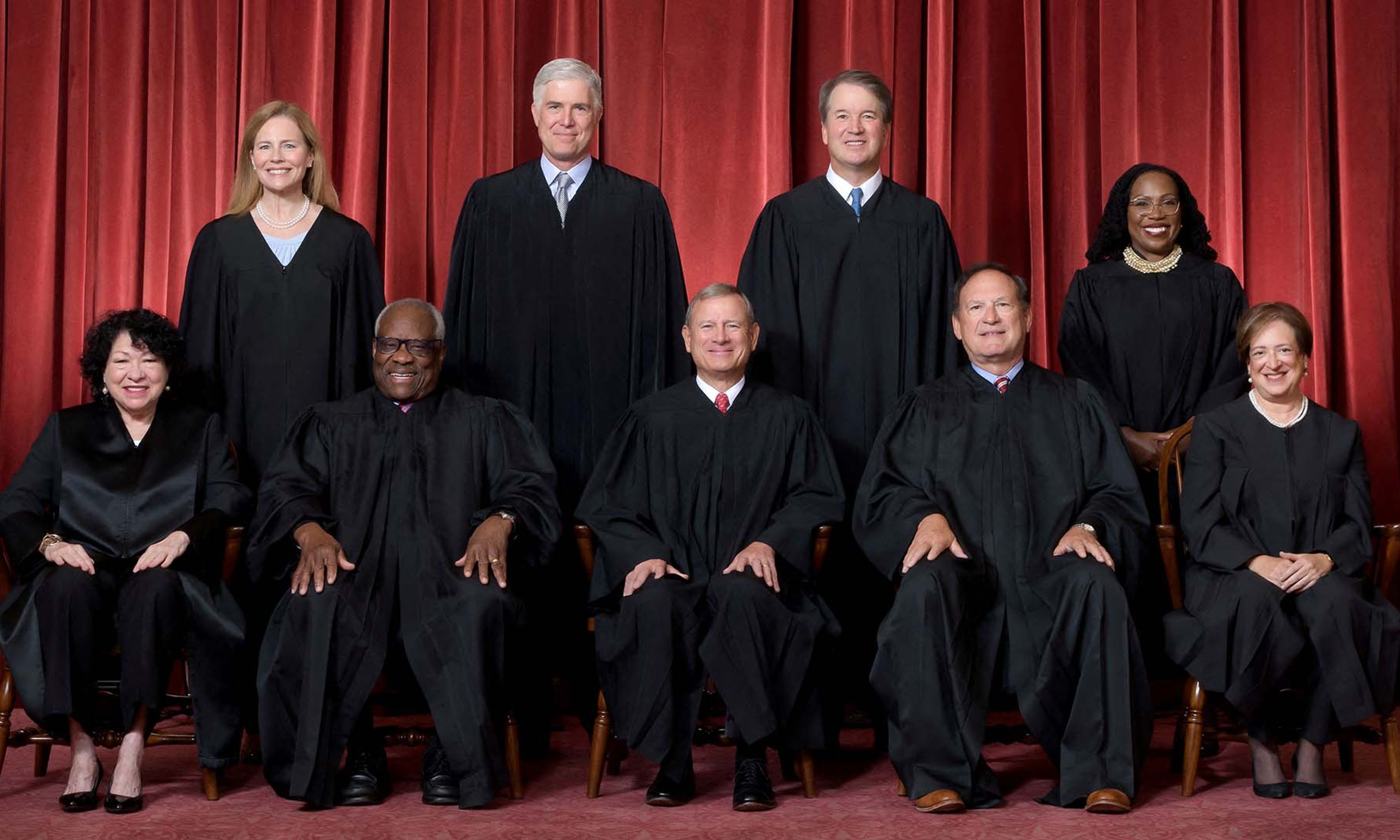
‘Samuel Alito’s Assault on Wetlands Is So Indefensible That He Lost Brett Kavanaugh” reads one headline about a recent Supreme Court decision. A casual reader might come away with the impression that the Court had just issued a deeply divided ruling. But, in fact, the Court had unanimously sided with the petitioners; the justices had disagreed about the proper standard at issue in the case, but unanimously agreed that the government’s actions were wrong.
The media love to play up dissent at the Court, especially if it can be depicted as stemming from a partisan or right–left ideological divide. As a longtime SCOTUS watcher, I’m a fan of dissenting opinions. I enjoy the drama, the disagreements, the sometimes not-so-subtle digs, and the foreshadowing of future litigation. But even I — the co-host of a podcast dedicated to celebrating dissents — have to admit that the Supreme Court is not as divided as many in the media would have you think.



Comments