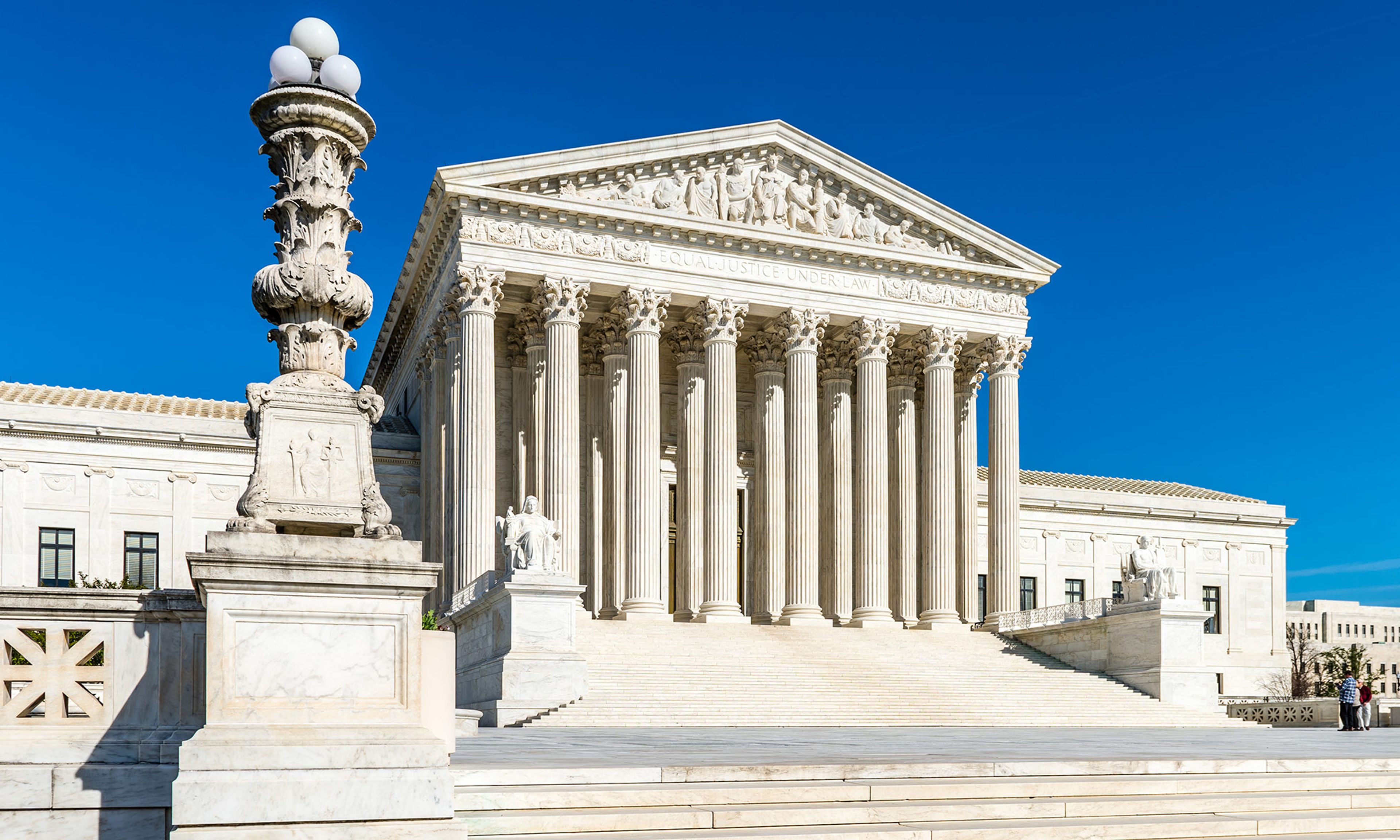
In the era of stewardship by Chief Justice John Roberts, the Supreme Court has fretted more about the public perception of the Court as a non-partisan institution than about doing what is most necessary to shore up its reputation: Do its job. Decide the tough questions in accordance with what the law requires, and stop worrying so much about what it looks like.
The justices have no way of controlling how their work is perceived. The federal courts are insulated from politics by design, because the right answer is frequently not the popular answer. Indeed, as our Michael Brendan Dougherty deftly explained this week, to the extent the Roberts project of making a reputedly conservative-leaning Court seem benign to Democrats was intended to stave off such ruin as court-packing, it has succeeded only in “inviting the very escalation it was calculated to avoid.” Moreover, as Judge Amy Coney Barrett pointed out in her confirmation hearing testimony, the judicial modesty preferred by conservative jurists is not in the service of conservative policy preferences; it serves the people’s freedom to live as they choose. It would allow for many democratically enacted outcomes that would rankle conservatives — they just need to be enacted by Congress, not imposed by judicial fiat.



Comments