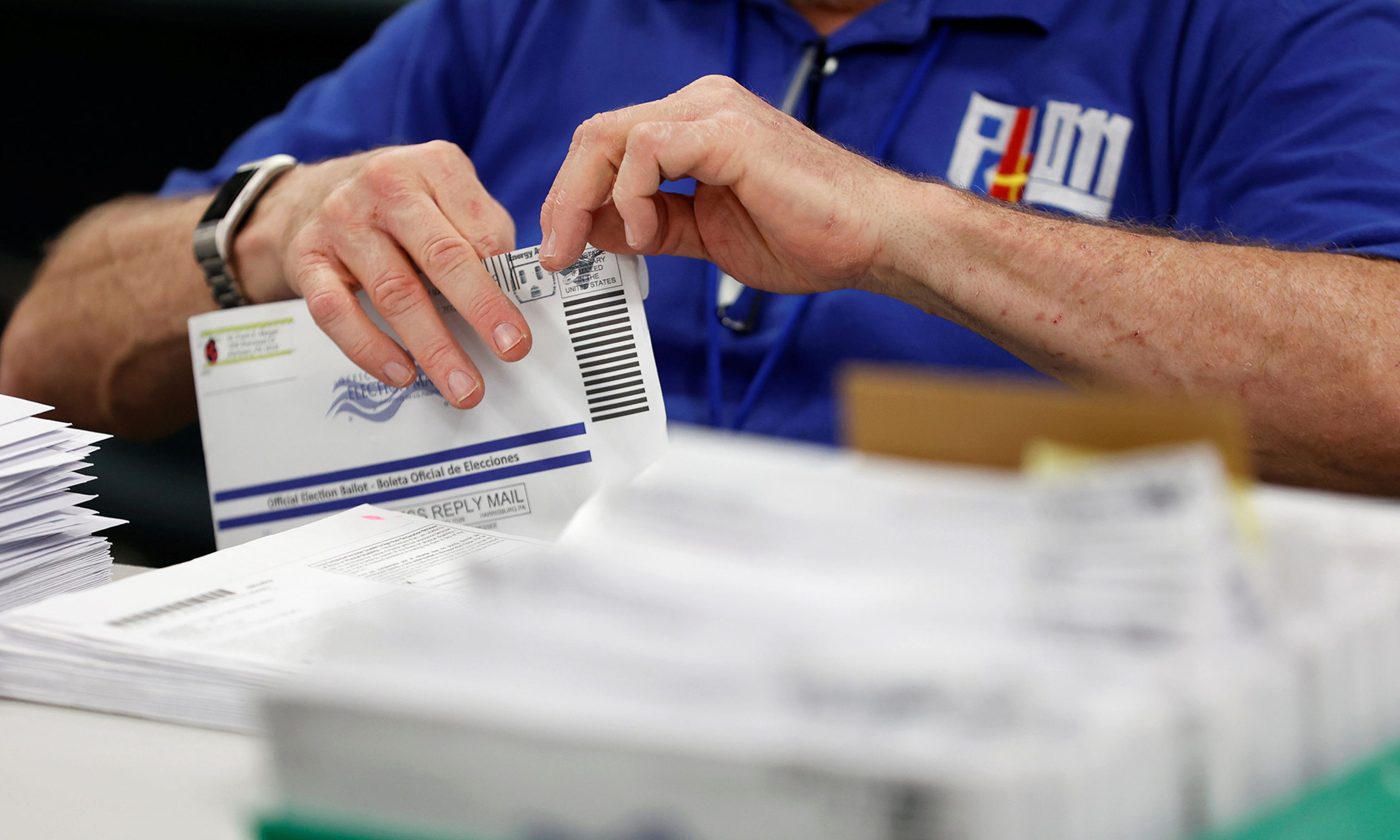
This month, the Supreme Court will review Watson v. Republican National Committee, a case that may quietly but profoundly reshape how elections are administered across the country. At issue is whether 100-year-old (and older) federal statutes can now be read to override numerous recent states’ laws that allow mail ballots postmarked by Election Day to be received and counted shortly afterward. In 2024, the Fifth Circuit ruled that federal law preempts Mississippi’s ballot-receipt deadline and sharply curtails state discretion. The Court should reverse that ruling.
For most of the nation’s history, election administration has been a core responsibility of the states. The Constitution reflects that design, granting states primary authority over the “Times, Places and Manner” of elections, subject to limited federal guardrails. States have used that flexibility to tailor election rules to local geography, population density, and voter needs, particularly in large, rural, or military-heavy states. The decision departs from that settled understanding by casting off the traditional conservative tenant of federalism that states are better at making decisions about themselves than the federal government is.




Comments