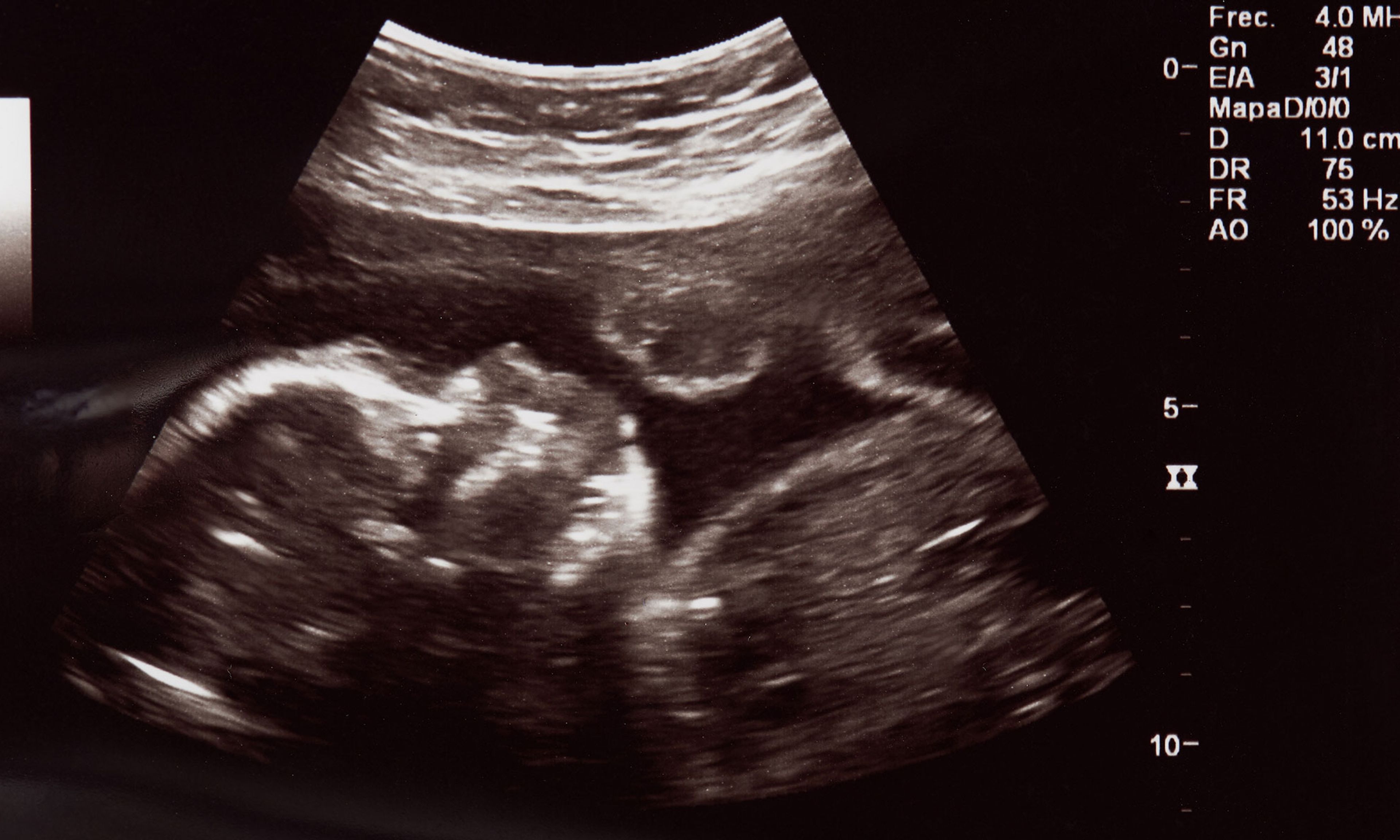
The unthinkable has happened: an unprecedented leak from the depths of the Supreme Court. The public reaction has been fierce and unbridled over Justice Samuel Alito’s opinion, especially on the pro-abortion left. But the reality is that if Roe falls, the sky will remain safely overhead. What will happen is that, from state to state, citizens and their elected officials, participating in the democratic process, will be allowed to pass laws that make sense to them. No longer inhibited by a decades-old decision from seven Supreme Court justices, our nation’s political bodies will be able to write and enact laws that reflect modern science and current American sensibilities about unborn children.
So much has changed since 1973, when pro-abortion arguments focused on the inability to pin down exactly when life begins and when abortion defenders confidently held that fetuses in the later stages of gestation could not feel the pain of dismemberment. As explained in a friend-of-the-court brief I submitted alongside two other female physicians, scientific advancements since Roe have put an end to uncertainties about such questions.





Comments