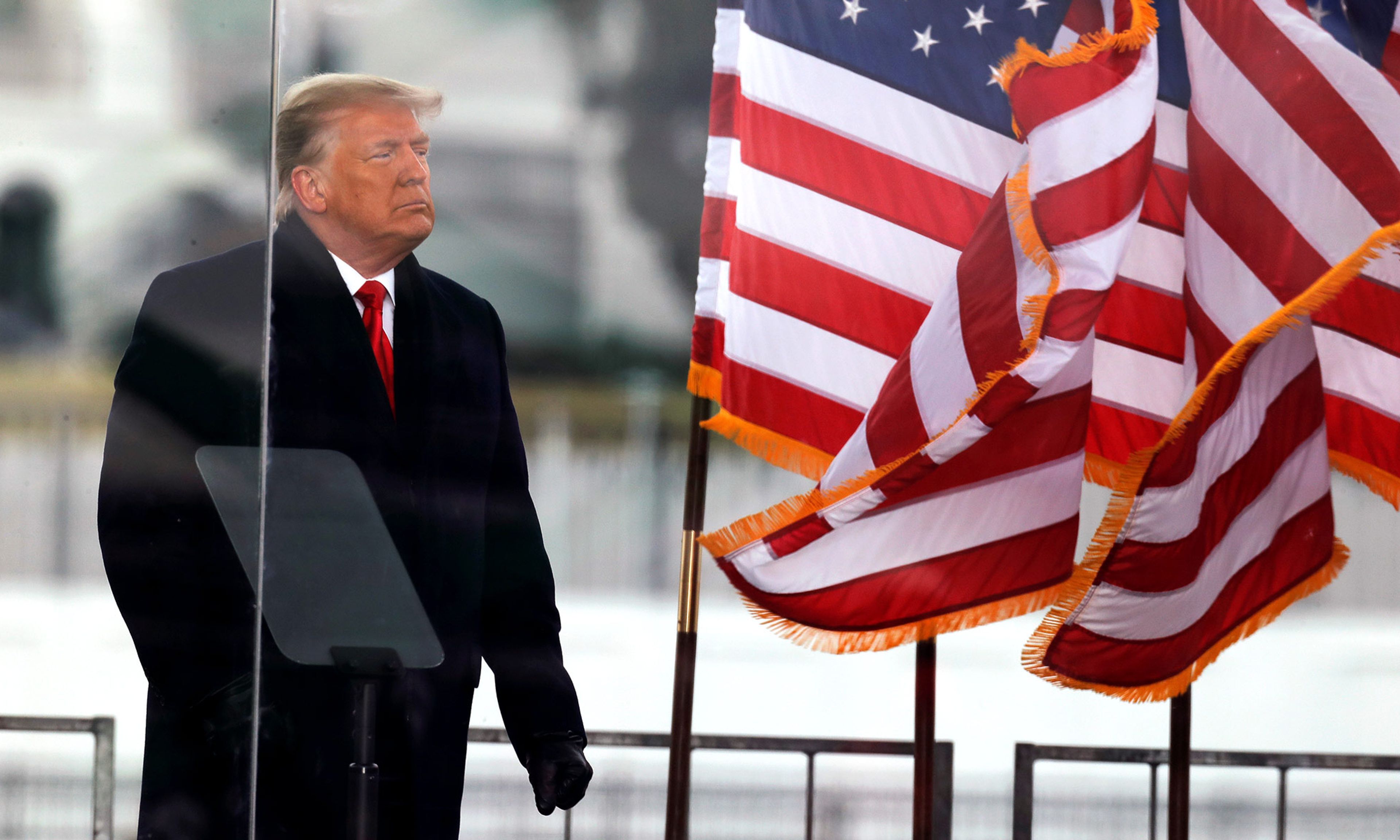
Former president Donald Trump is adrift in a sea of legal jeopardy, which he will have to navigate through the Republican presidential-nomination campaign — tugging the GOP and the country along for the ride.
As Rich Lowry and I discussed on our podcast this week, the debates kick off in August, precisely when Fulton County district attorney Fani Willis has asked the court to clear its decks in preparation for likely indictments against Trump and others in connection with Georgia’s 2020 presidential election. On October 3, Trump and his adult children face the start of a major civil-fraud trial brought by New York attorney general Letitia James. Meantime, a state judge in Manhattan has set March 25, 2024, as the commencement date for Trump’s criminal trial on charges brought by District Attorney Alvin Bragg that he falsified business records to conceal hush-money payments to a porn star. That’s in the middle of the primaries — just two weeks after Super Tuesday, in fact. And as this is written, reports suggest that, any day now, the Biden Justice Department’s special counsel, Jack Smith, could indict Trump for obstructing the grand jury’s investigation of his retention of classified documents at Mar-a-Lago.





Comments