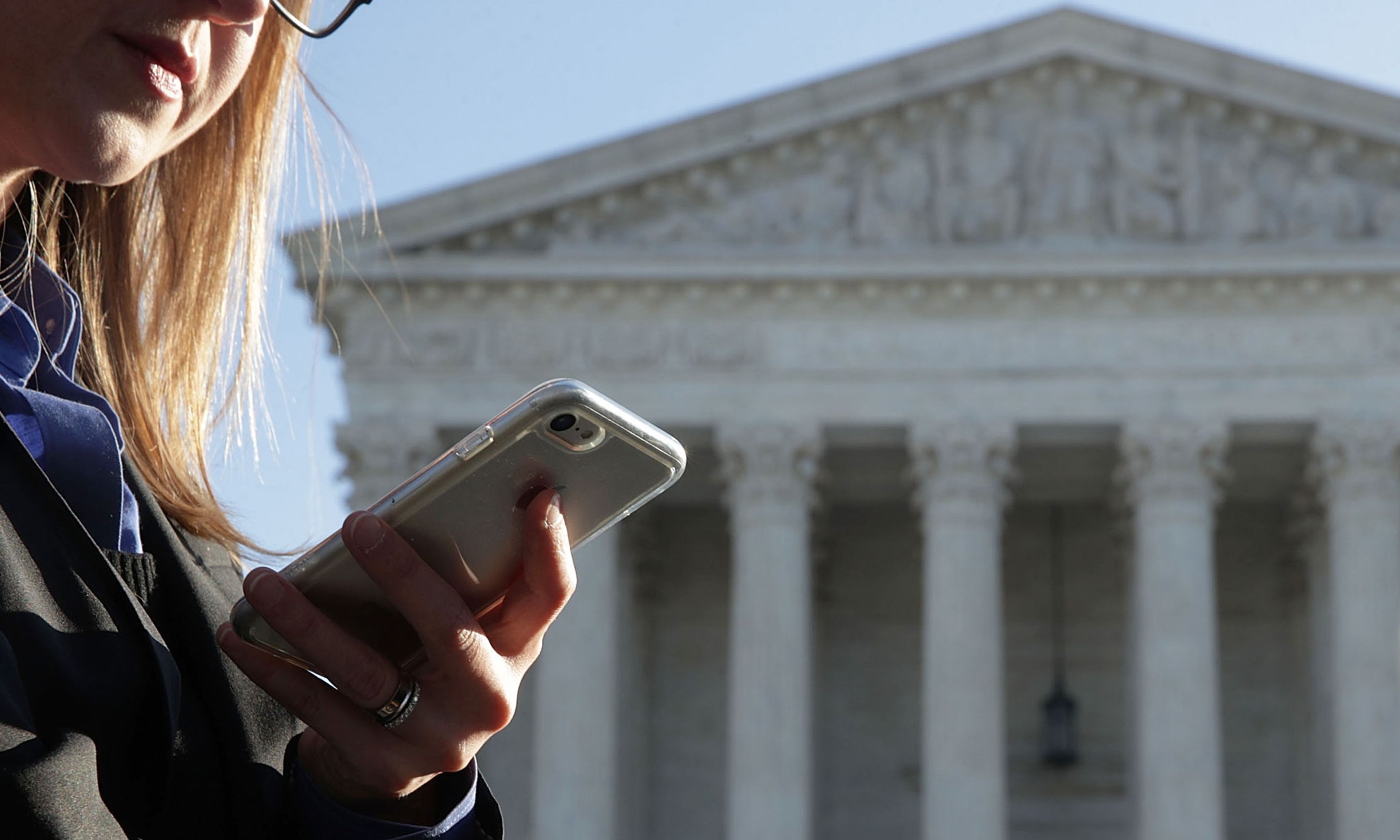
Government agents should be forbidden from intruding into a sphere of privacy, provided that (a) the person into whose life they seek to pry has tried to preserve as private whatever it is the agents want to examine, and — here’s the important part — (b) the person’s “expectation of privacy is one that society is prepared to recognize as reasonable” (emphasis added).
As a matter of policy, I doubt I could agree more with Justice Elena Kagan, who wrote those words for a sharply divided Supreme Court this week in Chatrie v. United States. Yet, if the ambit of our privacy from government snooping is to be set by what society is prepared to recognize, then I’d humbly propose that we ask, well, society, rather than Justice Kagan.




Comments