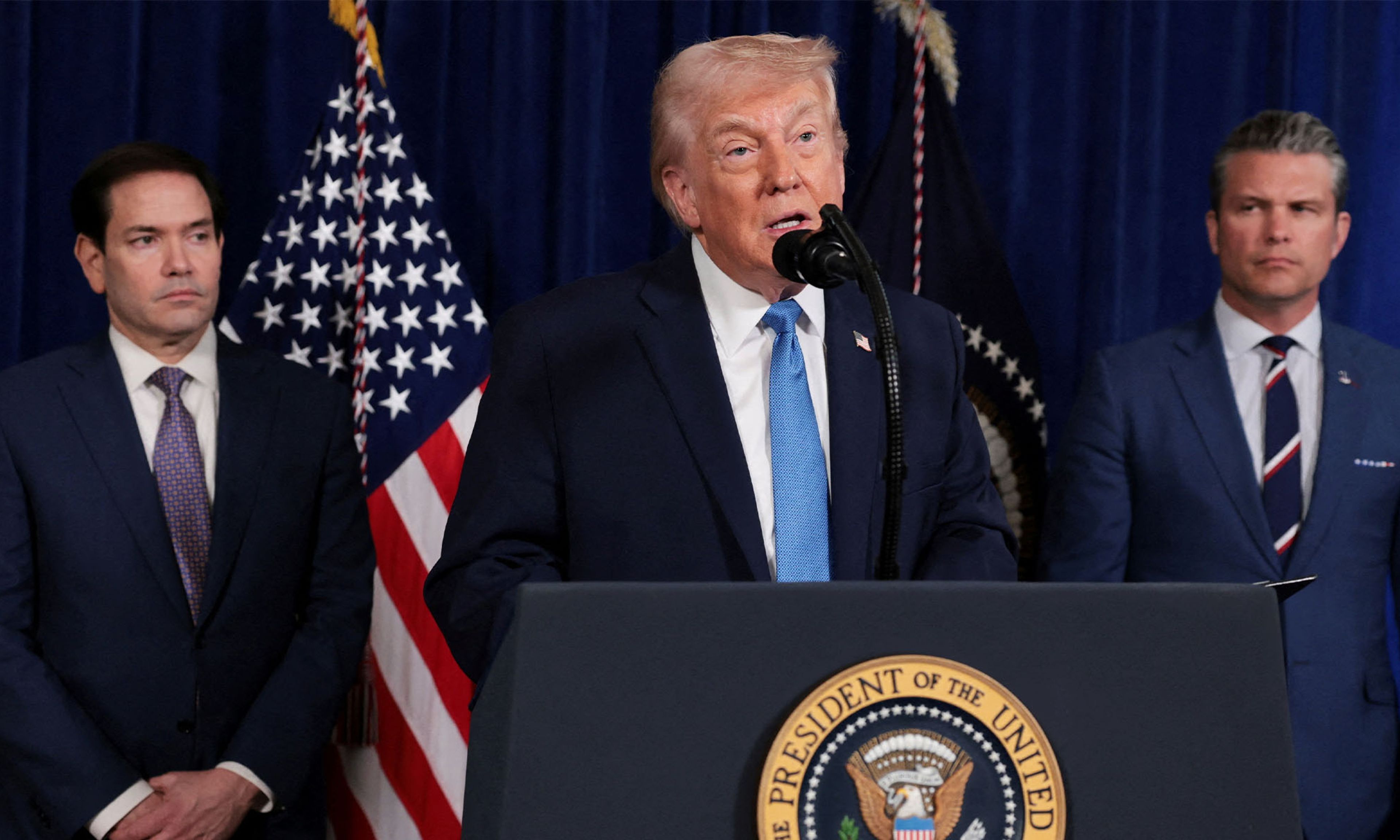
The president unilaterally launches a lightning-fast assault to overthrow a foreign dictator who harms Americans, oppresses his own people, and continues to threaten our national security. Critics accuse the president of violating the Constitution’s grant of power to Congress to declare war.
That may describe President Donald Trump’s order to execute the astounding snatch-and-grab of Nicolás Maduro, the leader of Venezuela. But it also describes President Barack Obama’s 2011 campaign to bring down the Libyan regime of Moammar Qaddafi. Or President Bill Clinton’s 2000 air war against Serbia, which stopped its invasion of Kosovo and led to the overthrow and trial of Slobodan Milošević. Or, in the example most similar to today’s, President George H. W. Bush’s 1989 decision to invade Panama, arrest its military leader Manuel Noriega, and try him for drug-trafficking.

Comments