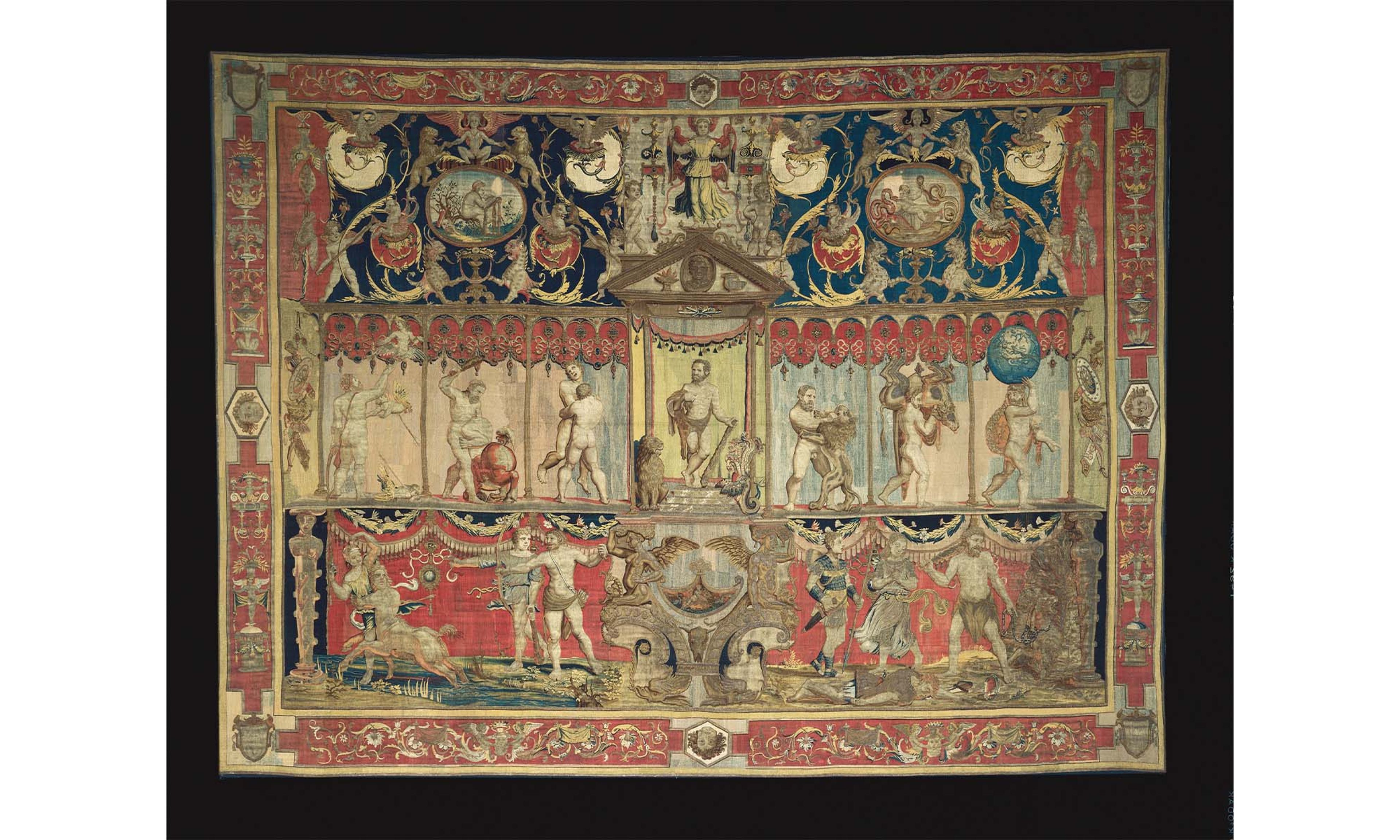
On Thursday I wrote the first part of my story on The Tudors: Art and Majesty in Renaissance England, which opened last month at the Met and will later travel to the Cleveland Museum of Art and the Legion of Honor in San Francisco. The exhibition and book look at how the Tudor kings and queens used art to enhance their legitimacy as a ruling family.
This was a foundational challenge since Henry VII, once Henry Tudor, might have won the crown militarily but, in bloodlines, had only a remote claim. An ostentatious Tudor style with pushy iconography emerged. Once entrenched, the Tudors combined this flashy brand of marketing-through-art with contemporary Netherlandish and Italian styles and a humanist impulse. Art, religion, and politics stewed in the same pot in crisis after crisis, especially in the reigns of Henry VIII and his two daughters, Mary I and Elizabeth I.





Comments