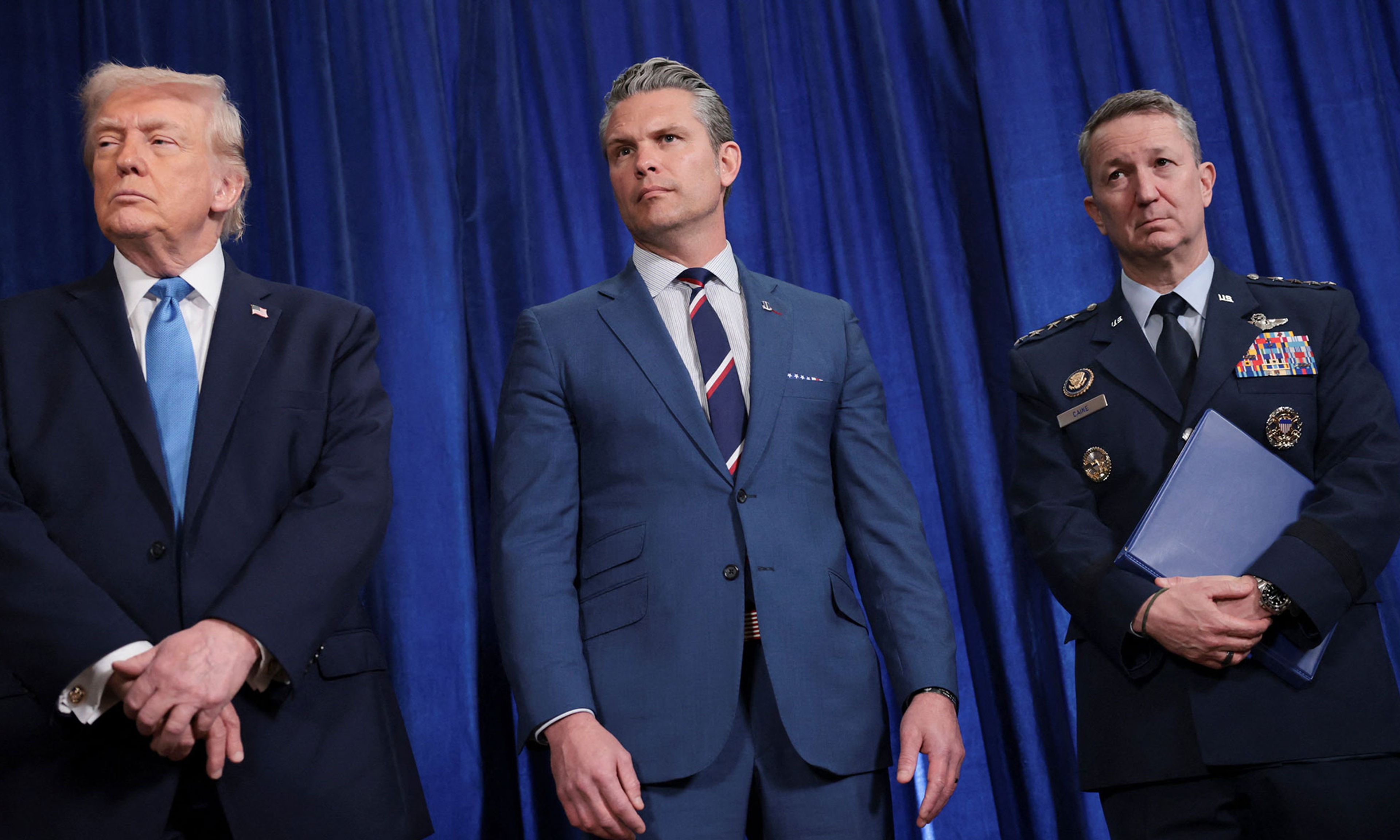
The capture of Nicolás Maduro and his wife was a highly successful operation in which all branches of the U.S. military participated. Compared to a major conflict, however, its scale was small. Similar precision would be demanded in a European, Middle Eastern, or Indo-Pacific conflict — or more likely, some combination of them. Today’s U.S. military structure — in which operations in those three regions are commanded by different U.S. senior officers and staffs — would find it difficult to replicate the unity that was an important key to the success of Operation Absolute Resolve.
Soon, the Trump Pentagon is set to announce a major structural overhaul in the way the U.S. commands its forces abroad. Most will fixate on troop numbers in Europe, the Middle East, and Asia. While these matter, they are fundamentally secondary considerations: This Pentagon is capable of making the bold choices that are needed to prepare the U.S. military for large-scale conventional combat. The Defense Department should follow this move with a concerted organizational effort to streamline command-and-control systems and accelerate realistic training and Eurasian-wide wargaming.




Comments