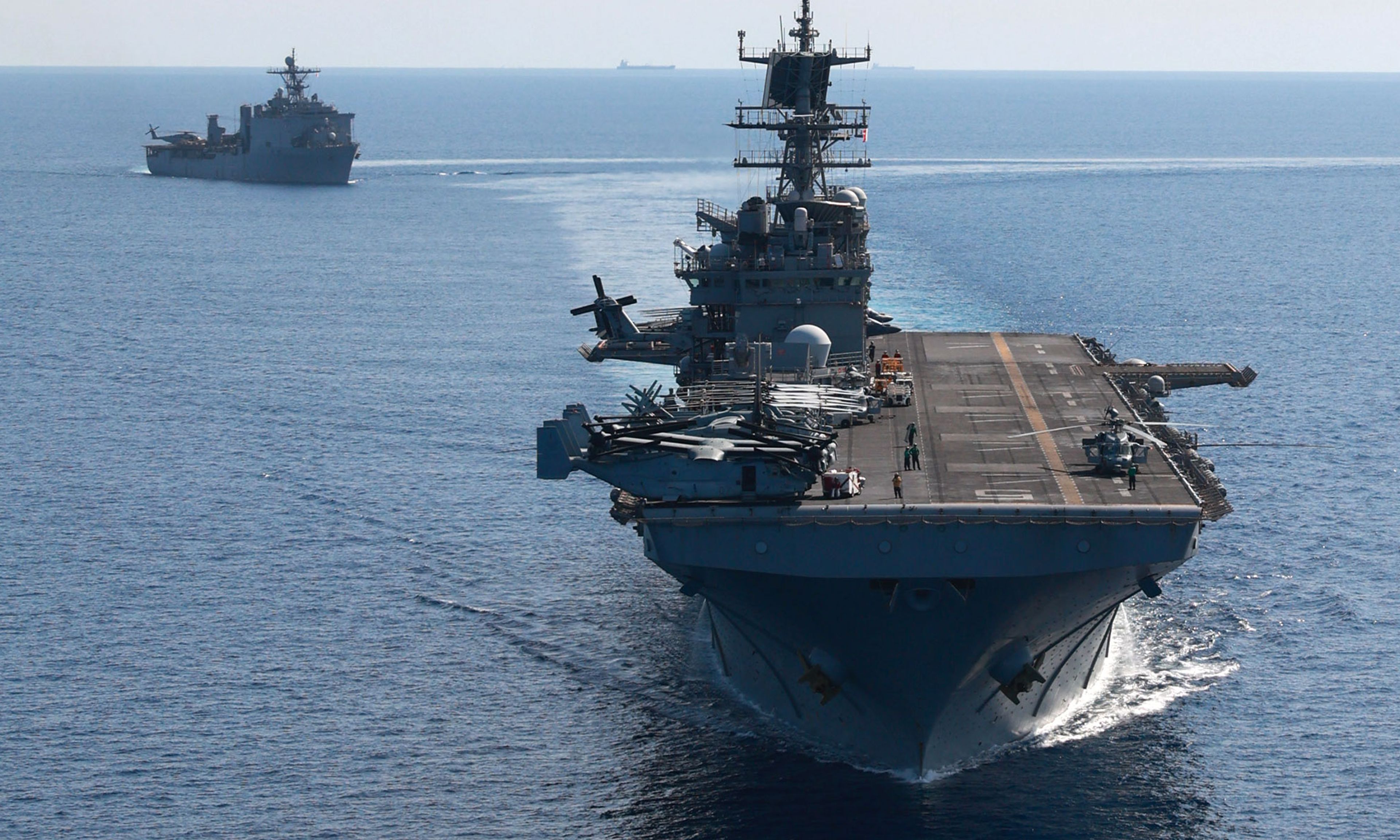
Deterrence doesn’t restore itself. It breaks down when an adversary determines that the costs of its behaviors are outweighed by the potential rewards. Iran and its proxy forces have paid almost no price for their attacks on the U.S. and the international order America maintains. They are undeterred.
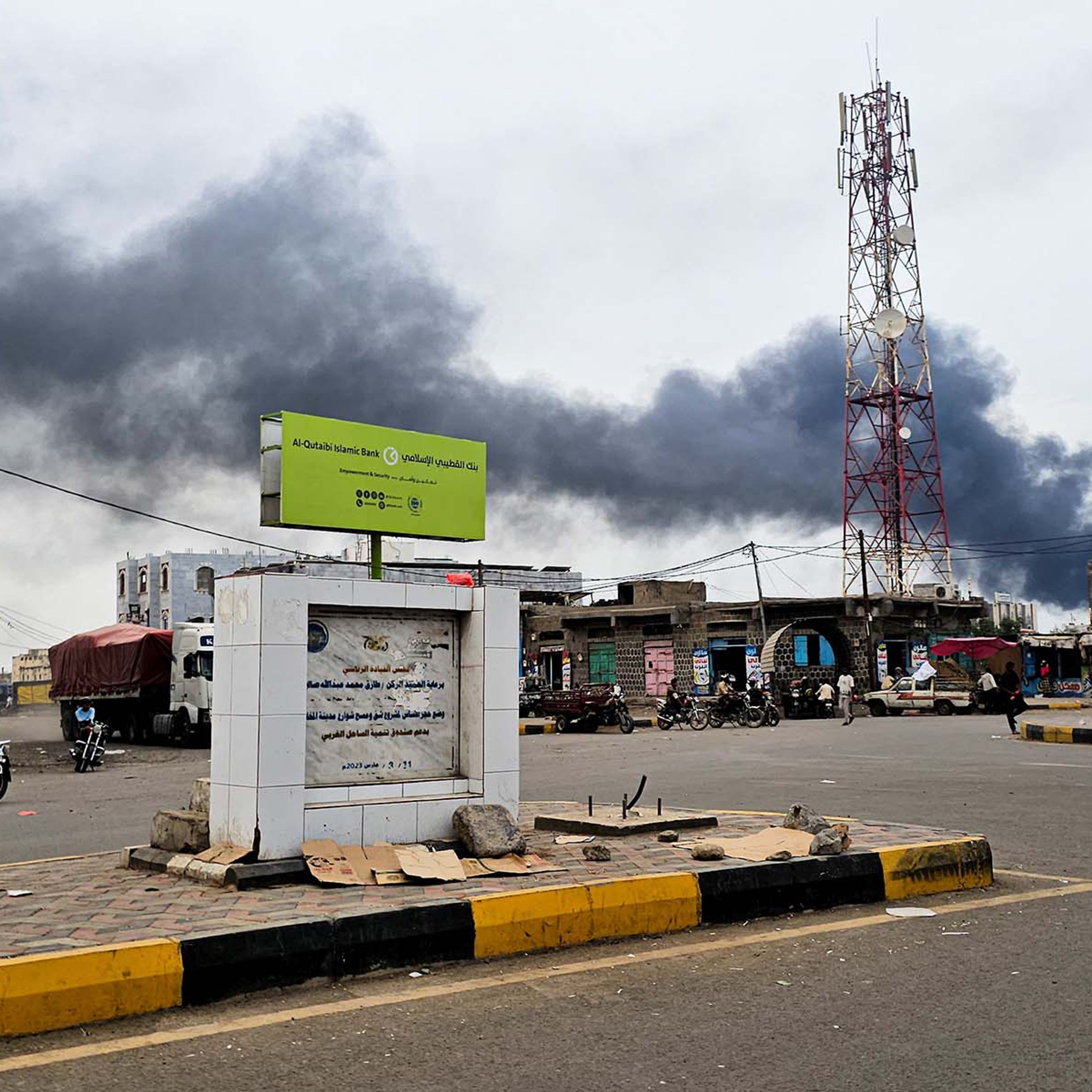
Iran and its pawns in the Middle East are responsible for nearly 100 attacks on U.S. forces in Iraq and Syria since the 10/7 massacre. Tehran’s puppets controlling Yemen have launched dozens of drones and rockets at ships passing through the vital Bab al-Mandab Strait. The costs of this campaign have, so far, been absorbable. The Biden administration retaliated against Iran’s puppets only thrice, mostly targeting lightly manned facilities adjacent to the Iranian Revolutionary Guards Corps around the region. By contrast, Iran’s campaign has produced outsize rewards — the most recent of which is to significantly disrupt global maritime trade.

Comments