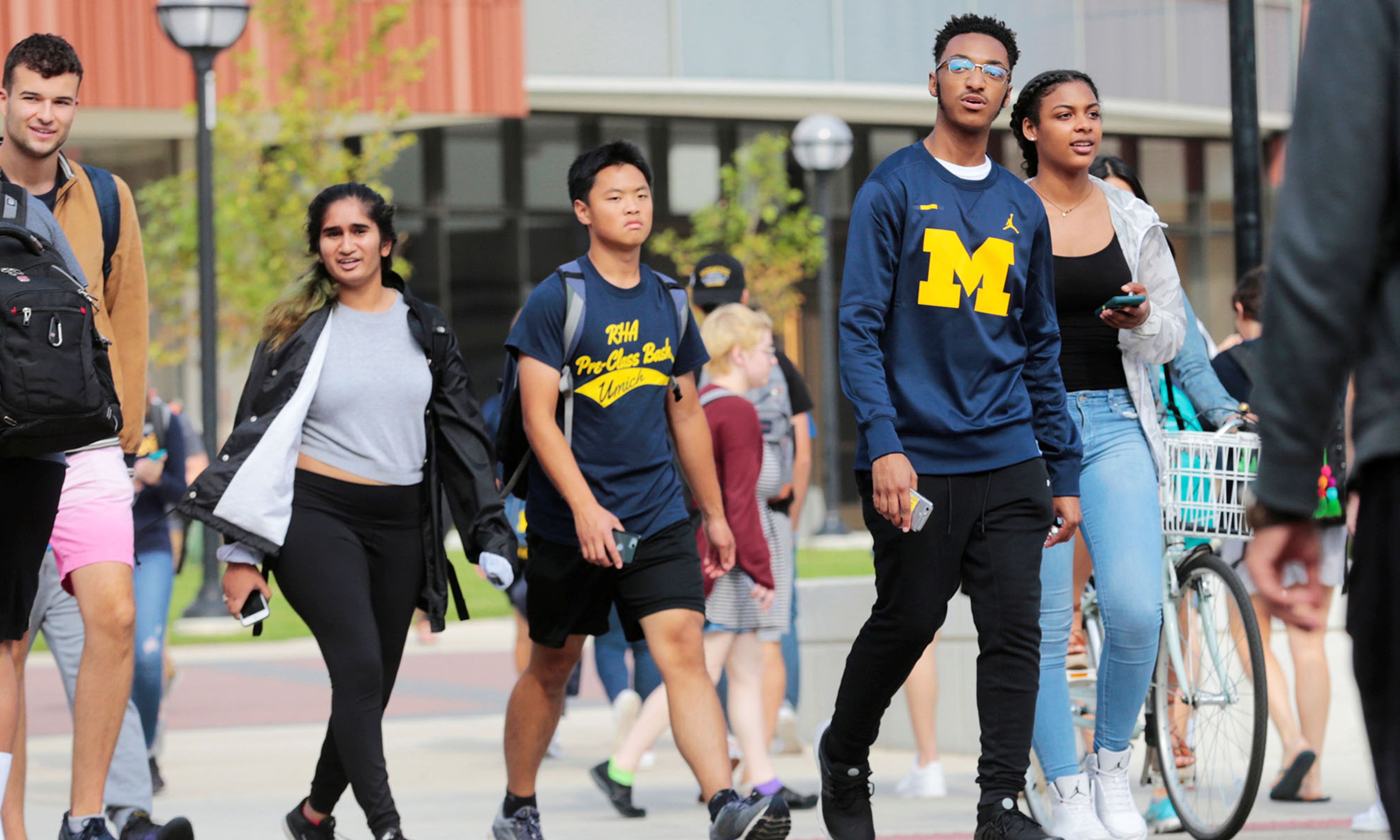
Locals living in the southeastern part of the Lower Peninsula have nicknamed the University of Michigan the “People’s Republic of Ann Arbor.” In the fall of 2021, that moniker gained a bit of legitimacy when students attempted to cancel Bright Sheng, a professor of musical composition, who showed his class Laurence Olivier’s 1965 film adaptation of Othello, in which the actor donned blackface. Though the university fully reinstated Sheng after an investigation, his ordeal was reminiscent of those of professors during the Cultural Revolution — which Sheng lived through in Maoist China — who faced denunciation and intimidation from their students for contradicting the regime.
The saga involving Sheng is far from an isolated incident, but rather part of a larger problem of cancel culture within the university, where students attempt to make the administration punish faculty members by forming cancellation mobs. Although the university usually does not fire professors after the formation of a mob, students are being incentivized to use unprofessional methods to air their grievances, several faculty members at the school told National Review.




Comments