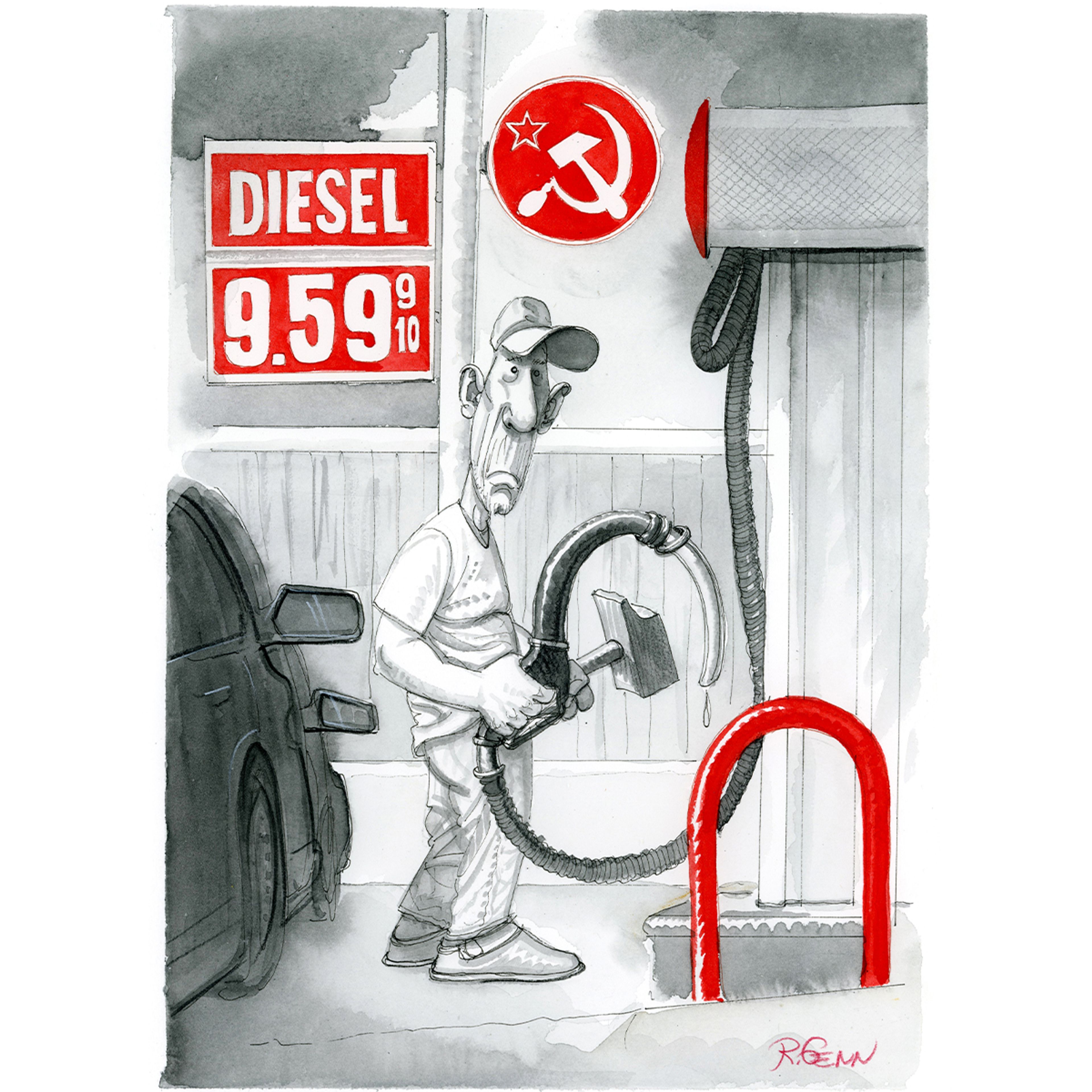
• If we are now taking the war on drugs literally, we wonder what happens next in the war on poverty.
• The Washington Post published a blockbuster report over Thanksgiving weekend headlined, “Hegseth order on first Caribbean boat strike, officials say: Kill them all.” The story concerned the first of a series of U.S. military strikes against suspected drug-smuggling boats in the Caribbean off the coast of Venezuela—strikes that have now killed more than 80 people. The story, in effect, accused Defense Secretary Pete Hegseth of giving a “no quarter” order that would be unlawful under U.S. law, the Uniform Code of Military Justice, and international treaty. It also accused the operation’s military and civilian leadership of subsequently ordering an illegal “double tap” strike on the two survivors, who at the time were out of combat, posed no imminent threat, and were entitled to humane treatment. But additional reporting from the New York Times, Hegseth’s public comments, and a close reading of the initial Washington Post report itself cast serious doubt on this damning narrative. It’s still possible that Hegseth or his uniformed subordinates gave an unlawful order, and that’s why the House and Senate Armed Services Committees should be commended for having quickly announced that they will conduct investigations into the strikes. But Congress should also take up larger concerns over the wisdom, the legality, and the constitutional probity of President Trump’s military campaign in the Caribbean in the first place. This incident occurred because the administration is insisting on making an overused metaphor—the “war” on drugs—into a reality without due cause.


Comments